
Last updated November 23, 2026
 Sweep & inspection
 Caps & crowns
 Flue relining
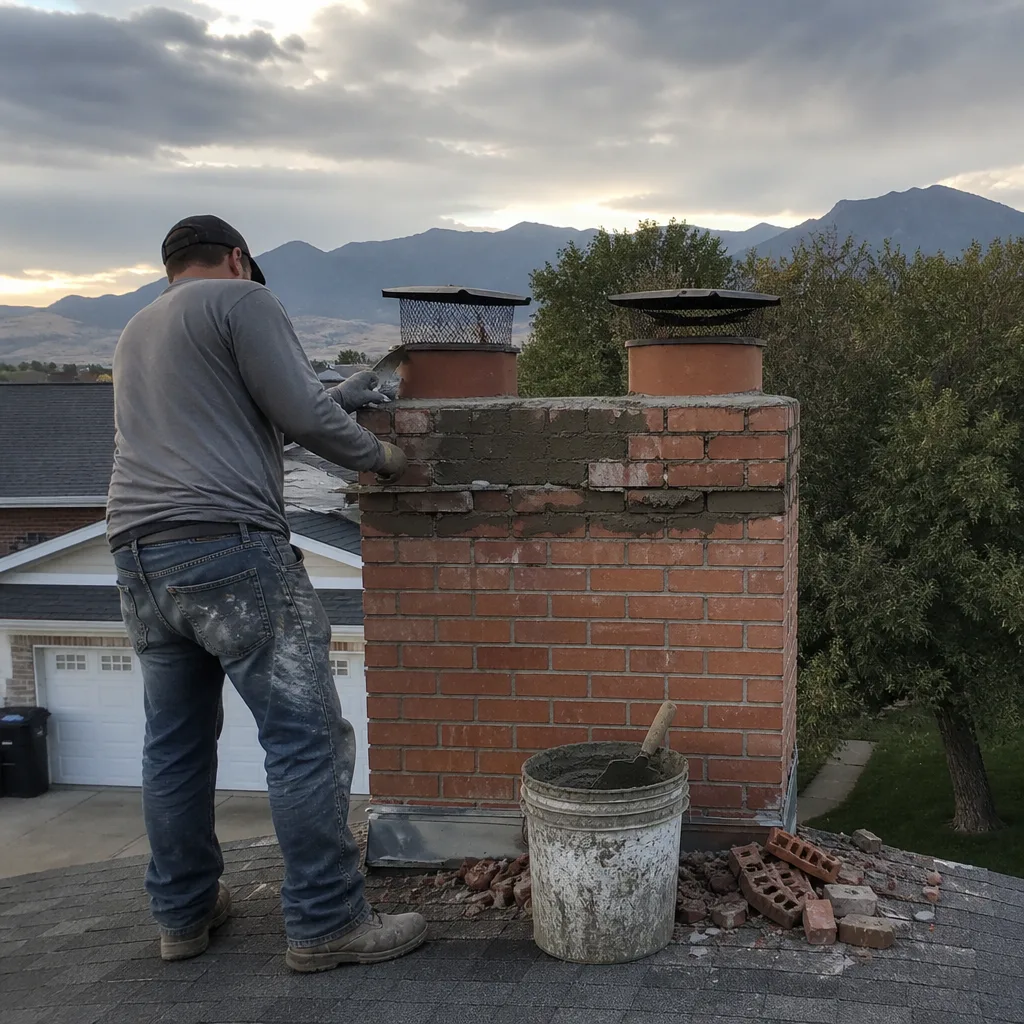
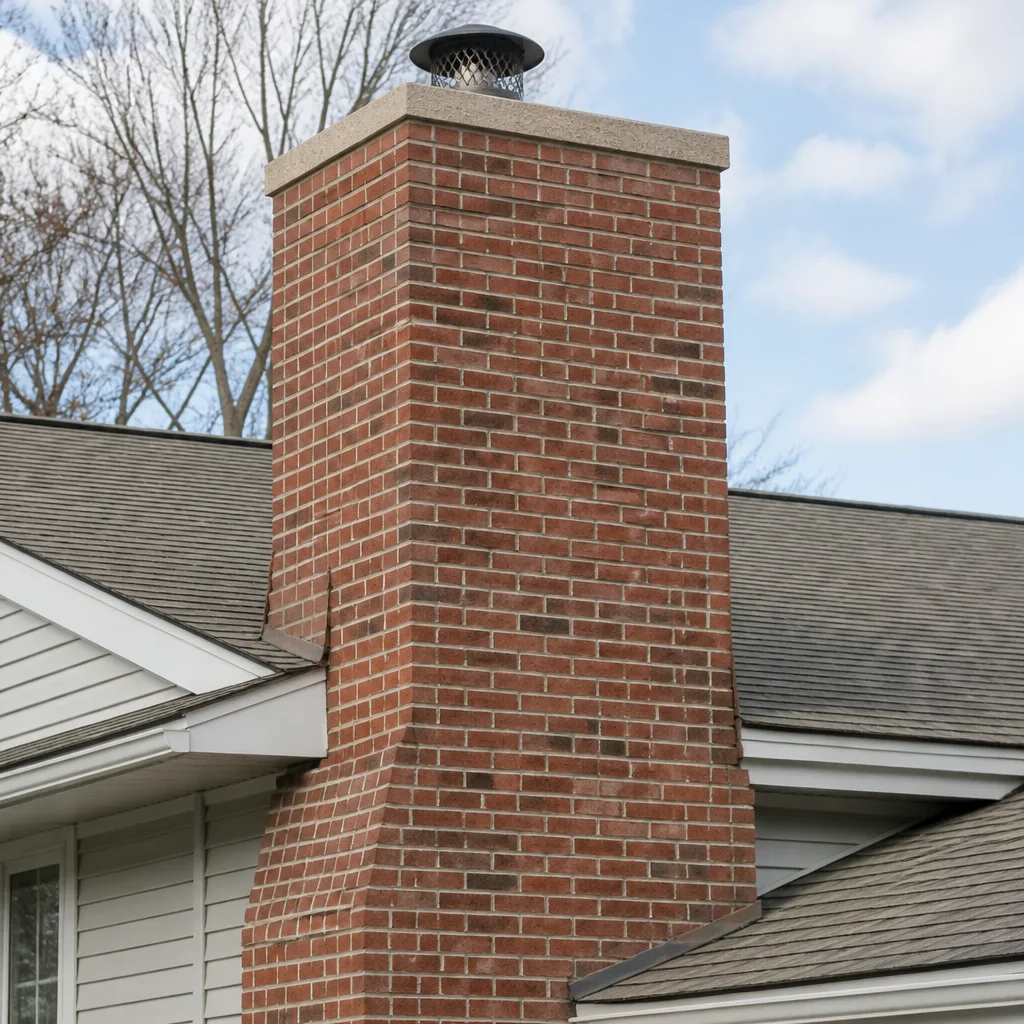 Masonry repair
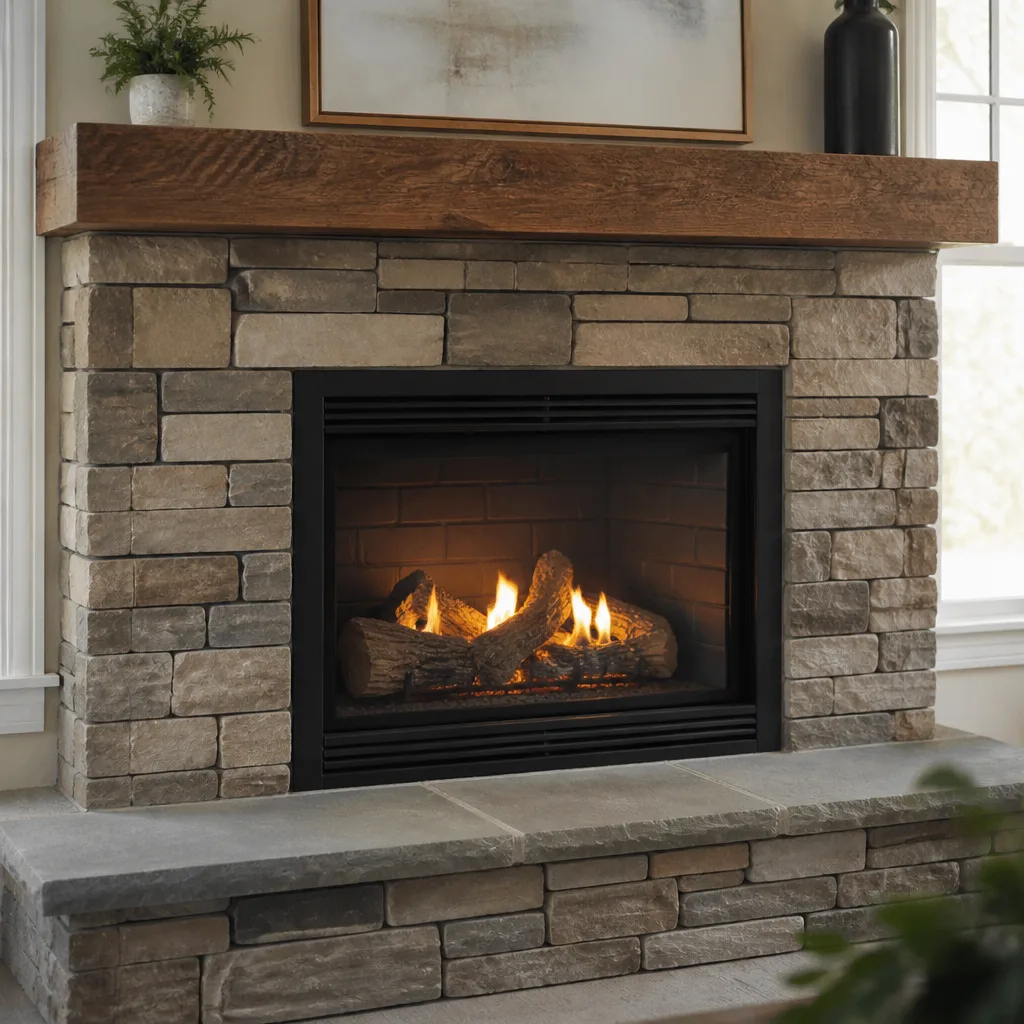 Gas fireplace service
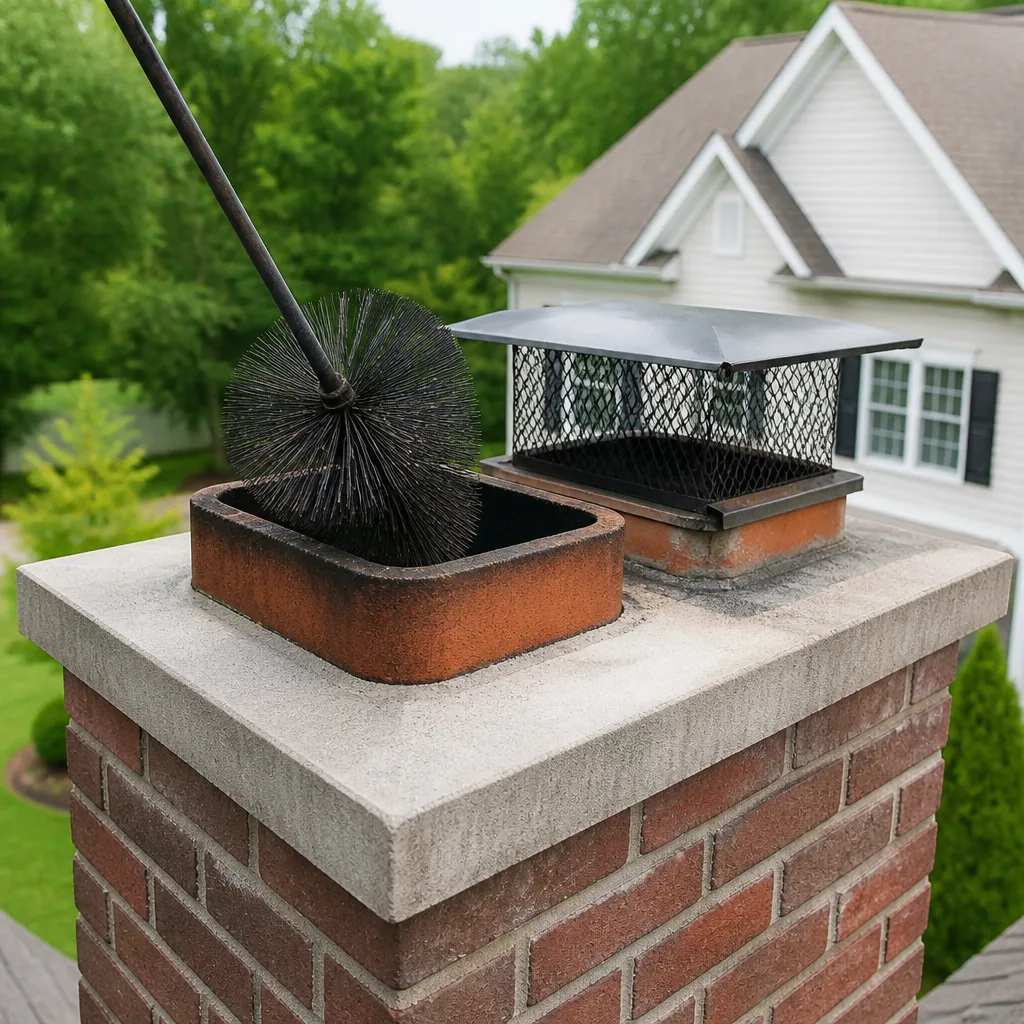
Level 1 sweep and inspection to the NFPA 211 annual standard - flue, crown, cap, and flashing checked and photographed
Chimney sweep logs do not sweep chimneys. They loosen some creosote - which then falls where a brush and vacuum still have to collect it.
How to Hire a Chimney Cleaning Contractor in Tooele: A Step-by-Step Guide
Most homeowners assume a chimney sweep is a chimney sweep. In a thin market like Tooele, that assumption costs people money and, worse, leaves creosote sitting in flues for seasons longer than it should. When a metro area has hundreds of chimney specialists, the weak ones get filtered out by competition. When a county has only a handful, the generalist handyman with a shop vac and a ladder steps into the gap and advertises “chimney cleaning” alongside drywall and gutter work. That’s the real hiring problem here, and it’s the one this guide solves. You’ll learn the three credential questions to ask before anyone sets foot on your roof, how to tell a specialist from a side-service operation, how to read a legitimate estimate, and how to verify the work once it’s done.
Quick Answer
To hire a chimney cleaning contractor in Tooele, verify three things before booking: a CSIA certification number the technician can give you on the spot, proof of liability insurance, and whether the company brings a camera for flue inspection. Then confirm they do chimney work as their primary trade, ask for a written estimate with scope included, and request documented results after the sweep. A legitimate sweep estimate names the inspection level and the materials used; a price-only quote that doesn’t is a warning sign, not a bargain.
Styles & brands we work with
- Sweep & inspection
- Caps & crowns
- Flue relining
- Masonry repair
- Gas fireplace service
Table of Contents
- The Three Credential Questions Every Tooele Homeowner Should Ask
- Why Chimney-Only Specialists Produce Different Outcomes
- Red Flags Specific to Small-Market Chimney Advertising
- What a Legitimate Sweep Estimate Actually Includes
- Understanding Inspection Levels and What You’re Paying For
- How to Verify the Work After the Fact
- Tooele Climate and What It Does to Your Chimney
- A Numbered Hiring Checklist for Tooele Homeowners
The Three Credential Questions Every Tooele Homeowner Should Ask
Before you book anyone, put three questions to the person on the phone. The answers tell you more than a truck wrap or a five-star average ever will. We’ve talked to enough homeowners around Tooele County to know that a technician who has to “check on that” for a CSIA number usually doesn’t have one.
1. What’s your CSIA certification number?
The Chimney Safety Institute of America certifies chimney sweeps through a written exam and requires continuing education to renew. A certified sweep can recite the number without looking it up. If the person on the phone can’t produce it, or says certification is “in progress,” that’s your answer. Certification is the baseline credential in this trade, and it separates a trained technician from a weekend operator with a brush.
2. Can you send me a certificate of liability insurance?
Anyone working on the roof of a Tooele home should carry liability coverage. Ask for the certificate before the appointment is confirmed. A company that operates without insurance has nothing to answer for if a tile cracks or a liner is damaged during the job. The certificate is a standard document, easy to email, and asking for it isn’t rude. It’s professional.
3. Do you carry a camera for flue inspection?
A video camera lets the technician see and document the interior of the flue, which a flashlight and mirror cannot do reliably. Ask directly whether a camera is part of the inspection. If the answer is vague, the inspection is going to be a visual scan of the firebox, not a proper look at the flue you actually need to know about.
If all three answers come back clear, you’ve narrowed the field considerably in a market like Tooele. If two out of three don’t, keep calling.
Why Chimney-Only Specialists Produce Different Outcomes
A general contractor who lists chimney sweeping as a secondary service isn’t necessarily dishonest. They’re spread thin. Their ladder and their training are built for other trades, and chimney work is something they fit in between jobs. That gap shows up in the details.
Chimney work calls for trade-specific tools and trade-specific knowledge. A specialist knows the difference between a minor glaze deposit and third-degree creosote. A specialist carries a camera and knows how to read a flue interior on the monitor. A specialist stocks industry-grade components – DuraFlex liners, HeatShield ceramic restoration materials, Olympia Chimney caps and crowns – because those are the products the job requires, not whatever’s on the shelf at the supply house.
What the difference looks like in practice
- Inspection depth: A specialist climbs with a camera and documents what it sees. A generalist visually scans and moves on.
- Parts used: A specialist installs a recognized brand matched to the flue. A generalist sources what’s available, which may be generic.
- Scope of work: A specialist can move seamlessly from sweep to inspection to cap and crown in one visit. A generalist hands you off to another company when the job exceeds sweeping.
- Diagnosis: A specialist knows what a normal firebox looks like versus one with hidden damage behind the refractory. A generalist may not have seen enough chimneys to spot the difference.
Here at Chimney Sweep Tooele, the whole job stays in one trade. Whether you need fireplace repair, liner work, or a new cap, the same specialist handles it. That’s a direct benefit in a smaller market where coordinating separate contractors for one chimney can take weeks.
Red Flags Specific to Small-Market Chimney Advertising
Small-market advertising has its own signature problems. In a metro, you can usually cross-check a contractor against two hundred reviews and a dozen competing quotes. In Tooele, you’re often comparing three listings and a Facebook post. Learn to read the signals.
Red flag: vague before-and-after photos
Before-and-after photos are useful only if they show a specific job with the flue interior, the firebox, or a cap replacement clearly. A photo of a dusty brush next to a clean brush proves nothing. Ask which chimney the photo came from and whether the “after” shot shows the smoke shelf cleaned.
Red flag: no verifiable local address
The company should be identifiable as a Tooele-area business. That doesn’t require a storefront, but the name, phone, and documentation should be consistent across listings. If the phone number matches nothing and the “About” page is silent on location, treat that as a warning. Generalists drift in and out of markets; a chimney specialist serving Tooele stays findable.
Red flag: pricing with no scope definition
A price like “chimney sweep: $89” without any description of what’s included is a marketing number, not a quote. Does it cover the flue? The smoke shelf? The firebox? Is inspection separate? A little number dangled without scope is a way to get onto your property so an upsell can follow.
Red flag: “we also do” everything
A listing that reads chimney sweep, HVAC, roofing, gutters, pressure washing, and handyman work in the same breath is a generalist. That’s fine for a handyman. It’s not what you want inside your flue.
Red flag: pressure to book immediately
Chimney work is seasonal, not hourly urgency. A legitimate contractor will tell you what they can do, quote you, and let you schedule. If the person on the phone insists the flue is dangerous and you must book today, that’s a sales approach, not an inspection.
What a Legitimate Sweep Estimate Actually Includes
A chimney estimate is not just a number. It’s a document that describes the work, the inspection level, and the materials. Here’s how to tell the two apart.
A price-only quote
- A single dollar amount with no description
- No mention of inspection level
- No listed materials for any cap, crown, or liner work
- No mention of photographic documentation
- Verbally delivered, rarely in writing
A legitimate written estimate
- States the sweep scope: flue, firebox, smoke shelf, damper
- Names the inspection level included
- For any repair, specifies the material line (for example, DuraFlex liner or HeatShield ceramic restoration)
- Notes whether a camera inspection and photo report are part of the visit
- Clarifies which additional work is optional and why
- Is delivered in writing before the job begins
Have the technician walk you through each line. If a repair is recommended, ask which evidence points to it. In our experience, that’s the single most important question a homeowner can ask, because the recommendation should be traceable to something visible in the camera footage. Nothing should be recommended without evidence you can see for yourself.
Understanding Inspection Levels and What You’re Paying For
The chimney industry recognizes three inspection levels, and knowing which one you’re buying clarifies an entire estimate.
- Level 1 inspection: A visual check of the accessible portions of the chimney, firebox, and flue, usually with the standard sweep visit. Appropriate when conditions haven’t changed and the chimney is in regular use.
- Level 2 inspection: Adds a video camera scan of the flue interior plus checks of accessible attic, crawlspace, and connections. Required when a home changes hands, after an event like a chimney fire or earthquake, or when a change in the system is being made. A home inspection finding usually pushes you here.
- Level 3 inspection: Diagnostic work that may involve removing parts of the chimney or surrounding structure to reach a specific concern. Rare and used when Level 1 or 2 turns up something that needs to be seen directly.
If you bought a home in Tooele and your inspection report flagged the chimney, the right starting point is typically a Level 2. Ask the contractor to confirm the level in writing. A sweep quote that doesn’t mention the level is one where you’ll find out later.
Camera inspection and camera report
A camera scan is what turns an inspection into evidence. The technician sees the flue interior on a monitor in real time and captures still images of anything concerning. Ask for those images. They’re the difference between “your flue needs work” and “here is the crack, right here.”
How to Verify the Work After the Fact
You don’t need to climb onto your roof to check a sweep. You can verify a lot from the living room. Here’s what a properly cleaned system looks like, and what to ask for after.
What to look for in the firebox and smoke shelf
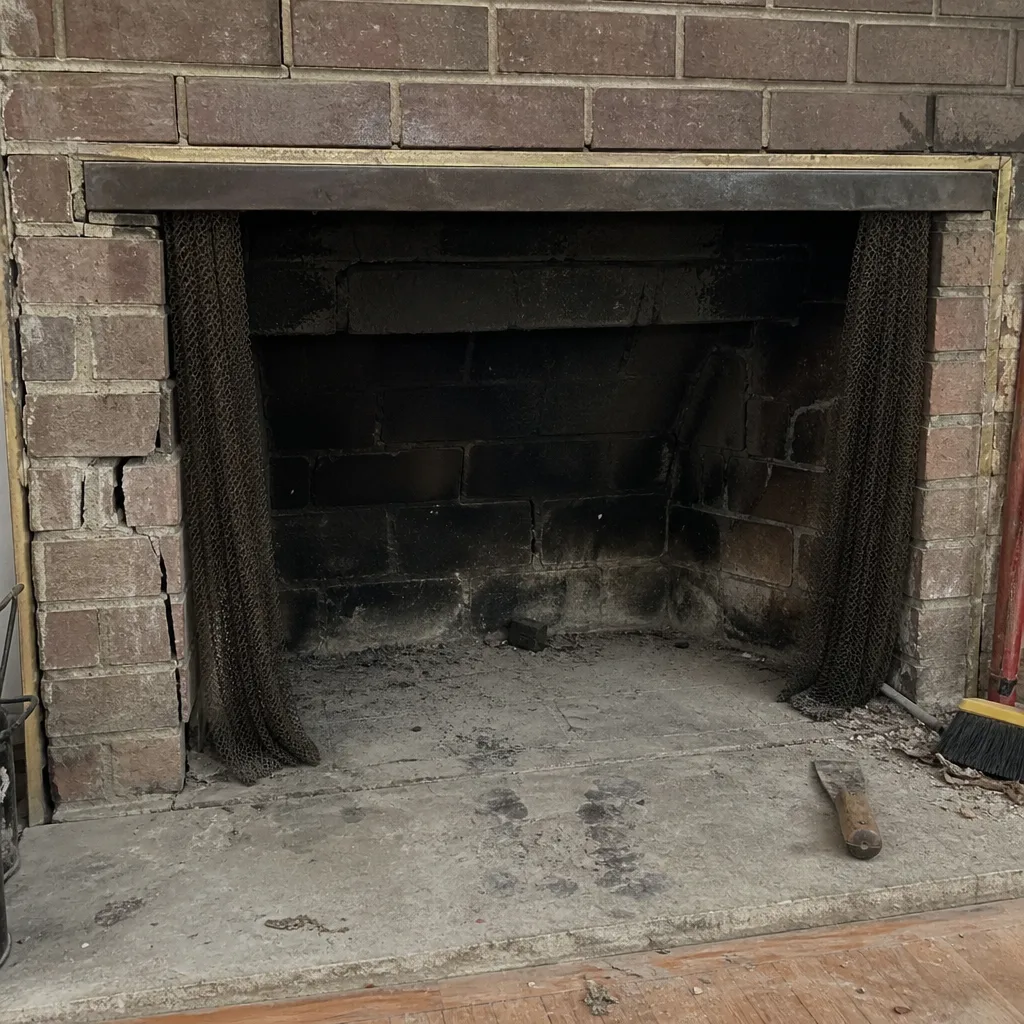
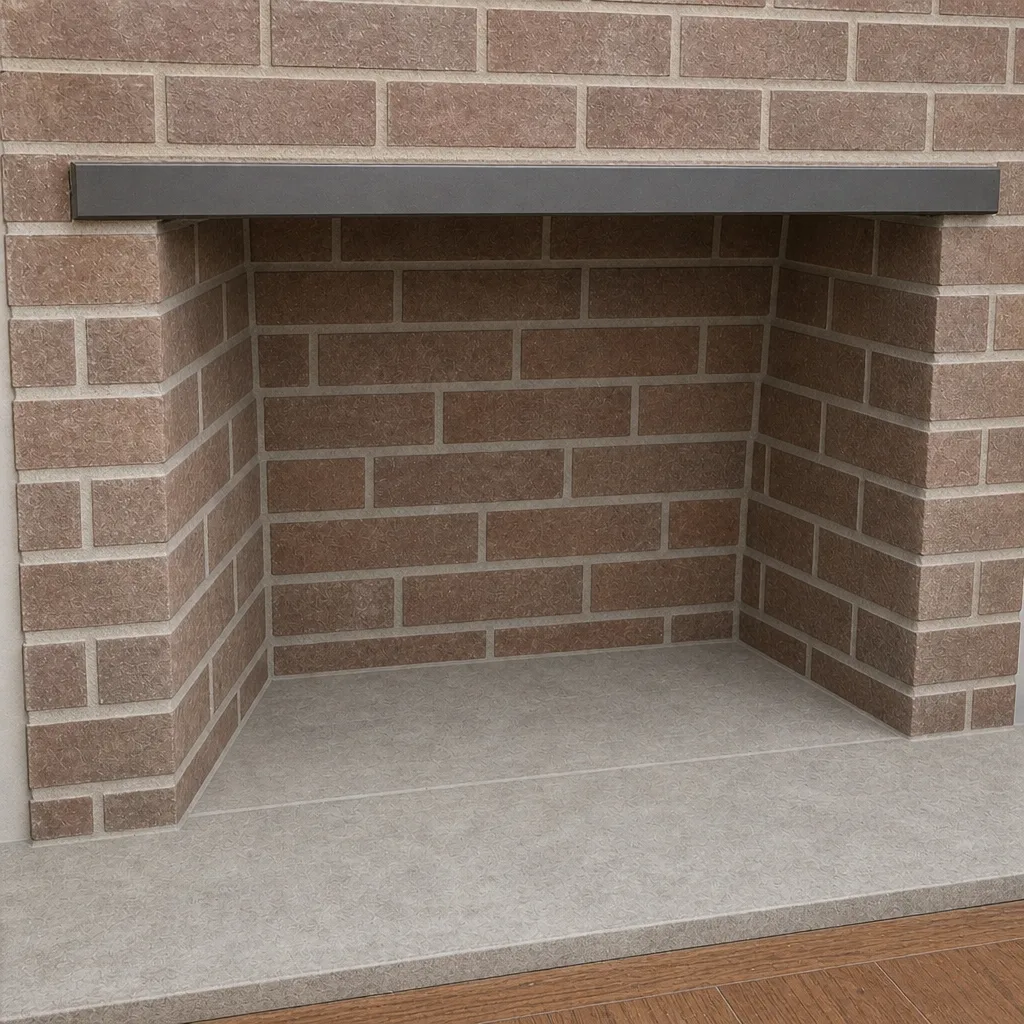
- Firebox walls: Should be visibly free of soot and creosote buildup. The masonry should look like masonry, not a charcoal smear.
- Smoke shelf and smoke chamber: The ledge above the damper is where debris collects. A proper sweep cleans it. Run a flashlight across it; if you see a fresh coat of soot, ask why.
- Damper: Opens and closes freely, seats properly, and isn’t packed with ash.
- Floor protection: Any debris from the sweep should have been contained and removed, not left on your hearth or carpet.
- Odor: A chimney that’s been properly swept should not smell like creosote when the fire is out.
Documentation to request
- A written summary of what was found, including any noted concerns
- Camera images of the flue interior, before and after
- The recommended next step, if any, with the reason
- For any repair or cap and crown work, the material used, named by brand
Ask for this at the end of the visit, while the technician is still on site. A company that keeps records will have it ready. If the answer is “we don’t normally provide that,” that’s a data point about how the company operates. We provide a camera report with the inspection because it’s the only way a homeowner can verify what was actually done.
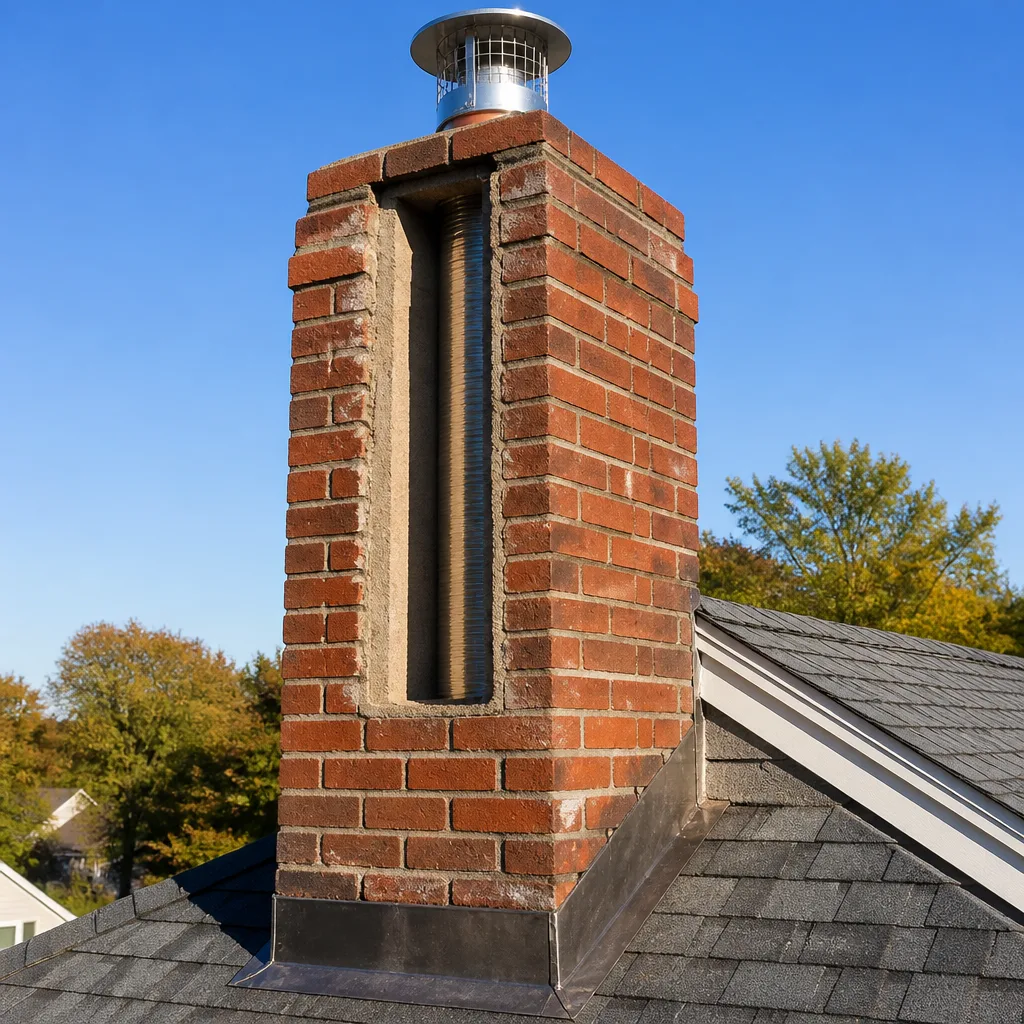
If something does need repair, a specialist working with a recognized material line – Gelco for certain cap and crown applications, HeatShield for ceramic liner restoration – can handle it without handing you off. And if the honest answer is that the work can wait, a specialist will tell you that too. Liner replacement isn’t always the only answer; HeatShield restoration is available in eligible cases.
Tooele Climate and What It Does to Your Chimney
Tooele sits in a high-desert valley with cold winters, dry summers, and a swing between freezing nights and warm afternoons that works on masonry over time. The freeze-thaw cycle is the quiet force behind most of the structural damage we see. Water gets into a crack, expands overnight, widens the crack, and the pattern repeats all winter.
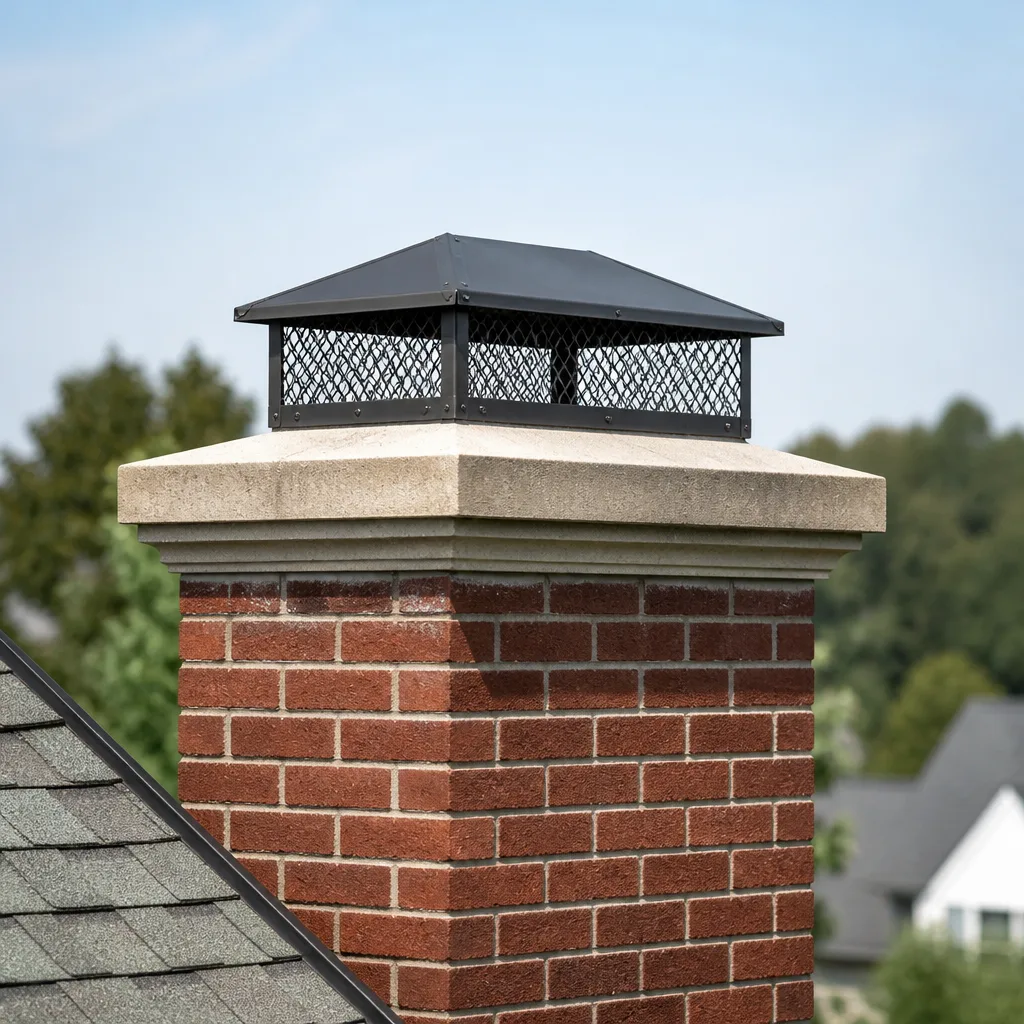
That’s why the cap and crown matter so much here. The crown is the concrete or mortar surface at the top of the chimney that sheds water away from the masonry. The cap covers the flue opening and keeps rain, snow, and animals out. When either fails, the chimney drinks water. Over a few winters, that shows up as spalled brick, a crumbling crown, and eventually damage deeper in the structure.
What this means for your sweep schedule
Wood-burning households in Tooele should sweep at least annually, and more often if you burn frequently through the winter. The sweep clears creosote, which is the fuel for a chimney fire. A clean flue is the whole safety story. Skipping seasons doesn’t just leave the deposit to harden; it means structural issues go unseen because no one’s up there looking.
Gas fireplace owners aren’t exempt. A gas flue can develop blockages from nesting animals, deteriorated liners, or failing venting. Annual inspection applies to gas appliances too, and it’s easy to forget because there’s no creosote to see.
A Numbered Hiring Checklist for Tooele Homeowners
Here’s the full sequence, condensed into a checklist you can work through on the phone.
- Confirm the trade focus. Ask whether chimney work is the company’s primary business. A chimney specialist, not a generalist with a brush, is what you want.
- Request the CSIA number. The technician should have it ready. If they don’t, move on.
- Ask for the liability insurance certificate. Have it emailed before the appointment is confirmed.
- Ask about the camera. Confirm video inspection is included, and that you’ll receive a camera report.
- Ask which inspection level is included. If you’re buying a home or acting on an inspection finding, specify Level 2.
- Request the written estimate. Confirm it names the scope, the inspection level, and any materials by brand.
- Ask what happens if the sweep turns up a repair concern. Can the same company handle chimney repair, or will you be referred out?
- Confirm the documentation you’ll receive. You want a written summary and camera images at the end of the visit.
- Ask for verification you can check afterward. A properly cleaned firebox and smoke shelf are things you can see.
- Book with the specialist. If the answers above hold up, you’ve done the filtering that most homeowners skip.
For those of you with a wood stove or insert, add a question about clearances and the connector pipe. A sweep is the right starting point, but the full system – stove, connector, flue, cap – is what a specialist evaluates. If your concern is smaller and specific to the firebox, a fireplace repair visit may be the right call instead.
Common Mistakes to Avoid
- Booking the lowest price without asking about scope. A $79 sweep that doesn’t include the smoke shelf, or that treats inspection as a $60 add-on, isn’t a cheaper sweep. It’s a partial one. Ask for the full scope in writing before you compare numbers.
- Hiring a generalist because they were available first. In a small market, the easiest company to reach is often the one that does everything. Chimney work is a trade; the fact that someone can re-tile a bathroom doesn’t mean they know what a flue lining looks like from the inside.
- Accepting “your liner is shot” without seeing the evidence. Liner replacement is a significant job, and it should be supported by camera footage you can look at. If you can’t see the defect, you can’t evaluate the recommendation. HeatShield ceramic restoration is available in eligible cases, so a full reline isn’t always the answer; ask whether restoration is an option.
- Skipping the cap and crown because the sweep “looked fine.” The sweep is interior. The cap and crown are what protect the chimney from Tooele’s freeze-thaw winters. If yours is cracked or missing, add it to the list while the technician is on the roof.
- Not asking for the camera report. Without documentation, a sweep is a service you can’t verify. With it, you have a record that shows exactly what was done and what was found. Ask before the visit, not after.
- Ignoring a home inspection finding for a season. A flagged chimney in a purchase inspection isn’t a someday problem. It becomes a structural problem faster than people expect, and it always costs less to address before it has spread.
- Assuming gas means no inspection needed. Gas fireplaces and stoves still need annual inspection. Blockages, deteriorated liners, and venting issues don’t announce themselves, and a chimney with a gas appliance is still a chimney.
See the difference
 Before
 After
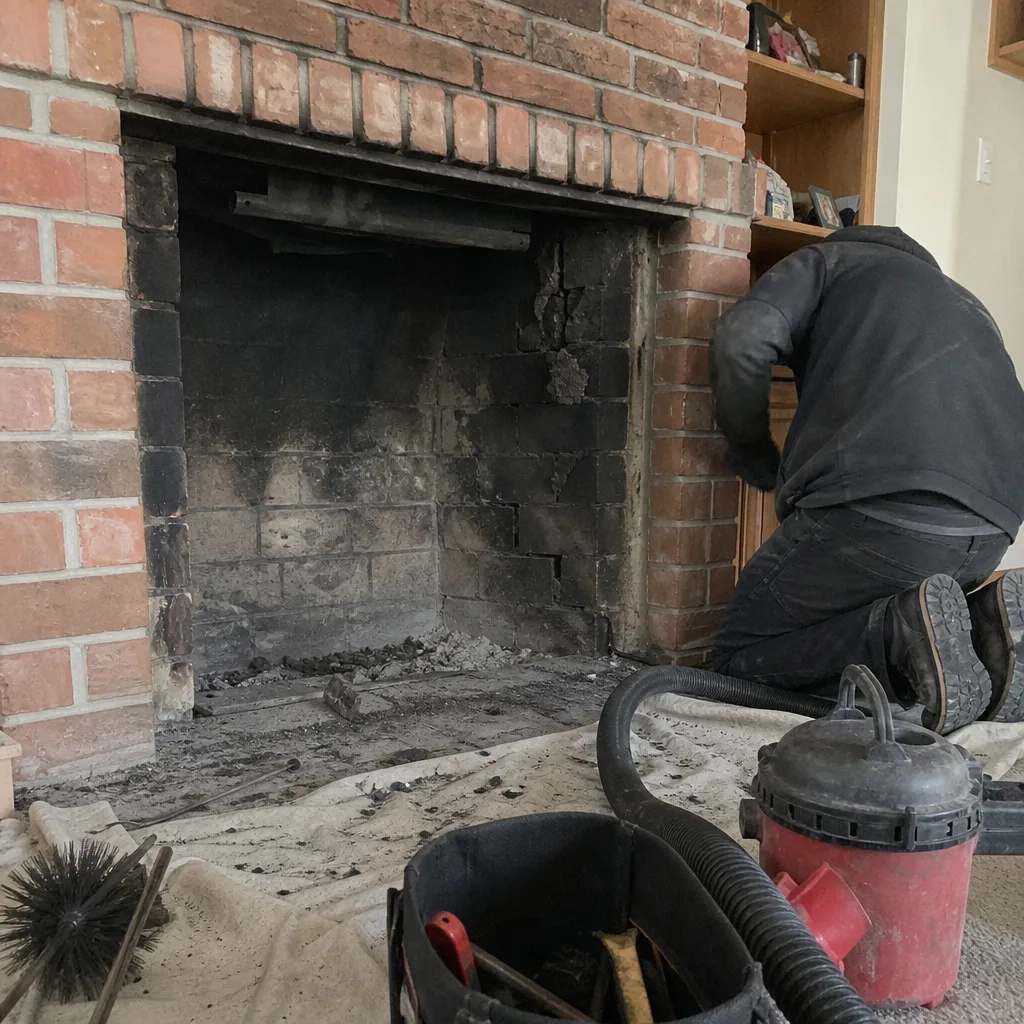 Before
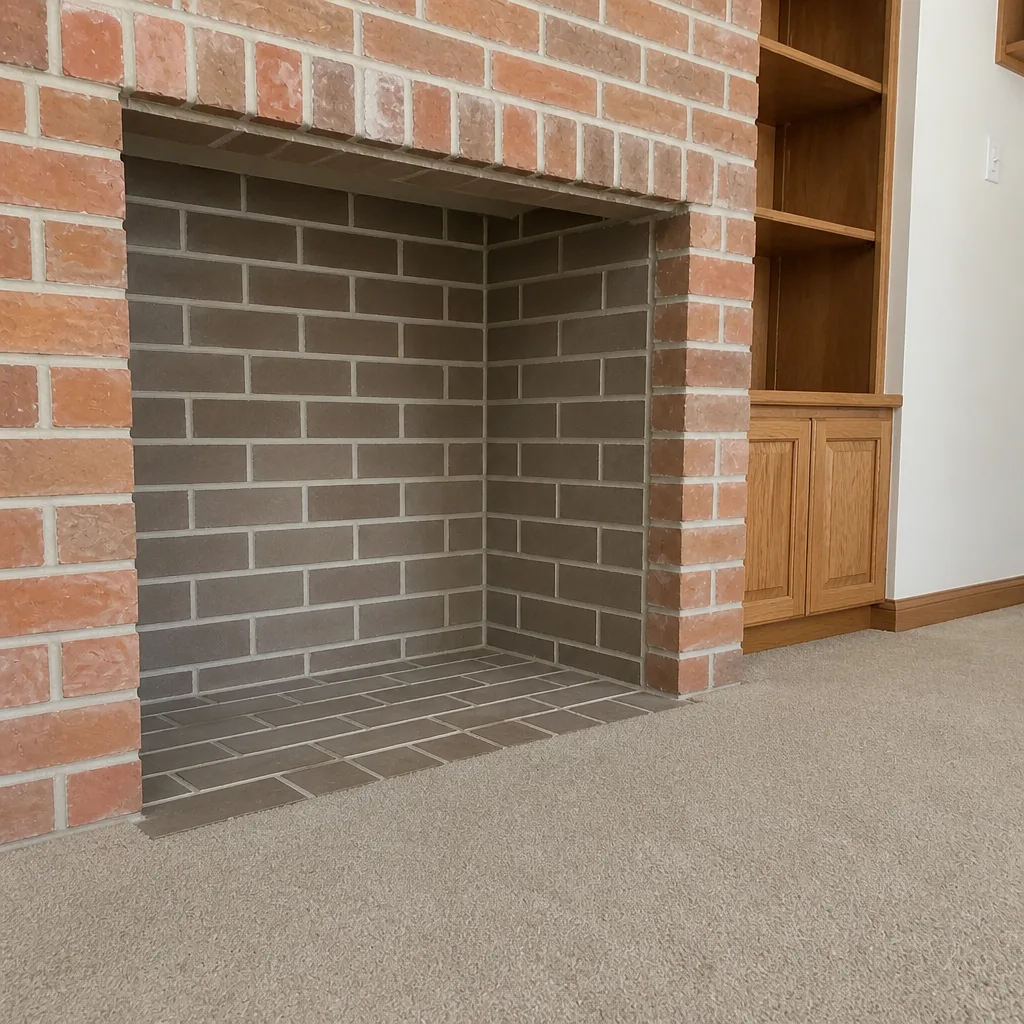 After
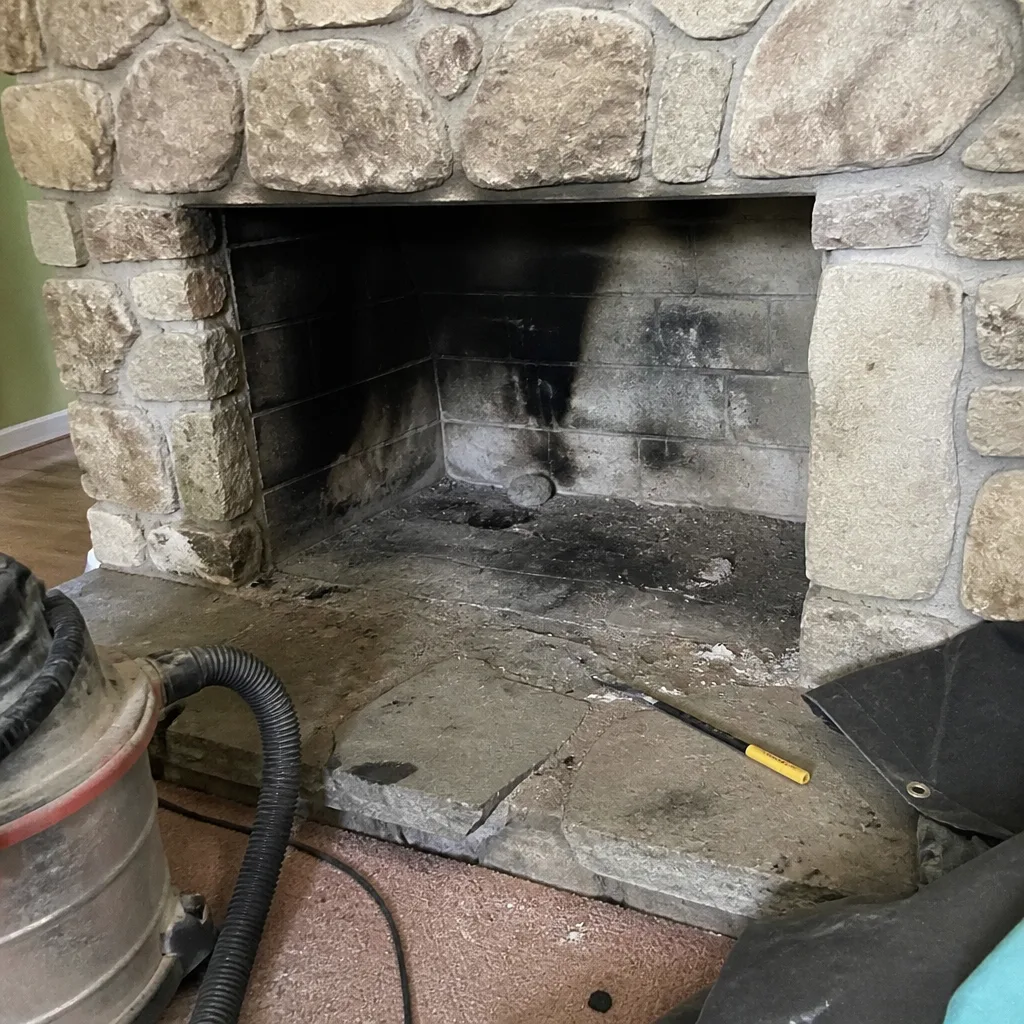 Before
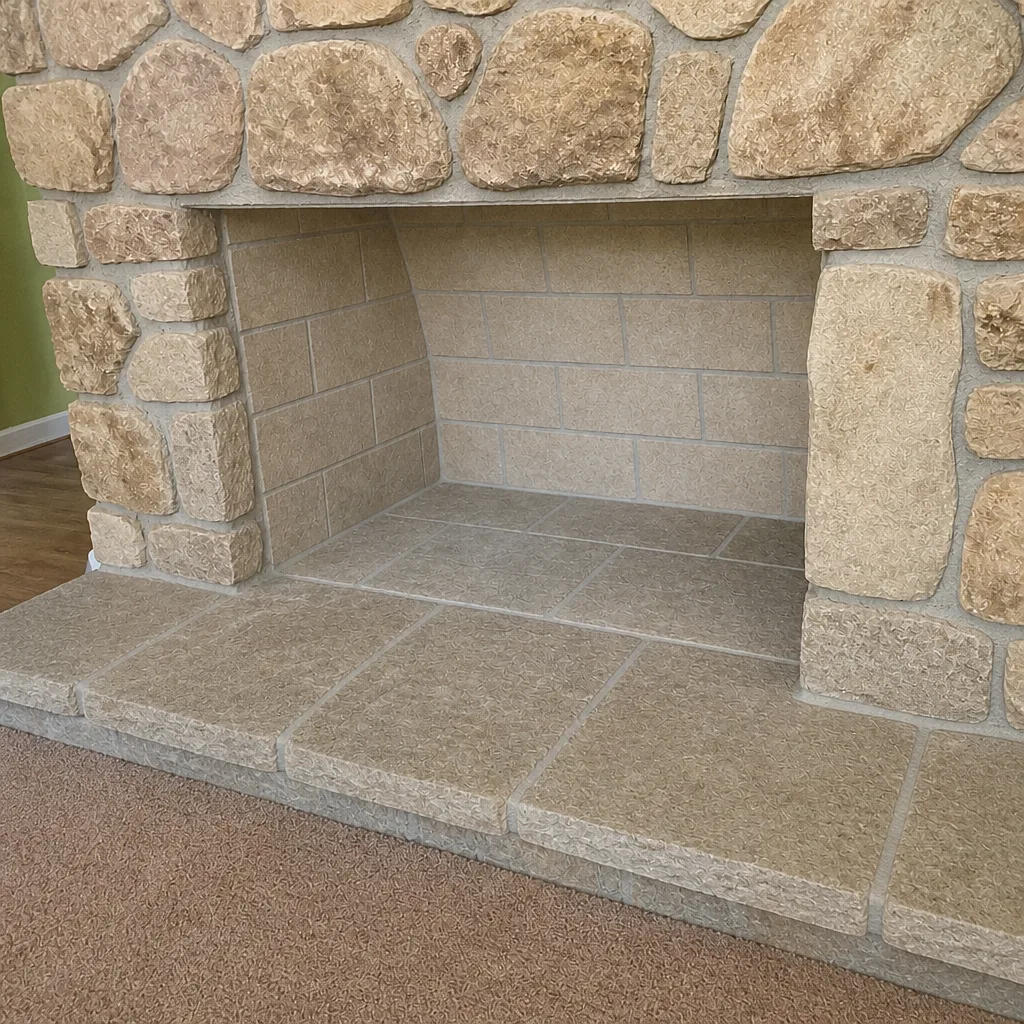 After
When to Call a Professional
Some situations call for a chimney specialist without delay: a home inspection flagged the chimney, you’re buying or selling a home in Tooele and the flue hasn’t been documented, the chimney hasn’t been serviced in several seasons, or you’re noticing draft problems, water staining, or crumbling masonry at the crown. Any of these is a reason to have the system inspected by someone qualified. Creosote buildup and liner damage are the two leading concerns, and both are visible with a camera inspection that comes with a photo report. Skip the seasonal sweep and you’re not saving a call; you’re waiting for a bigger one.
Chimney Sweep Tooele offers free estimates in Tooele – call (877) 792-7216. We answer 24/7. Fast dispatch from 7am to 7pm, Sunday through Friday. Our technicians have up to 12 years of experience, and our sweep, inspection, fireplace repair, chimney repair, and cap and crown installation are covered by the same team. Written estimates set the final price.
Frequently Asked Questions
A typical chimney sweep in Tooele runs in a range that depends on the system, the flue condition, and whether inspection is bundled in. Rather than quote a number that won’t match your situation, ask each contractor for a written estimate that names the scope. A legitimate quote lists the flue, firebox, and smoke shelf. If a repair follows, the material line should name a recognized brand. Call (877) 792-7216 for an exact quote based on your chimney – estimates are free.
Not always. A new liner is recommended when there’s a documented defect: a crack, a gap in the joints, or deterioration that the camera shows clearly. In eligible cases, HeatShield ceramic restoration can address liner problems without full replacement. The key word is documented. Ask to see the camera images before you decide, and ask whether restoration is an option for your flue. Call (877) 792-7216 to book a camera inspection and get the evidence in your hands.
At least once a year for wood-burning fireplaces and stoves, and more often if you burn heavily through the winter. Tooele’s cold season is long, and a wood stove that runs daily builds creosote faster than one used on weekends. Gas appliances also need annual inspection. The safe rule is annual, with an extra sweep mid-season if you’re burning a lot. Call (877) 792-7216 to schedule the sweep – estimates are free.
Creosote builds up in the flue, and creosote is what burns in a chimney fire. Skipping seasons also means structural problems – cracked liners, failing crowns, water intrusion – go unseen because no one is up there inspecting. The risk isn’t abstract. Carbon monoxide from a blocked or damaged flue is a real hazard for any fuel-burning appliance. Getting the system inspected is the straightforward way to know where you stand. Call (877) 792-7216 for an exact quote – estimates are free.
You can, but a company whose main trade is HVAC treats a chimney as an afterthought. It may not carry a camera, may not stock recognized liner and cap brands, and may not have the trade-specific training to spot subtle interior defects. A chimney-only specialist brings the right tools and training to a chimney job. Ask who does the work and what trade the company actually practices. Call (877) 792-7216 to speak with a specialist.
A sweep cleans the system; an inspection evaluates it. They’re often bundled, but they’re not the same thing. The sweep clears the creosote and soot from the flue, firebox, and smoke shelf. The inspection looks at the whole system – flue interior via camera, damper, connections, cap, crown – and documents what it finds. If you bought a home in Tooele with an inspection finding, you want the inspection level spelled out in the quote. Call (877) 792-7216 for an exact quote – estimates are free.
The Bottom Line
Hiring a chimney cleaner in Tooele comes down to filtering. Ask for the CSIA number, ask for the insurance certificate, and ask whether a camera comes to the job. Confirm the company is a chimney specialist, not a generalist with a brush. Read the estimate for scope and material lines, not just a number. Then verify the work: check the firebox and smoke shelf, ask for the camera report, and keep the documentation on file. Do that and the small-market hiring problem stops being a problem. A chimney sweep with credentials behind it is a short phone call away.
Call (877) 792-7216 for a free estimate. We answer 24/7. Fast dispatch from 7am to 7pm, Sunday through Friday. Written estimates set the final price, and nothing is recommended without camera evidence you can see for yourself.
Written by the team at Chimney Sweep Tooele.