
Last updated November 23, 2026
 Sweep & inspection
 Caps & crowns
 Flue relining
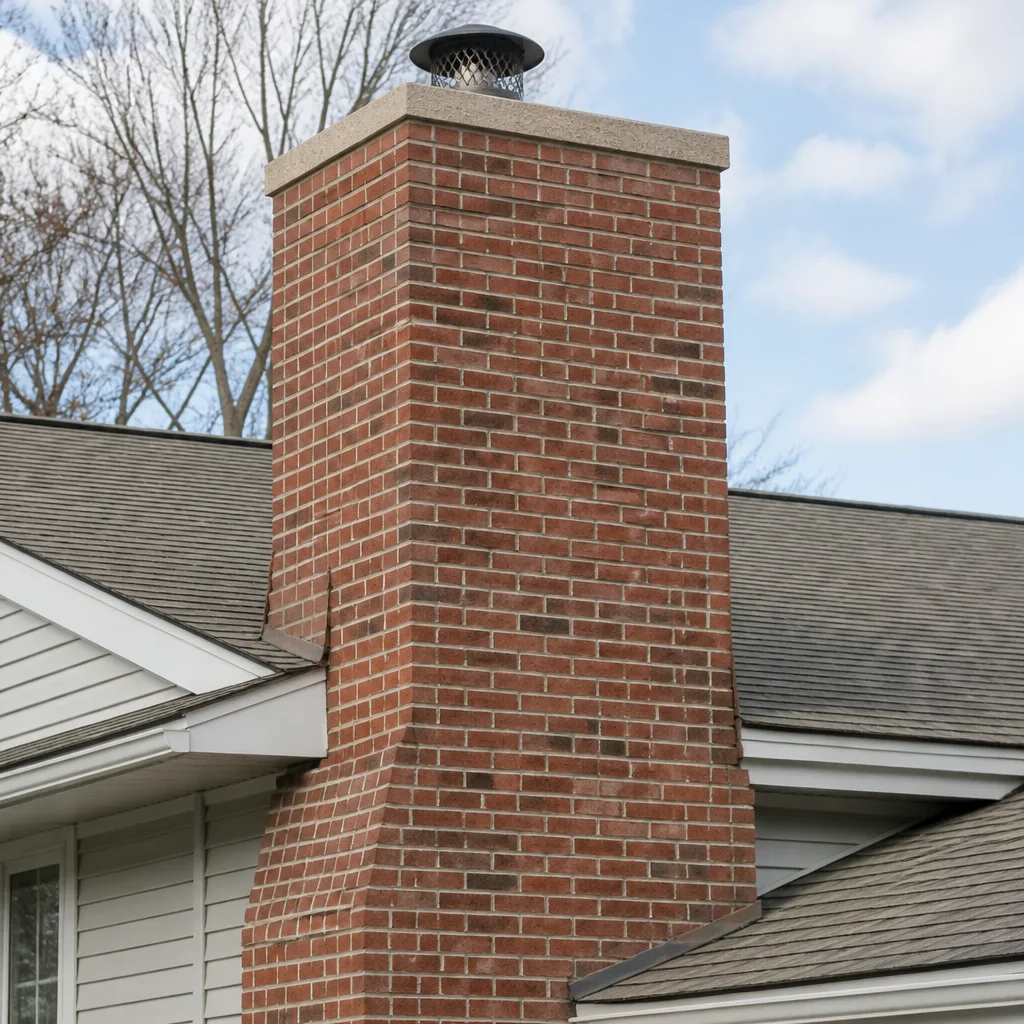 Masonry repair
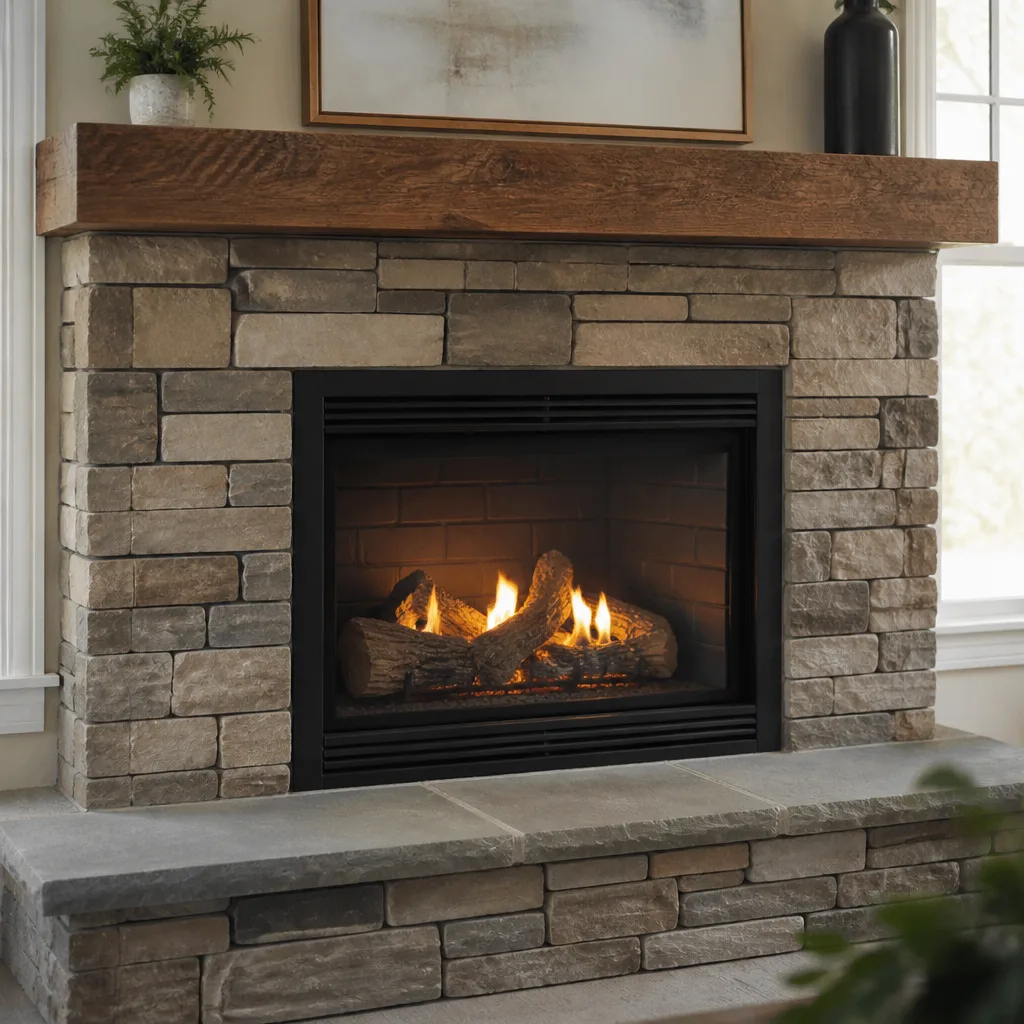 Gas fireplace service
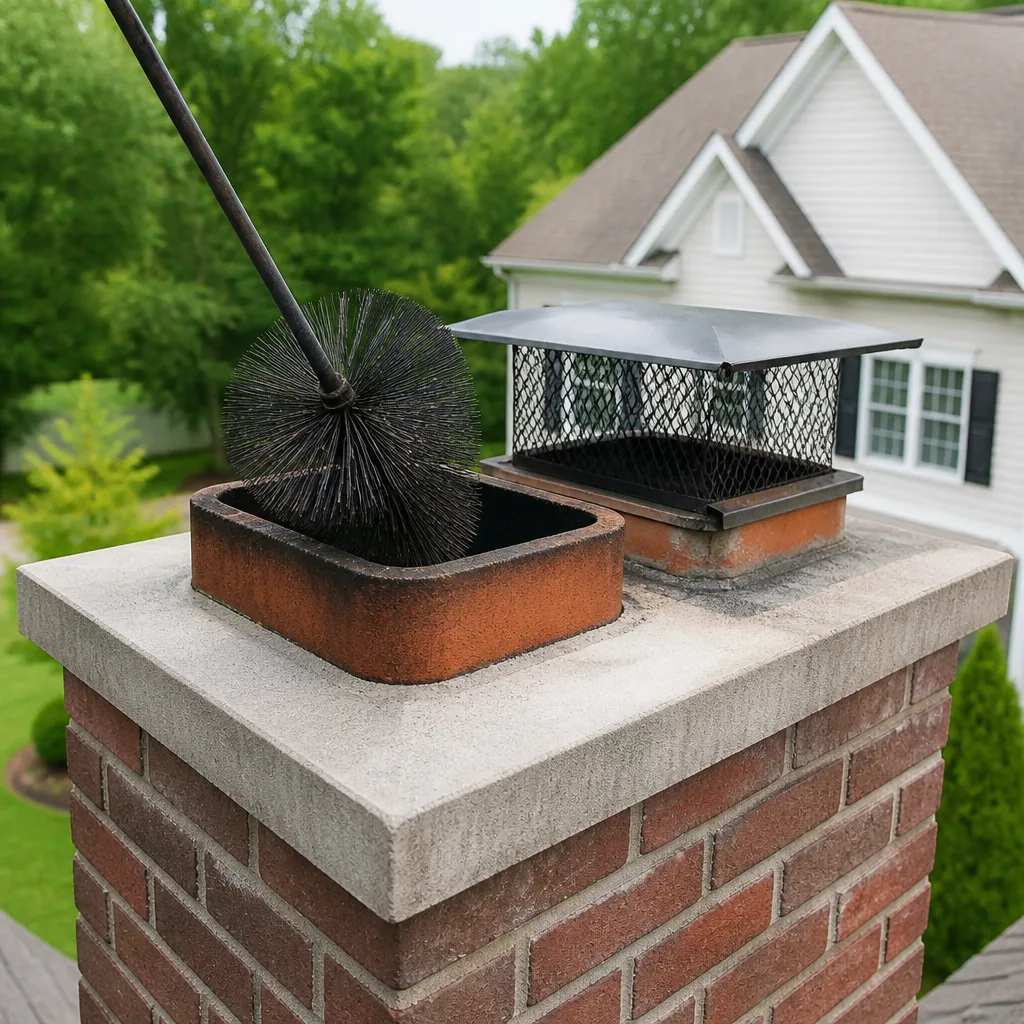
Level 1 sweep and inspection to the NFPA 211 annual standard - flue, crown, cap, and flashing checked and photographed
Chimney sweep logs do not sweep chimneys. They loosen some creosote - which then falls where a brush and vacuum still have to collect it.
Seasonal Chimney Cleaning Care for Tooele: Year-Round Homeowner’s Guide
Most chimney-care advice you’ll read online was written for a place with a long, gentle autumn. Tooele isn’t that place. The stretch between “it’s still warm out” and “we need a fire tonight” can collapse into a couple of weeks, and by late September the overnight temperatures around the valley floor can drop to serious burning levels. That compressed timeline is why the national advice to “schedule your sweep before fall” leaves almost no margin for Tooele homeowners who wait until October to pick up the phone. By then the shoulder season is already gone and the booking calendar is full. This guide maps chimney care to the way Tooele actually moves through the year, so you can plan around the climate instead of reacting to it.
Quick Answer
The best time to schedule a chimney sweep in Tooele is August. It lands after the summer monsoon moisture has had time to expose crown or cap damage and before the late-fall booking rush begins. After the burn season closes in spring, the priority shifts to checking the cap for winter ice damage, clearing the smoke shelf and lubricating the damper. Summer is when a flue camera sees the most, and fall prep is about nesting, not just soot.
Styles & brands we work with
- Sweep & inspection
- Caps & crowns
- Flue relining
- Masonry repair
- Gas fireplace service
Table of Contents
- How Tooele’s Climate Sets Your Chimney Calendar
- Why August Is the Best Sweep Month in Tooele
- Spring: What to Check After the Burn Season Closes
- Summer: The Best Season for a Camera Inspection
- Fall Prep Beyond Cleaning: Nesting, Caps and the First Fire
- Burning on Tooele’s Air Quality Action Days
- Winter: Living With a Fire and Knowing the Warning Signs
- The Full Year-Round Tooele Chimney Checklist
How Tooele’s Climate Sets Your Chimney Calendar
A chimney doesn’t care about the calendar on your wall. It cares about moisture, temperature swings and how much you burn. Tooele gives your chimney all three in a particular pattern, and once you understand that pattern, the yearly schedule sorts itself out.
The valley sits in a high desert setting where daytime and overnight temperatures can swing widely, especially in the shoulder months. That swing matters because it drives condensation inside a cool flue and puts repeated stress on the masonry at the top of the chimney. Tooele also receives its share of winter snow and freeze-thaw cycling, which is hard on crowns, caps and the mortar joints that hold a chimney together. And in summer, the region gets monsoon moisture that arrives in short, intense bursts rather than steady rain. Those bursts find every hairline crack in a crown or a cap seam and push water into places you can’t see from the ground.
So the Tooele chimney year has four real phases, not the tidy version most national guides describe:
- Late spring: the burn season winds down and you find out what winter did to the cap, crown and damper.
- Summer: dry flue conditions and strong light make this the best window for camera inspection and structural repair.
- Late summer to early fall: monsoon season has revealed any water intrusion, and this is the last calm stretch before the booking rush.
- Fall into winter: burning season, when the goal is a clean flue, a working damper and a cap that’s still attached.
Housing stock matters too. A lot of Tooele homes have a fireplace or wood stove as a genuine heating supplement, not just decoration, which means more burn hours than a mild-climate home would see. More burn hours means more creosote accumulation per season. That’s the single biggest reason a Tooele chimney benefits from an annual sweep even when the fire was only used “part of the winter.”
Why August Is the Best Sweep Month in Tooele
August is the optimal month to schedule your chimney sweep in Tooele. It’s the point in the year where the previous burn season is well behind you, the summer monsoon moisture has finished exposing any crown or cap damage, and the fall booking rush hasn’t started. Scheduling in August means you’re not competing with every other homeowner in the valley who suddenly remembered their chimney in October.
That last point is the heart of it. National advice tells people to “clean before you burn,” which sounds reasonable until you realize that by October, everyone who read the same advice is trying to book at once. Tooele’s compressed shoulder season makes that congestion worse, not better. The homeowner who books in August gets a relaxed appointment and time to fix anything the inspection turns up. The homeowner who calls in October gets a tight schedule and, if a repair is needed, is now deciding whether to fix it or burn anyway.
August gives you margin for the “fix it before fall” step. Consider the sequence:
- Sweep and inspect in August. The flue is cleaned and the technician gets a clear look at the liner, damper and smoke chamber.
- Review the findings. Anything needing repair, from a cracked crown to a damaged cap to a liner concern, gets identified now.
- Make the repair before the rush. A cap, crown or chimney repair scheduled in late August is far easier to fit in than one requested in October.
- Start the season ready. By the first cold night, you know your chimney is clean and sound instead of hoping it is.
There’s a practical reason for the timing too. August follows the period when summer storms have worked on the top of your chimney. When we inspect in late summer, water stains, softened mortar and loose cap fasteners are easiest to spot because the damage from that season’s weather is already present. Catch it at inspection, fix it at repair, and protect it with the right cap before winter loads it further.
Spring: What to Check After the Burn Season Closes
Spring is when you learn what winter did to your chimney. The burn season is over, the fire is out, and this is the first chance to look at the cap, crown and damper with fresh eyes. Most of the damage a Tooele chimney accumulates happens over winter, and spring is when it’s still fresh enough to address before it spreads.
Three tasks matter most in spring:
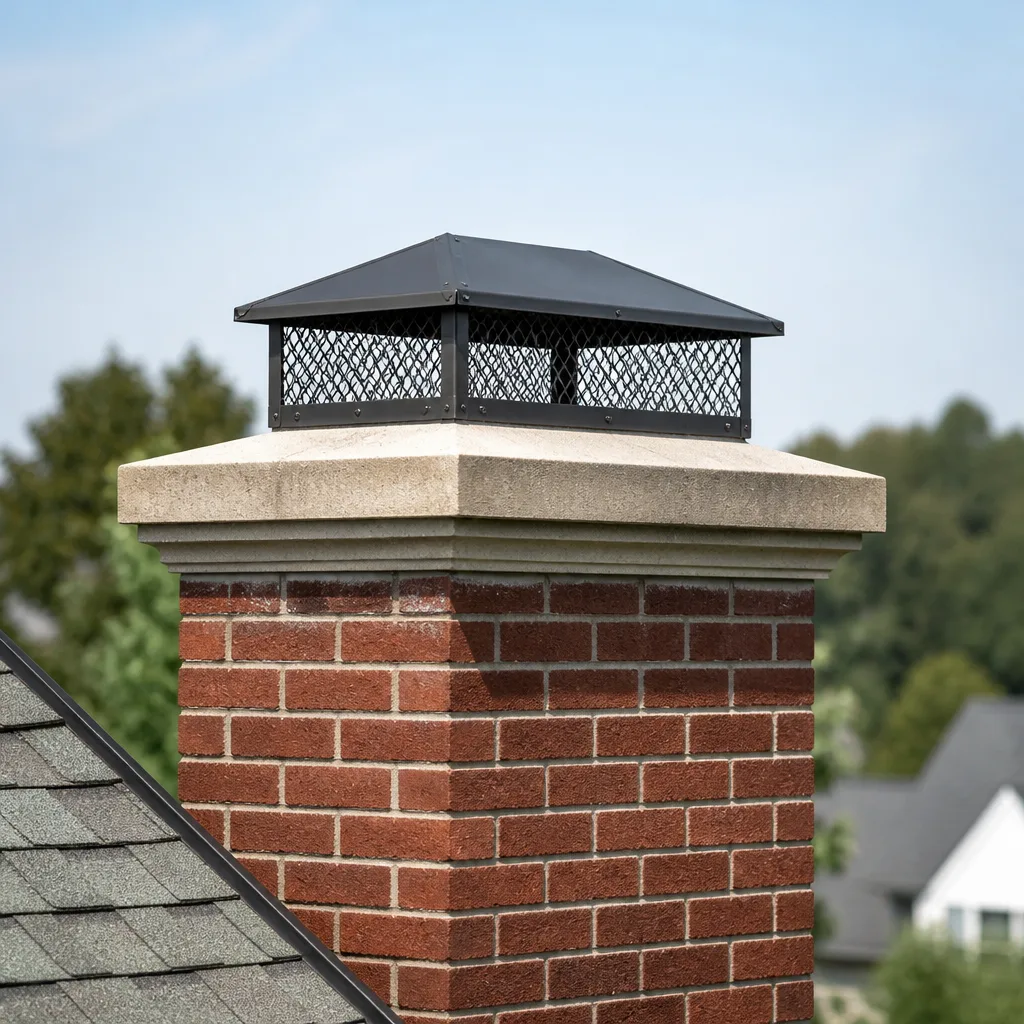
- Cap inspection. A cap takes the brunt of winter. Snow load, freeze-thaw cycling and wind can loosen fasteners, bend mesh or shift the cap out of position. A cap that’s come loose or lost a section of mesh is an open door for water, birds and debris.
- Smoke shelf debris removal. The smoke shelf is the ledge just behind the damper where debris collects. Over a burn season, soot, ash and whatever else drifted down settles there. It affects draft and it’s a fire hazard if left. Clearing it as part of a spring sweep keeps the whole firebox breathing properly.
- Damper lubrication. The damper is a moving part and it needs attention like one. A damper that’s stiff or sticking after a winter of use should be cleaned and lubricated so it opens and closes smoothly before the next season. A damper that won’t close properly wastes heat all winter and lets cold air down the flue when you’re not burning.
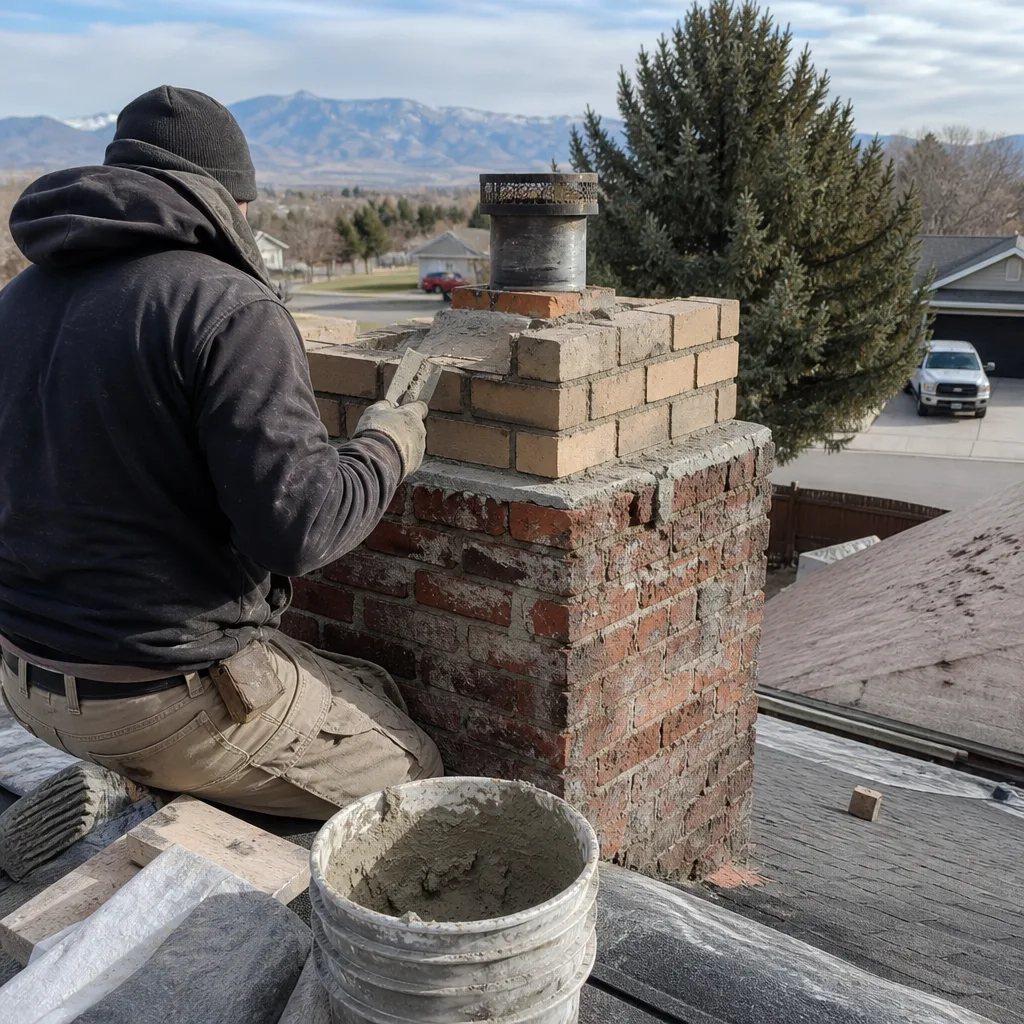
Spring is also a good time to look at the crown, the concrete or masonry cap at the very top of the chimney that sheds water away from the flue. Freeze-thaw cycles in Tooele are hard on crowns, and a hairline crack that opens over winter will widen through summer storms if it’s left alone. A crown only gets more expensive to fix the longer water has been working at it. If you’re not sure what you’re looking at from the ground, that’s normal. Our technicians have up to 12 years of experience reading exactly this kind of winter wear, and a spring inspection can tell you plainly whether your crown is fine or needs attention.
Summer: The Best Season for a Camera Inspection
Summer is the one season when a flue inspection camera reveals the most. With no active fire and no fresh soot or smoke in the flue, hairline cracks in the liner show up clearly on camera. In the middle of a burn season, the flue is often coated enough that small defects can hide. In summer, the same flue is dry and comparatively clean, and a camera can see what it needs to see.
This is the season for the closest look at the parts of your chimney you can’t reach. Liner condition, the smoke chamber, the smoke shelf, the damper assembly and the firebox all get a clear read in summer. If you’ve had a home inspection flag a chimney issue, or you’ve just bought a house in Tooele and don’t know the service history, summer is when an inspection gives you the most reliable answers.
Summer is also repair season, and it matters which materials your repair uses. We work with recognized chimney industry brands rather than generic components: DuraFlex for liner systems, HeatShield for ceramic liner restoration, Famco and Copperfield among others. That’s not brand loyalty for its own sake. It’s that a repair done with off-brand parts may not hold up to Tooele’s temperature swings the way industry-grade materials will.
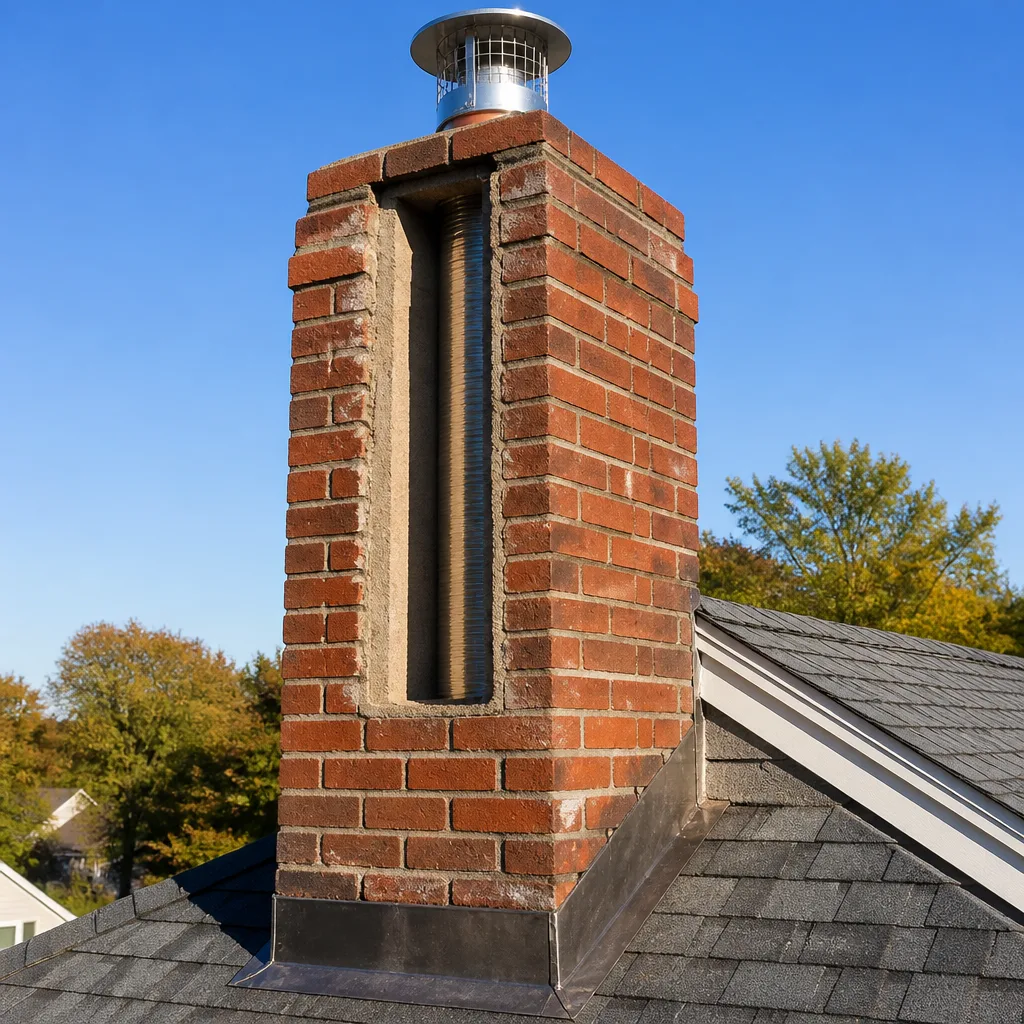
Summer is also when a specialized repair can save you from a bigger one. HeatShield ceramic liner restoration is a specialist method that can repair an eligible ceramic liner without a full reline. A generalist with a brush won’t offer it, because it’s outside the scope of a sweep-and-clean. If your liner has a crack but is otherwise sound, restoration may be the right answer instead of replacement. That’s a determination an inspection makes, not a guess. HeatShield liner restoration is the option when replacement isn’t the only answer.
One more summer point: if you’ve been putting off a fireplace issue, this is the calmest window to deal with it. A fireplace repair done in July isn’t competing with anything. A fireplace repair pushed to November is competing with everyone.
Fall Prep Beyond Cleaning: Nesting, Caps and the First Fire
Fall prep in Tooele is about more than cleaning. The warm spring and early summer months here are when birds and small animals look for places to nest, and a chimney is exactly the kind of sheltered, dry spot they look for. By fall, a nest, a collection of twigs or a dead animal in the flue is a common find, and every one of those is a blockage that can push smoke back into the house or, worse, catch fire.
So fall prep includes things a simple sweep wouldn’t catch on its own:
- Check for nesting and debris. A proper fall inspection looks at the flue for blockages from birds, squirrels or insects before the first fire. A cap with intact mesh prevents this from happening in the first place, which is why cap condition is a fall priority.
- Confirm the cap is intact. A damaged or missing cap is an open invitation for nesting, water and debris. If your cap is loose, rusted or missing mesh, fall is the time to fix it, not the middle of winter.
- Check the damper travel. The damper should open fully and close fully. A damper that sticks partway open loses heat and lets cold air down the flue.
- Test the draft with a small fire. Before you commit to a real fire, a small test fire tells you if the draft is pulling correctly and if smoke is backing up. If it is, stop and call.
Fall is also when the booking calendar tightens. The homeowner who did the August sweep and the fall cap check is in good shape. The homeowner who hasn’t been serviced in several seasons faces a longer to-do list in a shorter window. If your chimney falls into that category, it’s worth a chimney sweep and inspection before you burn, not after.
Burning on Tooele’s Air Quality Action Days
Tooele, like much of the Wasatch Front region, has air quality action days, including red and yellow days, when burning is restricted or discouraged. On those days, the right move is to burn less or not at all. Beyond the legal and community reasons, there’s a practical chimney reason too: reduced burning changes your creosote picture.
Creosote forms when smoke cools before it leaves the flue. A fire that’s burning hot and clean produces less of it. A fire that’s smoldering, starved of air, or burning wet or green wood produces more. On an air quality action day, if you burn at all, you’re likely to burn a smaller, cooler fire, and a cooler fire deposits more creosote per hour of burn than a hot one does. That matters because creosote is the fuel for a chimney fire, and it builds up faster when the fire is cool.
What that means for a Tooele homeowner:
- Respect the action day. On a red day, don’t burn. On a yellow day, burn less and burn hot when you do.
- Burn dry, seasoned wood. Wet wood produces more smoke and more creosote, and it makes an action day worse for everyone including your flue.
- Don’t smolder a fire to make it last. A long, lazy, smoky burn is the most creosote-heavy way to use a fireplace. A hot fire with good air is cleaner for the flue.
- Get swept more often in a heavy-burn year. If you had a lot of action days and still burned a lot on the permitted ones, your accumulation may be higher than usual. Ask the technician to check creosote level at inspection.
Air quality rules and burn restrictions change, so check the current guidance from your local air quality authority before you burn on a flagged day. The chimney-care point holds regardless: a cooler, slower fire leaves more behind in the flue.
Winter: Living With a Fire and Knowing the Warning Signs
Winter is when you actually use the system, and it’s the season to pay attention to how it’s behaving. A healthy fire burns cleanly, drafts up the flue and leaves little visible smoke backing into the room. A fire that doesn’t is telling you something.
Watch for these signs during the burn season:
- Smoke backing into the room. This can mean a blockage, a draft problem or a damper issue. Stop burning and get it checked.
- A strong, acrid smell or visible soot on the firebox. These point to creosote buildup or incomplete burning.
- A roaring, rumbling sound from the flue, or a sudden intense heat. This can be a chimney fire. Get everyone out and call the fire department. Even a small chimney fire can damage the liner in ways you can’t see.
- Water stains, damp patches or crumbling mortar near the chimney. These point to water getting in, likely at the crown or cap.
Be honest with yourself about how much you’re burning. A fireplace used every cold night through a Tooele winter accumulates creosote at a meaningful rate, and the only way to know the level is an inspection. If it’s been several seasons since your last sweep, don’t wait for a warning sign. The signs aren’t always visible from the living room, and the cost of waiting is a chimney fire or a liner repair you could have avoided.
Winter is also when water damage gets worse. A crown crack that was minor in October can widen through a hard freeze in January. If you noticed a crack or a loose cap in fall and didn’t fix it, that repair is worth prioritizing.
The Full Year-Round Tooele Chimney Checklist
Here’s the whole year in one place, built around Tooele’s actual climate rhythm rather than a generic template. Use it as a planning tool.
| Season | Priority Tasks | Why It Matters in Tooele |
|---|---|---|
| Late Spring | Cap inspection, smoke shelf debris removal, damper lubrication, crown check | Finds winter ice and snow damage before summer storms widen it |
| Summer | Camera inspection, liner check, structural repair, HeatShield evaluation if needed | Dry, clean flue gives the camera the clearest read on hairline cracks |
| August | Annual sweep and full inspection | After monsoon moisture, before the fall booking rush |
| Fall | Nesting check, cap confirmation, damper travel, test fire | Warm-season nesting becomes a fall blockage if unchecked |
| Winter | Watch for warning signs, burn dry wood, respect action days | Cooler, slower fires deposit more creosote |
If you do nothing else, do two things: get a sweep and inspection in August, and get the cap and crown checked every spring. Those two habits catch almost everything Tooele weather throws at a chimney.
Common Mistakes to Avoid
- Waiting until October to book. The compressed Tooele shoulder season means the October caller is competing with everyone else who waited. Book the sweep in August and you’ll have a comfortable schedule and time to fix anything found.
- Treating “cleaned” and “inspected” as the same thing. A sweep removes creosote. An inspection looks at the liner, cap, crown and smoke chamber. You need both, and a sweep without an inspection misses the structural issues that matter most.
- Ignoring a small crown crack. A hairline crack in the crown looks harmless. Through a Tooele freeze-thaw winter and a monsoon summer, it widens, and water gets deeper into the masonry each cycle.
- Skipping the cap because it “still looks fine.” A cap can look fine from the ground while the mesh is rusted through or a fastener has worked loose. It’s a ground-level glance, not an inspection.
- Burning wet or green wood to save money. Wet wood smolders, produces more smoke and deposits more creosote. In a valley with air quality action days, it also makes the air worse for everyone.
- Smoldering a fire to stretch it out. A long, cool, smoky burn is the fastest way to build creosote. High heat with good air is cleaner for your flue.
- Assuming a generalist handles chimney work. Chimney repair, liner work and crown installation are a specific trade. A company that handles chimneys as a side service may not offer the specialized methods, like HeatShield restoration, that a dedicated specialist does.
See the difference
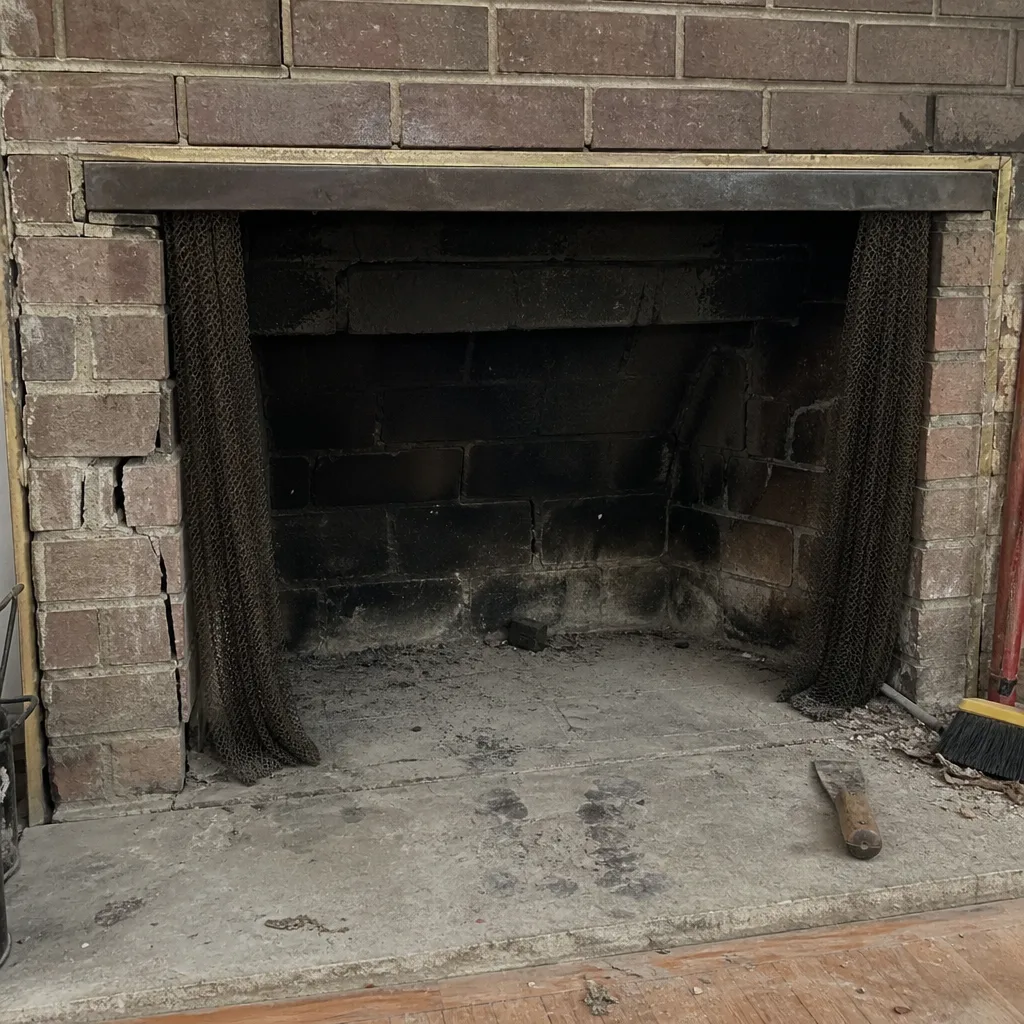 Before
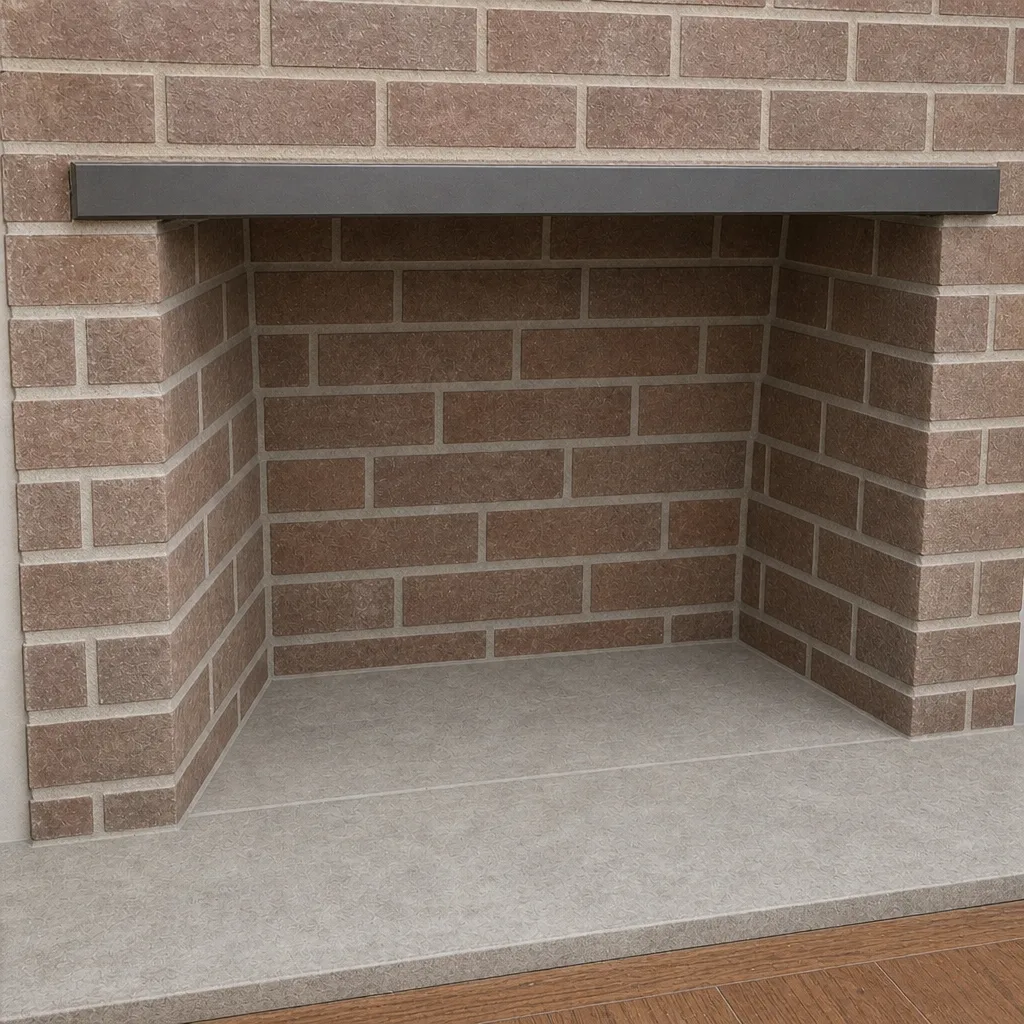 After
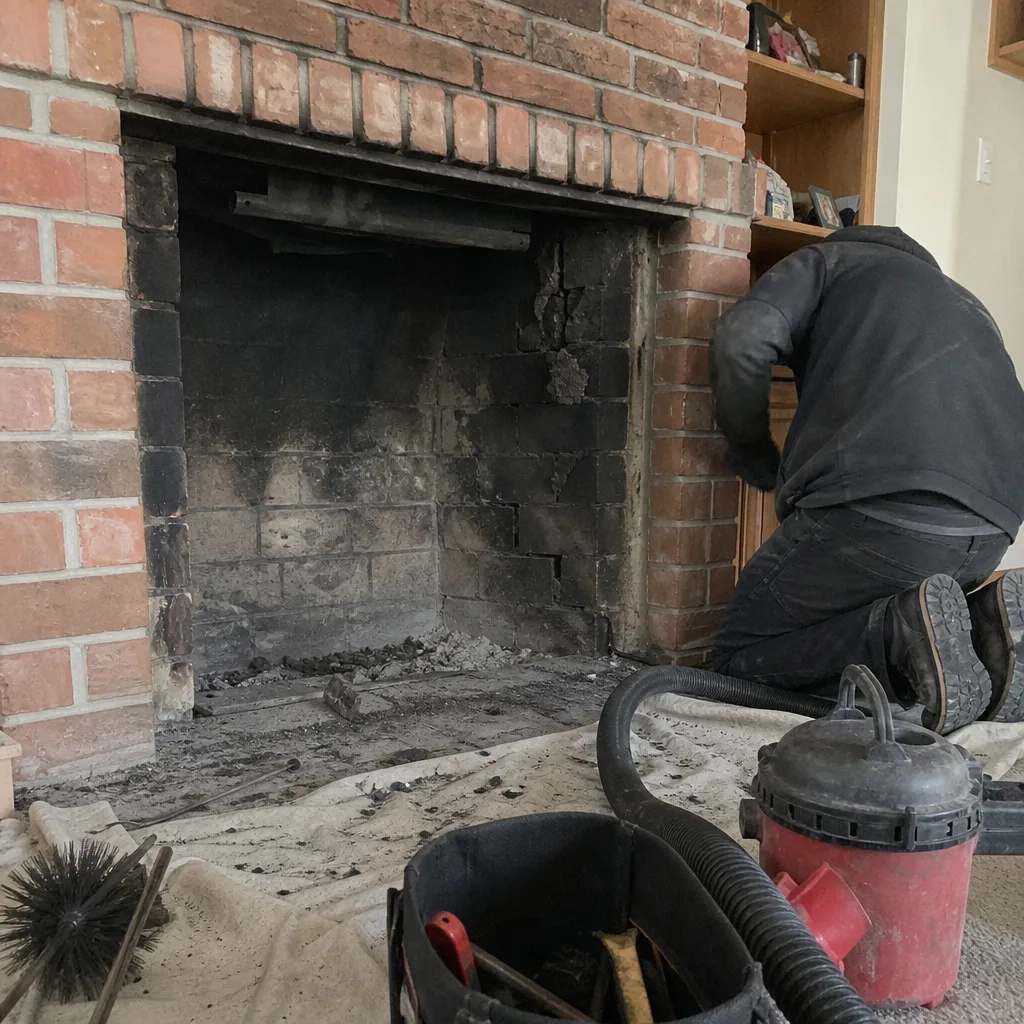 Before
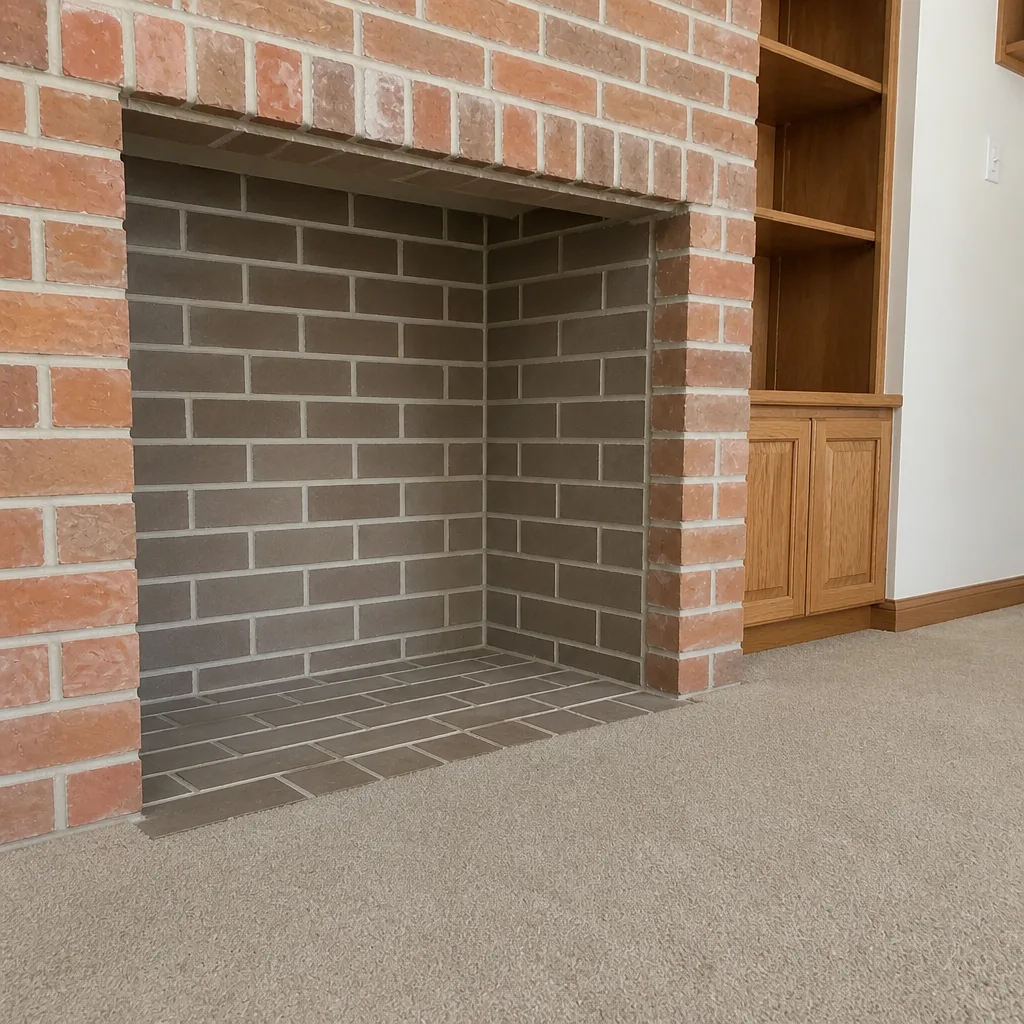 After
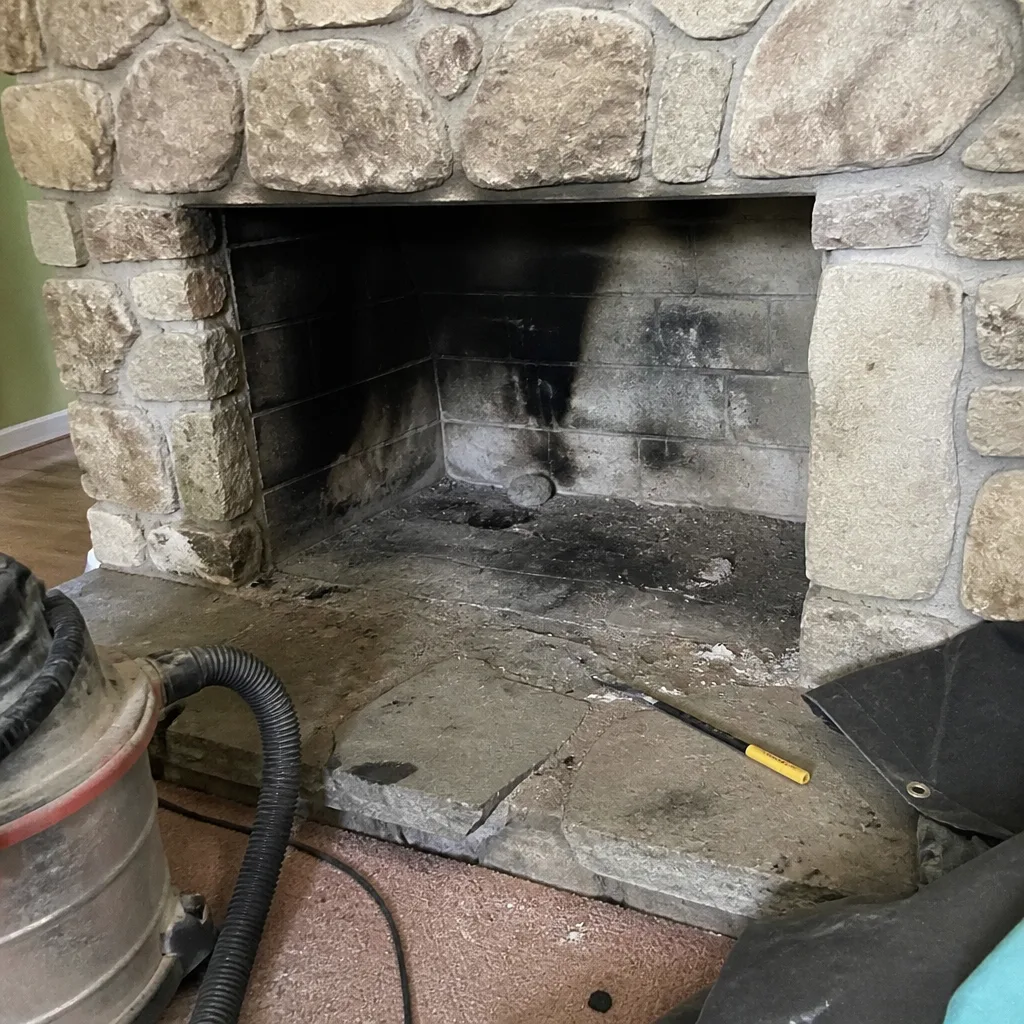 Before
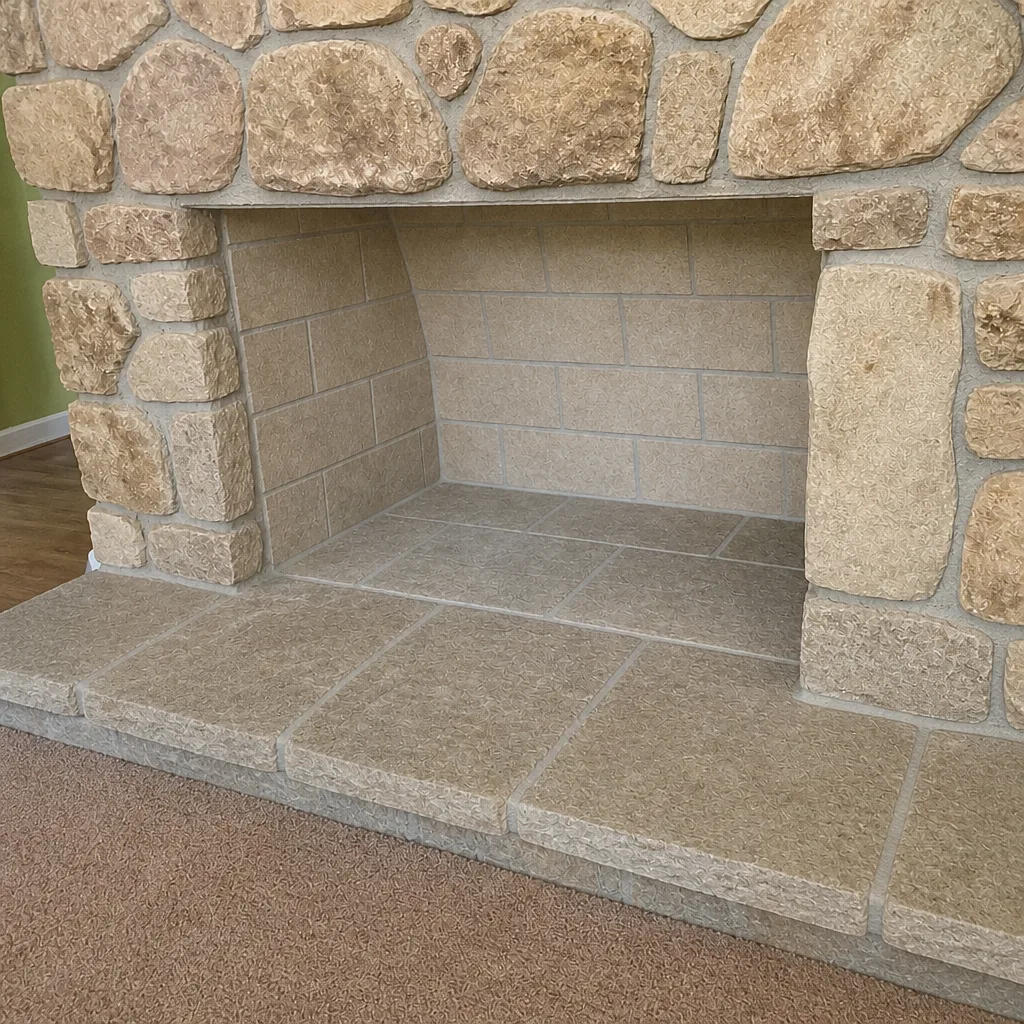 After
When to Call a Professional
Some chimney work is routine and some shouldn’t wait. Call a professional if you smell smoke inside the house when you’re not burning, if smoke backs into the room when you light a fire, if you see water stains or crumbling mortar anywhere near the chimney, if the cap is loose or missing, or if it’s been several seasons since your last inspection. Also call if a home inspection flagged a chimney issue before a purchase, or if you’ve just moved into a Tooele home and don’t know the service history. And if you ever hear a roaring sound from the flue or see intense heat, get out and call the fire department first. Chimney Sweep Tooele offers free estimates in Tooele. Call (877) 792-7216. We answer 24/7. Fast dispatch from 7am to 7pm, Sunday through Friday.
Frequently Asked Questions
Once a year, ideally in August, is the right rhythm for most Tooele homes. That timing follows the local climate better than the generic “before fall” advice, because it lands after summer monsoon moisture has exposed top-of-chimney damage and before the fall booking rush. Homes that burn heavily through the winter, or burn on many cold nights, may need a mid-season check as well. Call (877) 792-7216 for an exact quote; estimates are free.
August gives you margin that October doesn’t. Tooele’s shoulder season is short, overnight temperatures can drop to serious burning levels by late September, and by October everyone who read the same national advice is trying to book at once. An August sweep gives you a relaxed appointment and time to fix anything the inspection finds before the first fire. Call (877) 792-7216 to schedule; estimates are free.
A sweep removes creosote and debris from the flue; an inspection evaluates the condition of the whole system, including the liner, cap, crown, damper and smoke chamber. You need both, and they’re done together for efficiency. The inspection is what catches structural issues a cleaning alone would miss. Call (877) 792-7216 for an exact quote; estimates are free.
Creosote keeps building, and the hidden structural issues, like crown cracks and loose caps, keep getting worse. Creosote is the fuel for a chimney fire, and a crown crack lets water into the masonry through every freeze-thaw cycle. Skipping a year rarely causes a problem overnight, but skipping several seasons stacks the risks. Call (877) 792-7216 for an exact quote; estimates are free.
They can, indirectly. When you burn less or burn a smaller, cooler fire on an action day, that fire produces more creosote per hour than a hot fire does. So a season with many action days and still-heavy burning can mean faster creosote accumulation. Check current local air quality guidance before burning on a flagged day, and ask about creosote level at your next inspection. Call (877) 792-7216 for an exact quote; estimates are free.
Sometimes, yes. HeatShield ceramic liner restoration is a specialist method that can repair an eligible ceramic liner without a full reline, and it’s the kind of work a dedicated chimney specialist offers rather than a generalist. Whether your liner is eligible depends on what the inspection finds, so the answer comes from the inspection, not a guess. Call (877) 792-7216 for an exact quote; estimates are free.
The Bottom Line
Tooele’s chimney year is compressed, and the national advice doesn’t fit it. The single best habit is an August sweep and inspection, which lands after monsoon moisture and before the fall rush. Follow it with a spring cap, crown and damper check, a summer camera inspection where repair is best done, and fall nesting and cap prep. Watch your fire through winter and respect air quality action days. From sweep to cap, it’s the full chimney system handled by one specialist. Our technicians have up to 12 years of experience, and we work with recognized brands like DuraFlex, HeatShield and Famco. Call (877) 792-7216. We answer 24/7. Fast dispatch from 7am to 7pm, Sunday through Friday.
Written by the team at Chimney Sweep Tooele.