
Last updated November 23, 2026
 Sweep & inspection
 Caps & crowns
 Flue relining
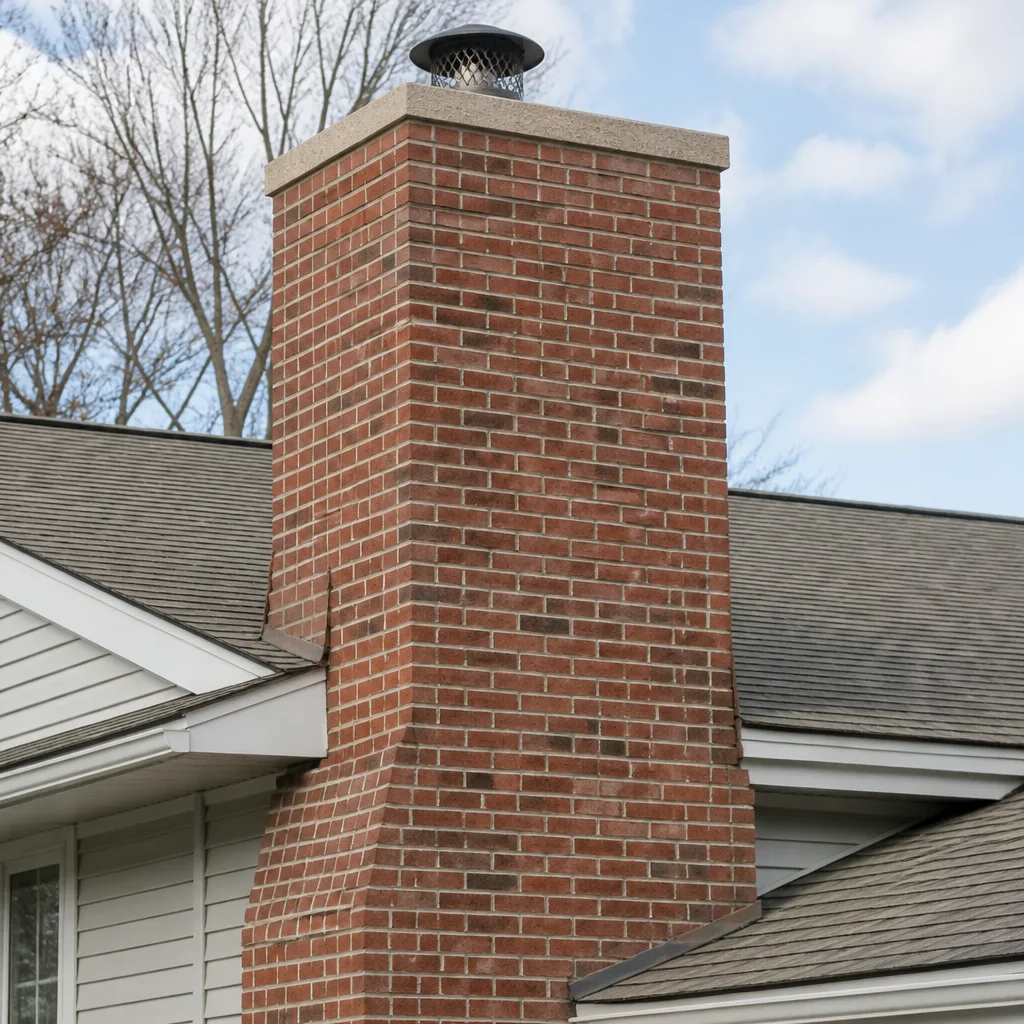 Masonry repair
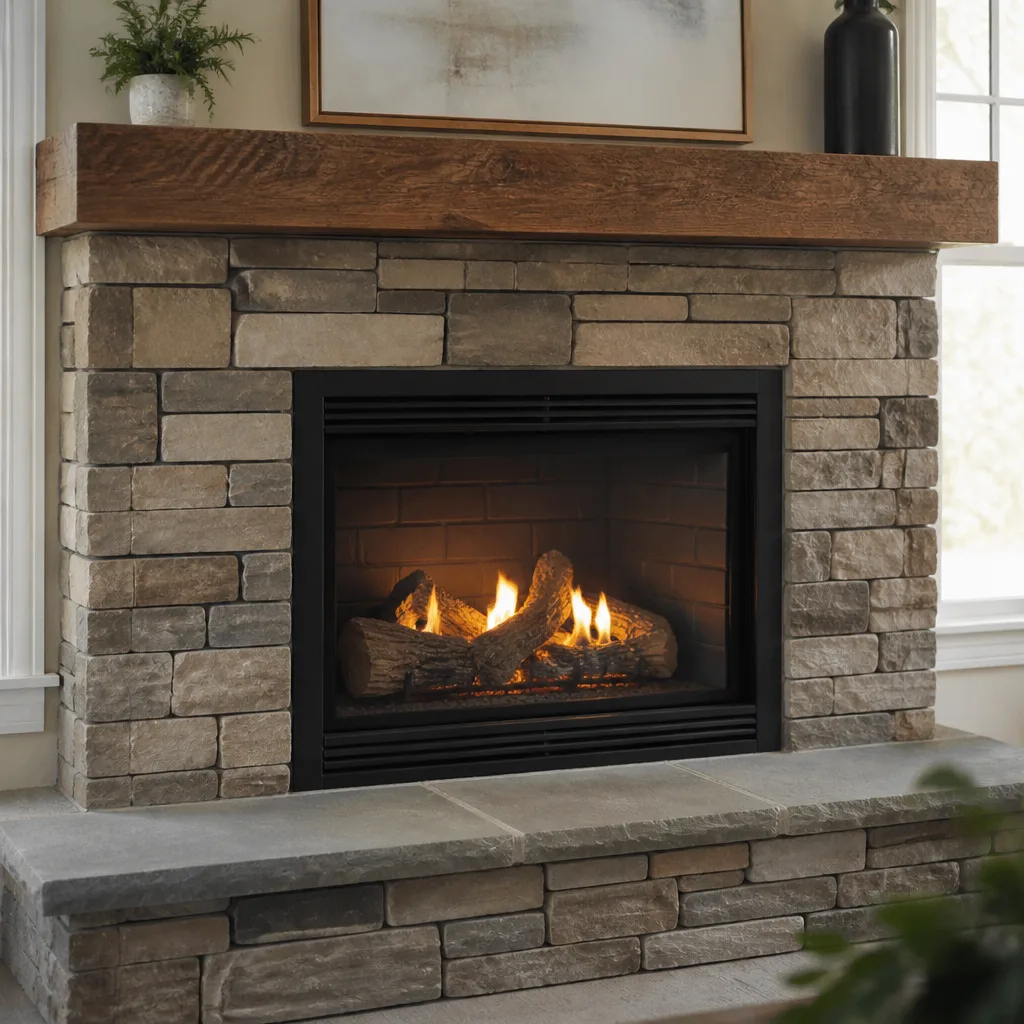 Gas fireplace service
Level 1 sweep and inspection to the NFPA 211 annual standard - flue, crown, cap, and flashing checked and photographed
Chimney sweep logs do not sweep chimneys. They loosen some creosote - which then falls where a brush and vacuum still have to collect it.
Chimney Cleaning Permits, Codes & Inspections in Tooele, UT: What You Need to Know
Most homeowners assume the hard part of chimney work is the sweeping. It isn’t. The line that catches people is the one between cleaning and repair. A sweep is maintenance, and maintenance needs no permit. Replacing a crown, dropping in a new liner or rebuilding a firebox is construction, and in most Utah jurisdictions that work is supposed to be permitted. Plenty of chimney work in Tooele gets done without documentation, and the consequences surface years later at a home sale or an insurance claim. This guide explains where that line sits, what NFPA 211 requires, and the questions to ask before you authorize anything beyond a cleaning.
Quick Answer
Routine chimney sweeping and inspection in Tooele need no permit. Structural chimney work does, usually: liner replacement, crown reconstruction and firebox rebuilding all count as repairs or alterations under Utah’s adopted building code, and most Tooele County jurisdictions expect a permit for them. If a technician proposes anything beyond cleaning, ask what permit the job requires and who is filing it before you say yes.
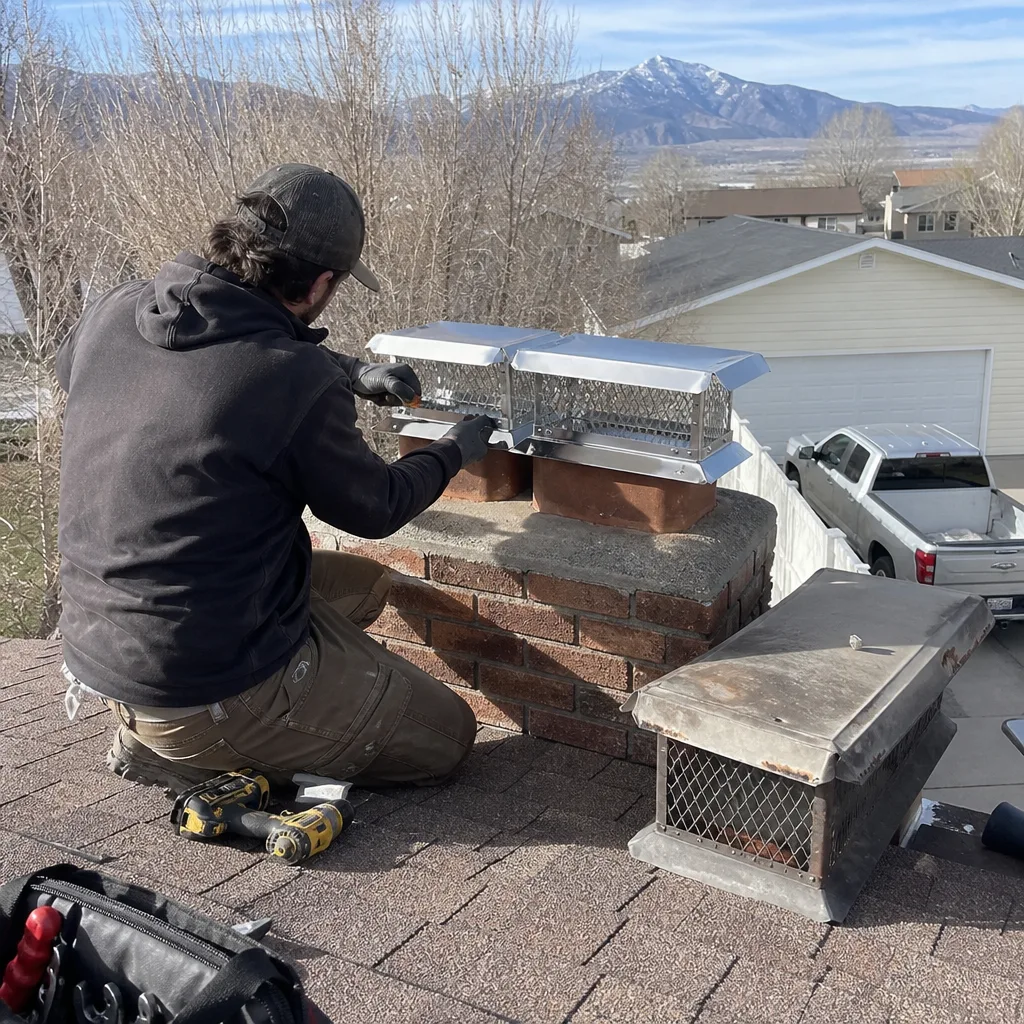
Styles & brands we work with
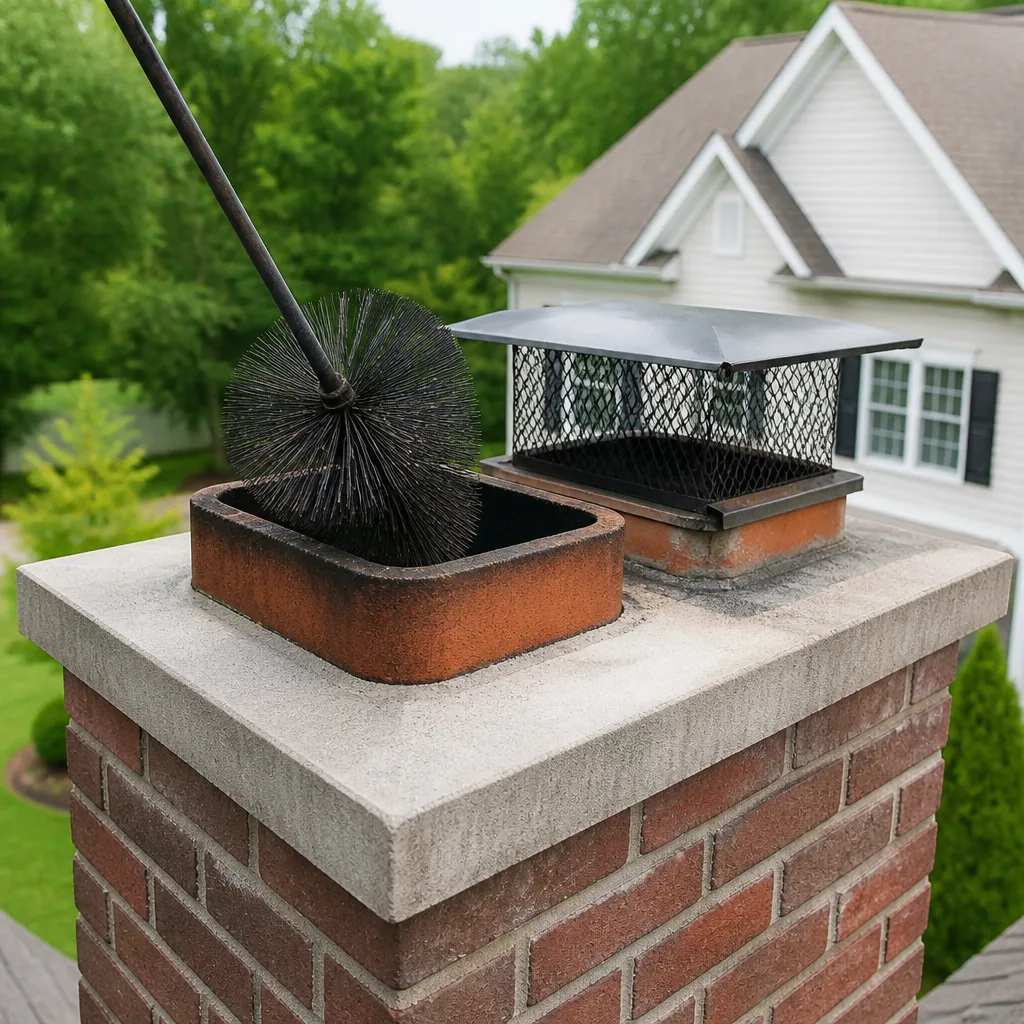
- Sweep & inspection
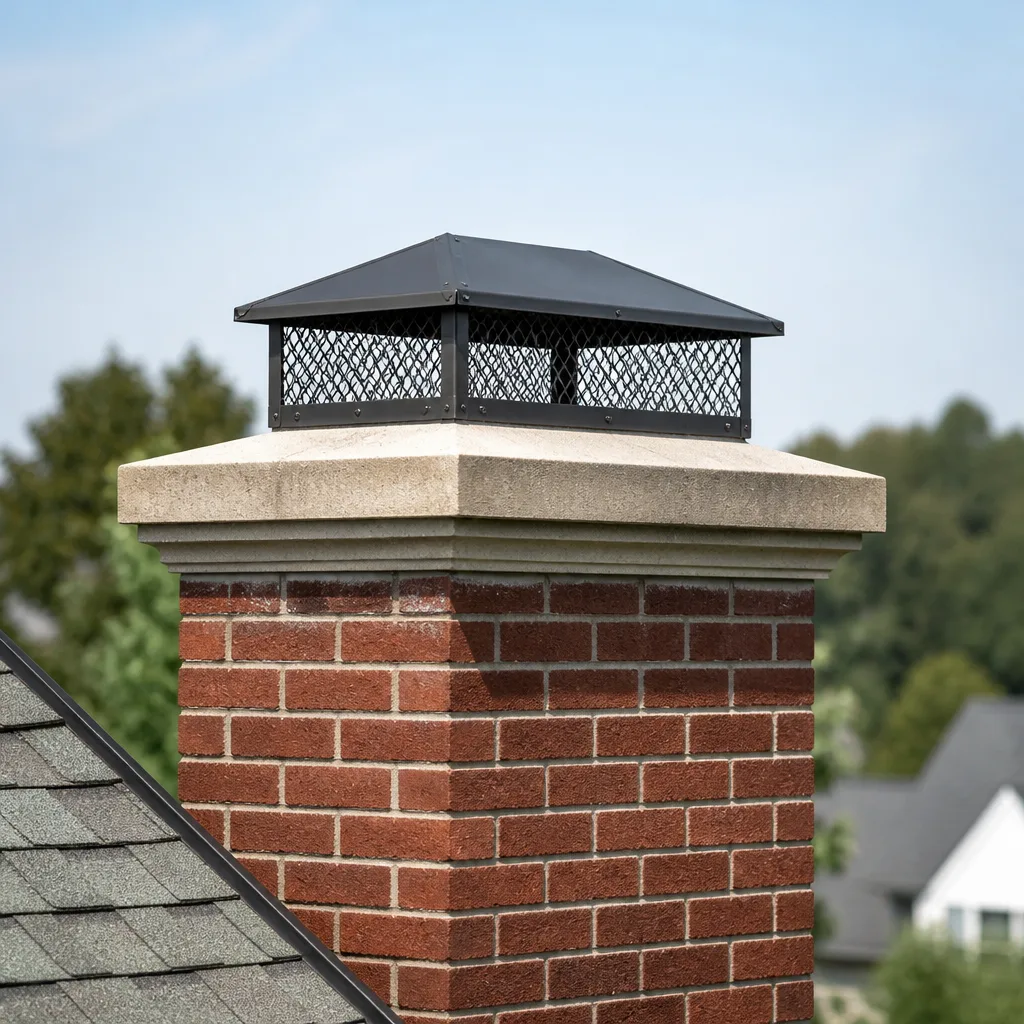
- Caps & crowns
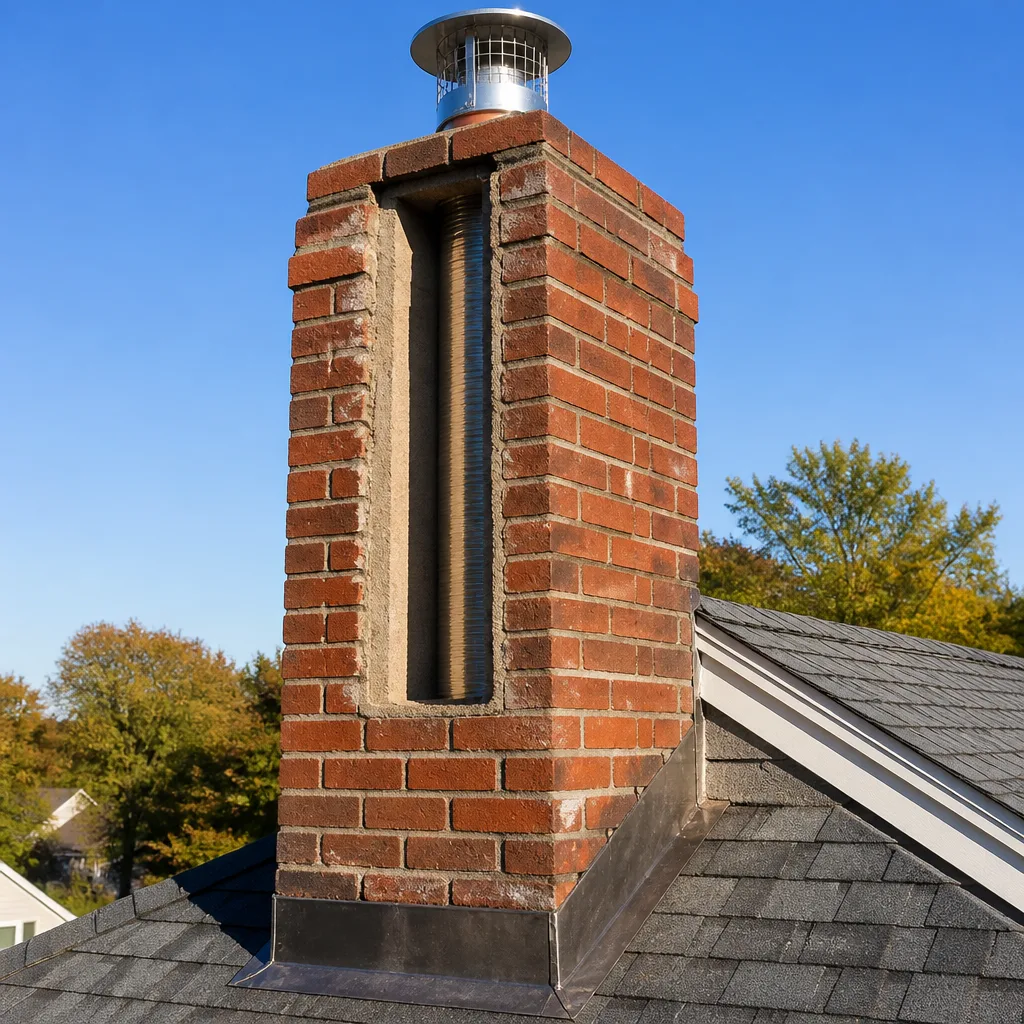
- Flue relining
- Masonry repair
- Gas fireplace service
Table of Contents
- Maintenance vs. repair: where the permit line actually sits
- Which chimney services cross into permit territory
- What NFPA 211 requires, and why inspectors care
- How unpermitted work complicates an insurance claim
- What unpermitted chimney work does to a home sale
- The three inspection levels and when each applies
- What to ask before authorizing work beyond cleaning
- Why Tooele’s climate makes this matter more
Maintenance vs. Repair: Where the Permit Line Actually Sits
A chimney sweep in Tooele is not a building project. Cleaning the flue, checking the damper, brushing creosote off the smoke chamber and removing soot are all maintenance. They don’t change the structure, they don’t add or remove components, and they don’t trigger a permit in any jurisdiction we’ve worked in.
Repair is different. Under the International Residential Code, which Utah adopts statewide with local amendments layered on top, a “repair” is the reconstruction or renewal of any part of an existing structure. A chimney is a structure. When you renew a crown, replace a liner or rebuild mortar joints, you’ve crossed into repair, and repair work on a chimney system generally falls under building permit rules.
The practical test we use is simple: does the work change something, or restore it?
- Cleaning and inspection: no permit. The chimney stays exactly as it was, just cleaner and better documented.
- Component replacement or reconstruction: usually permit territory. The chimney gets a new part or a rebuilt section, and the work is visible to whoever inspects the house later.
- Cosmetic touch-ups: coverage depends on the jurisdiction. A small mortar patch near the top may not need a permit; a repoint of the whole crown-side mortar joint usually does.
Tooele County has grown fast over the last several years, and with that growth has come more chimney work, more contractors, and more ambiguity about what’s expected. We’ve seen jobs where a homeowner was told “we don’t need permits for chimneys here” and took it at face value. That’s not a safe assumption. Call your city or county building department and ask. The answer takes five minutes and it protects you at resale. The point of a Chimney Sweep Tooele visit is to catch problems, not to skip the paperwork.
Which Chimney Services Cross Into Permit Territory
Not every chimney repair needs a permit, and not every sweep knows where the line is. In our experience, three categories of work most often cross it, and they’re the three homeowners authorize most casually.
1. Liner replacement
A full stainless reline – installing a new flue pipe inside the old masonry chase – is a structural alteration. It changes the chimney’s internal geometry, requires proper clearance to combustibles, and in most Utah jurisdictions the work is expected to be permitted and inspected. This is the most common permit-triggering chimney job we see.
2. Crown reconstruction
The crown is the concrete cap on top of the chimney. When a crown cracks and lets water in, the usual fix is a rebuild – forming and pouring a new crown over the masonry. That’s a structural repair. Most jurisdictions want a permit for it, especially if the rebuild involves re-flashing or any change to the chimney’s footprint.
3. Firebox rebuilding
A firebox that’s spalled, cracked or missing firebrick sometimes needs a full rebuild, which means replacing refractory masonry and resetting the box. That’s structural work and it usually requires a permit. Patching individual cracks with refractory mortar is often treated as maintenance, but full rebuilds are not.
What about HeatShield ceramic liner restoration? That’s an interesting middle case. HeatShield works by resurfacing an existing liner, not replacing it, so many jurisdictions treat it differently from a full reline. Whether it needs a permit depends on your local building official, and the right answer is to ask rather than assume. We’ve done our share of chimney repair and we always confirm with the jurisdiction before starting work that could be read either way.
What NFPA 211 Requires, and Why Inspectors Care
NFPA 211 is the Standard for Chimneys, Fireplaces, Vents and Solid Fuel-Burning Appliances. It’s the reference standard that inspectors and chimney professionals rely on when a question about clearances, liner integrity or venting comes up. It’s not a building code itself, but it’s what the code references, and it’s what a competent inspector will cite when something’s wrong.
The parts of NFPA 211 that matter most for Tooele homeowners:
- Clearances to combustibles. Chimneys have to maintain specified clearance to wood framing, wallboard and other combustible material. Most modern installations hold those clearances. Older Tooele homes don’t always, and the gap is often invisible until someone looks with a camera.
- Liner integrity. Every masonry chimney has to have a continuous, unbroken liner – clay tile, stainless, or a sprayed ceramic like those from HeatShield. Gaps, cracks or missing tiles count as a deficiency, not a cosmetic issue.
- Venting capacity. A chimney that’s too large for the appliance it serves drafts poorly. Too small, and it can’t carry the flue gases. NFPA 211 has sizing guidance, and a technician who knows how to check it can tell you whether your chimney is properly matched to your fireplace or stove.
- Cap and crown requirements. The standard addresses what a chimney needs on top to shed water and keep precipitation and animals out. A missing cap is a code deficiency, not just an inconvenience.
When a home inspector flags your chimney, they’re usually citing NFPA 211 language. Our technicians have up to 12 years of experience evaluating exactly these conditions. If an inspector has told you something needs attention, a chimney sweep with camera gear can confirm what’s actually wrong before you go spending money on repairs.
How Unpermitted Work Complicates an Insurance Claim
Here’s where unpermitted chimney work really bites. Chimney fires are rare, but they do happen in Tooele, usually after a long stretch of burning poorly seasoned wood or skipping a few seasons of sweeping. When a chimney fire damages the flue or the wall around it, the insurance claim asks a simple question: was the chimney in a proper condition to be burning in the first place?
An adjuster will look at whether the chimney system, as installed, met code. If a liner was replaced years earlier without a permit, there’s no inspection record confirming the installation was correct. That can be enough to slow a claim, complicate a payout or trigger a back-and-forth that lasts months. This scenario plays out in Utah more often than most people realize.
The pattern is predictable:
- A liner was replaced during a repair the owner didn’t know needed a permit.
- The installer left no documentation, no inspection record and no permitted work on file.
- A chimney fire damages the flue or nearby structure.
- The claim is questioned because there’s no evidence the liner was correctly installed.
The fix is straightforward. If chimney work is proposed in your Tooele home, ask whether it requires a permit, and ask who’s pulling it. Legitimate chimney contractors will answer without hesitation. An undocumented rebuild doesn’t just cause insurance friction – it also complicates a future home sale, which we cover below.
What Unpermitted Chimney Work Does to a Home Sale
Utah residential purchase contracts usually require disclosures of unpermitted work. That disclosure is a question, and if there’s no paper trail, the honest answer is “I don’t know.” Buyers and their agents treat that as a red flag on a chimney.
The good news is that most permit-triggering chimney work in Utah is fairly cheap to permit relative to the job itself. Cedar roofs, whole-house rewires and additions carry big permit costs; a chimney crown or a liner is not in that league. That detail matters when someone is being told the permit isn’t worth the trouble. For Tooele homeowners, the risk of the disclosure headache is much bigger than the permit itself.
If you’ve already got unpermitted work in your history, don’t panic. Talk to your Tooele building department about the possibility of retroactive permitting or documentation. Then get an inspection from a chimney specialist that includes photos – a camera inspection is what lets everyone see the actual condition, including a buyer’s inspector, without a contractor’s word being the only thing on the record.
When the inspection shows something beyond cleaning needs to happen, a fireplace repair visit can assess the scope and tell you whether a permit is required before any work goes forward. That sequence matters: inspect first, document, then decide what to authorize.
The Three Inspection Levels and When Each Applies
Chimney inspections come in three recognized levels, and knowing which one you need is the difference between paying for what you need and paying for what you don’t. The levels come from NFPA 211, and most reputable chimney professionals will tell you exactly which one you’re getting.
Level 1 – Standard inspection. A visual check of the accessible parts of the chimney and firebox, usually done alongside an annual sweeping. This is what you want if nothing has changed and there’s no known problem. It’s the baseline for routine maintenance in Tooele.
Level 2 – Accessible inspection. This is what most real estate transactions need, and what many Tooele home inspectors will ask for if a chimney’s condition is unclear. It uses a camera to see inside the flue. It’s also the right level if the appliance has changed, if there’s been a structural event (earthquake, storm damage), or if the previous installation is unknown.
Level 3 – Invasive inspection. This is what happens when Level 1 and Level 2 turn up something serious and the fix requires opening up parts of the chimney or accessing concealed spaces. It’s rare. It’s also expensive compared to the first two levels, and it should only be recommended when there’s a specific reason to suspect concealed damage.
If someone tells you your Tooele home needs a Level 3 inspection without having done a Level 2 first, ask why. It’s usually either a genuine safety issue that showed up on camera or a very expensive upsell. Asking that question is the difference.
What to Ask Before Authorizing Work Beyond Cleaning
The best way to stay on the right side of Tooele code is to ask the right questions before you sign anything. These aren’t tricky. They just need to be asked before a technician picks up a brush or a trowel.
- Is the work you’re proposing maintenance or repair? If they say “it’s just a fix,” ask them to be specific. A component replacement, a reconstruction or a rebuild is repair, and most repair requires a permit.
- Does this need a permit in my jurisdiction? Tooele has a mix of older neighborhoods where the rules are well established and newer growth areas where amendments have shifted. A technician who works here regularly will know to ask.
- Are you pulling the permit, or am I? Ask before you authorize. Some contractors pull, some expect the homeowner to. Either way, someone needs to.
- What documentation will you leave? A work order, a photo set, an inspection record and a permit number – if there’s a permit, ask for the number.
- Can you show me what you saw on camera? This is the most important question. Any repair recommendation should come with images you can look at yourself, not just a verbal description.
- What happens if I wait on this? Some issues are urgent. Some can safely wait a season. A technician willing to say “this can wait until spring” is the one you should trust with the ones that can’t.
Our technicians use clearly branded materials, and we work with Gelco and Olympia Chimney for the components that have to last. Any of those choices come after the inspection, not as a first line of defense.
Why Tooele’s Climate Makes This Matter More
Tooele sits in a high desert valley west of the Oquirrh Mountains, and the climate does real work on chimney systems. Winters are cold and long enough that burning season runs from October into April in most years. The swings between warm days and freezing nights put repeated stress on masonry at the crown, which is where most cracking starts. Spring thaw cycles get water into the smallest cracks and then freeze it – that freeze/thaw cycling is the single most reliable source of crown and mortar damage in Tooele.
The valley also sees its share of high winds coming off the mountains and off the Great Salt Lake basin during certain seasons. Wind-driven rain gets inside chimney caps when caps are missing or badly fitted. From our side of the work, we see more water damage in Tooele than we see creosote damage. Both matter – creosote is the fire risk, water is the structural decay – but the water side is more common here.
That climate makes the cap and crown part of the code conversation. A properly fitted Famco or Olympia Chimney cap, paired with a crown that actually sheds water, is doing real structural work – keeping moisture out of masonry that would otherwise be freezing, thawing and cracking season after season. It’s not decoration. It’s the difference between a chimney that lasts its full design life and one that gets rebuilt too early.
An annual chimney sweep in Tooele catches most of these things before they become structural. A crown that’s starting to crack gets repointed while it’s cheap. A missing cap gets replaced. A flue that’s showing signs of trouble gets camera-inspected before there’s any guessing about what’s inside.
Common Mistakes to Avoid
- Assuming chimneys never need permits in Tooele. Some technicians will tell you chimney work is exempt. It isn’t. Ask the building department directly if you’re unsure. The cost of the call is zero.
- Letting a sweep replace a liner without documentation. A new flue liner installed without a permit or a photo record is a landmine for an insurance claim or a future home sale. Insist on the paperwork.
- Skipping the camera inspection. A verbal opinion about what’s inside a flue tells you nothing. A camera followed by a photo report lets you see what’s actually there. If a technician won’t show you the images, that’s a conversation to end.
- Authorizing crown work without checking the flashings. Tooele wind and rain finds its way under a new crown if the flashing isn’t inspected at the same time. Rebuilt crowns over poorly flashed chimneys fail again in a few seasons.
- Treating a Level 2 inspection as a Level 3 upsell. In our world, the levels are specific and defined. If you’re being told you need a Level 3 without a Level 2 first, ask a different technician.
- Doing liner work as a “fix” before the draft is checked. Replacing a liner without checking whether the chimney and appliance size actually match can make drafting worse. The inspection comes first, always.
- Waiting years between sweeps in a valley with long burning season. Tooele’s cold winters mean creosote builds up faster than in mild climates. A yearly sweep is maintenance; a four-year gap is a repair waiting to happen.
See the difference
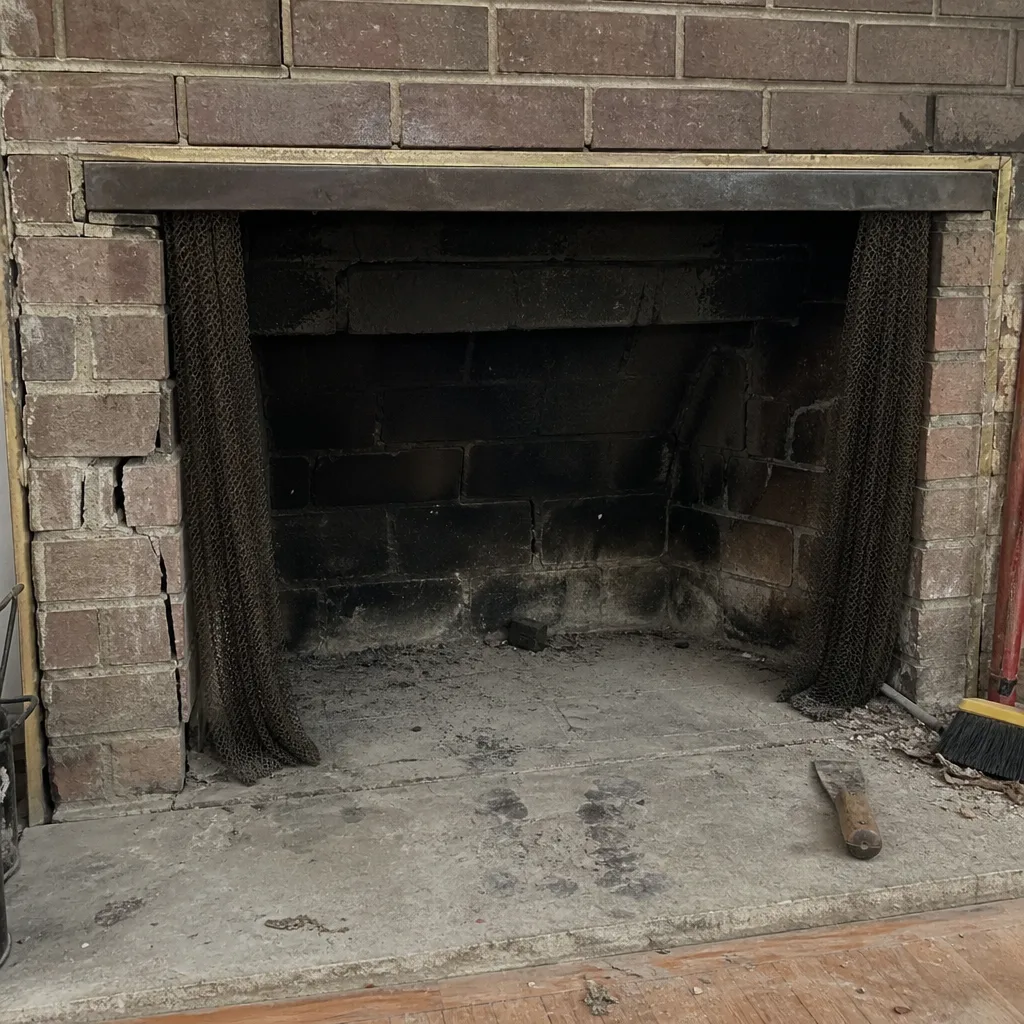 Before
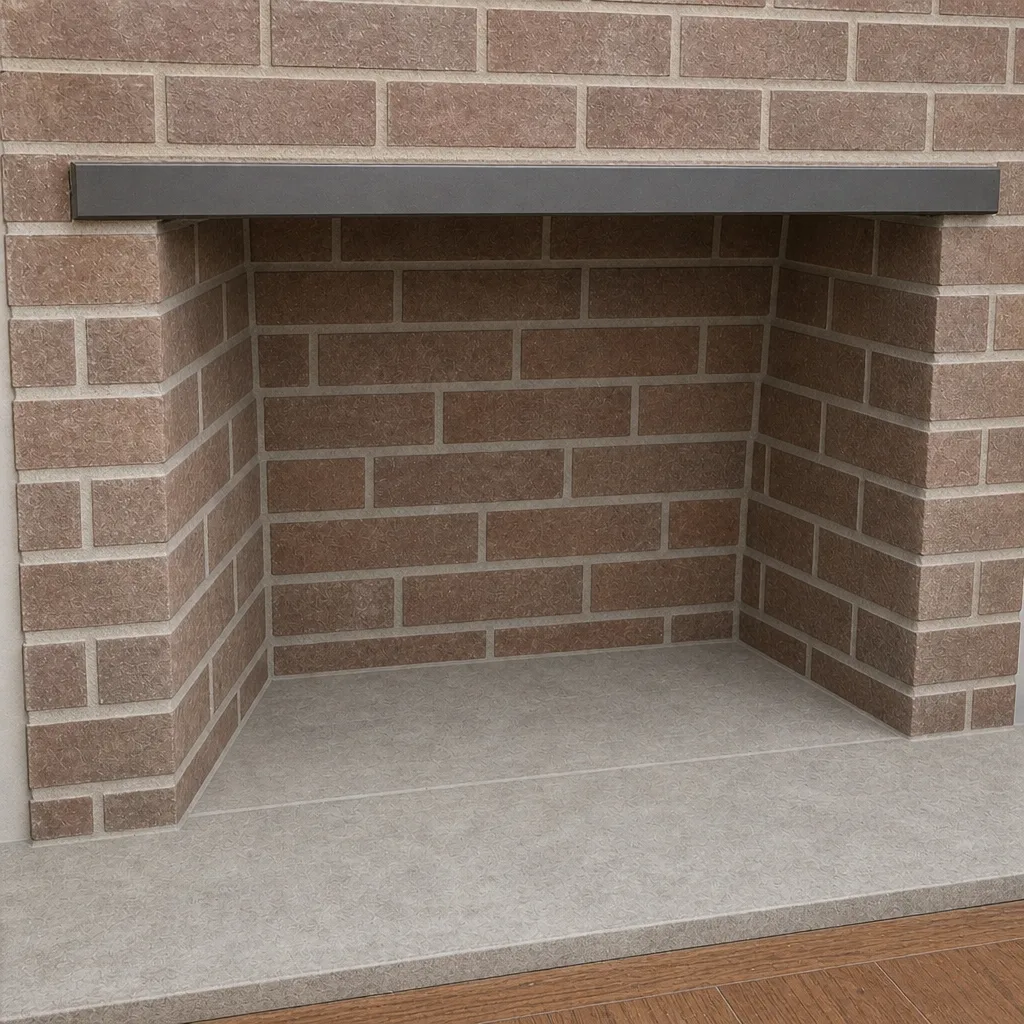 After
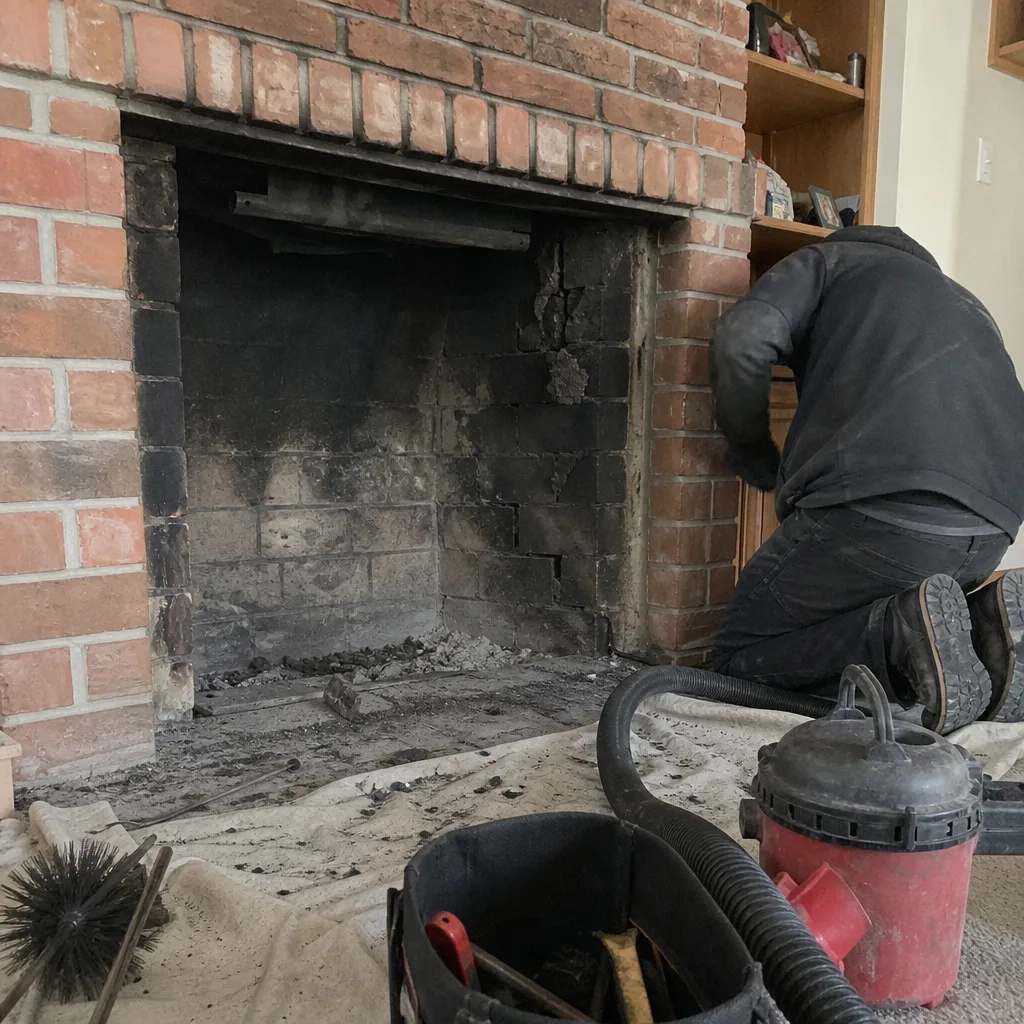 Before
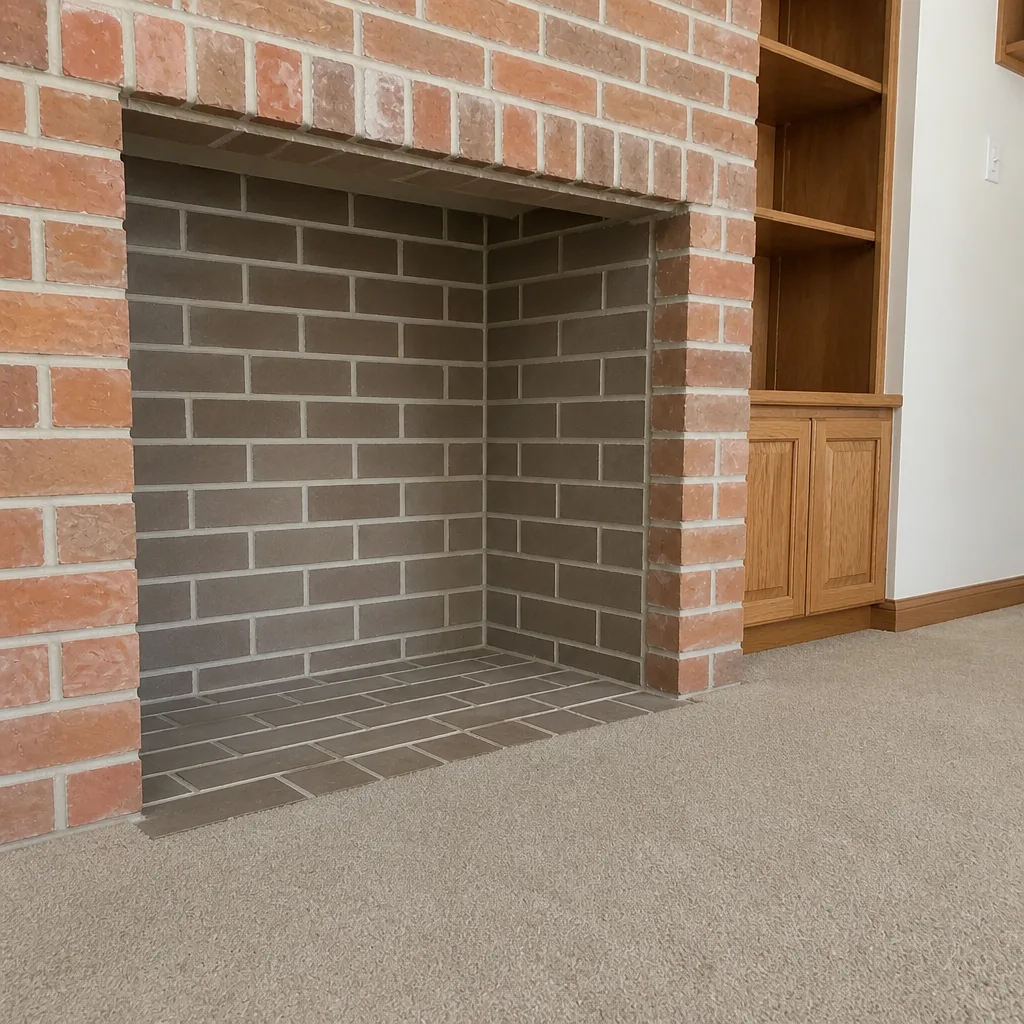 After
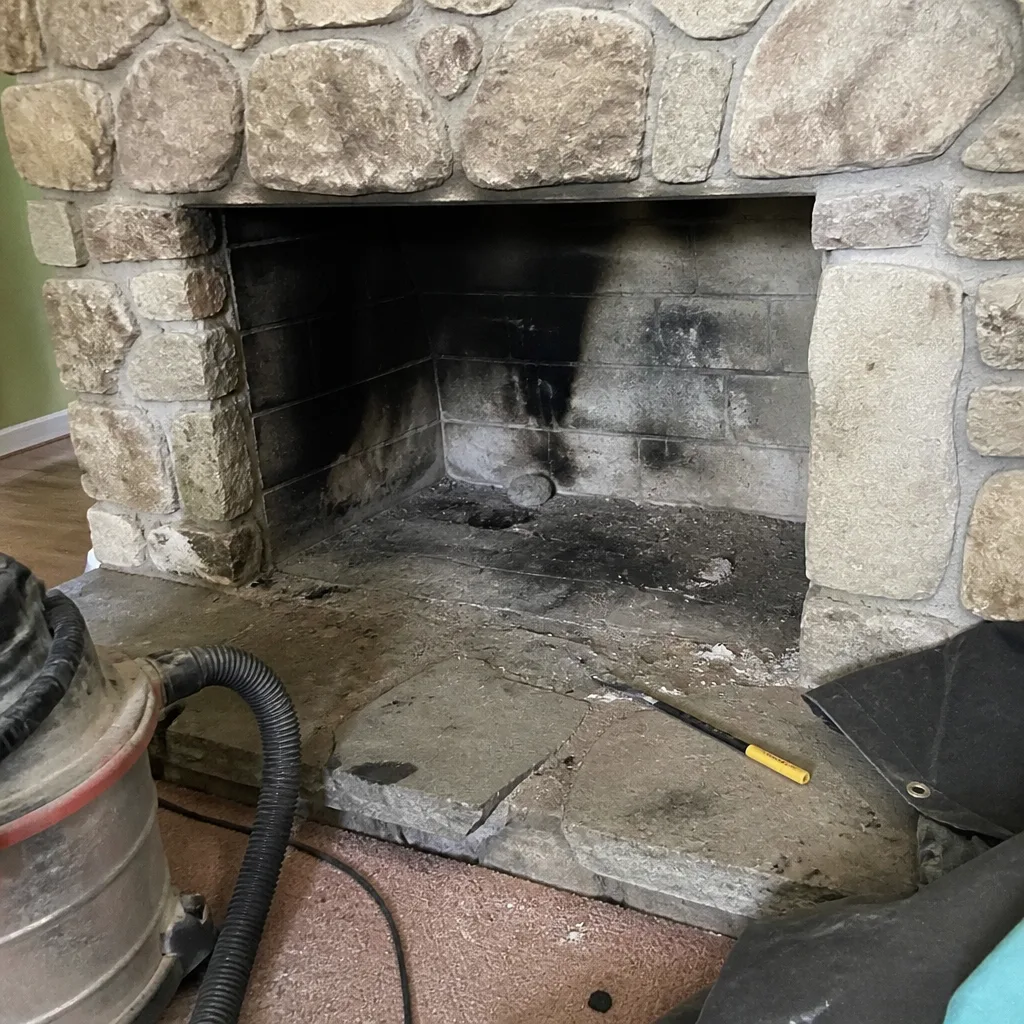 Before
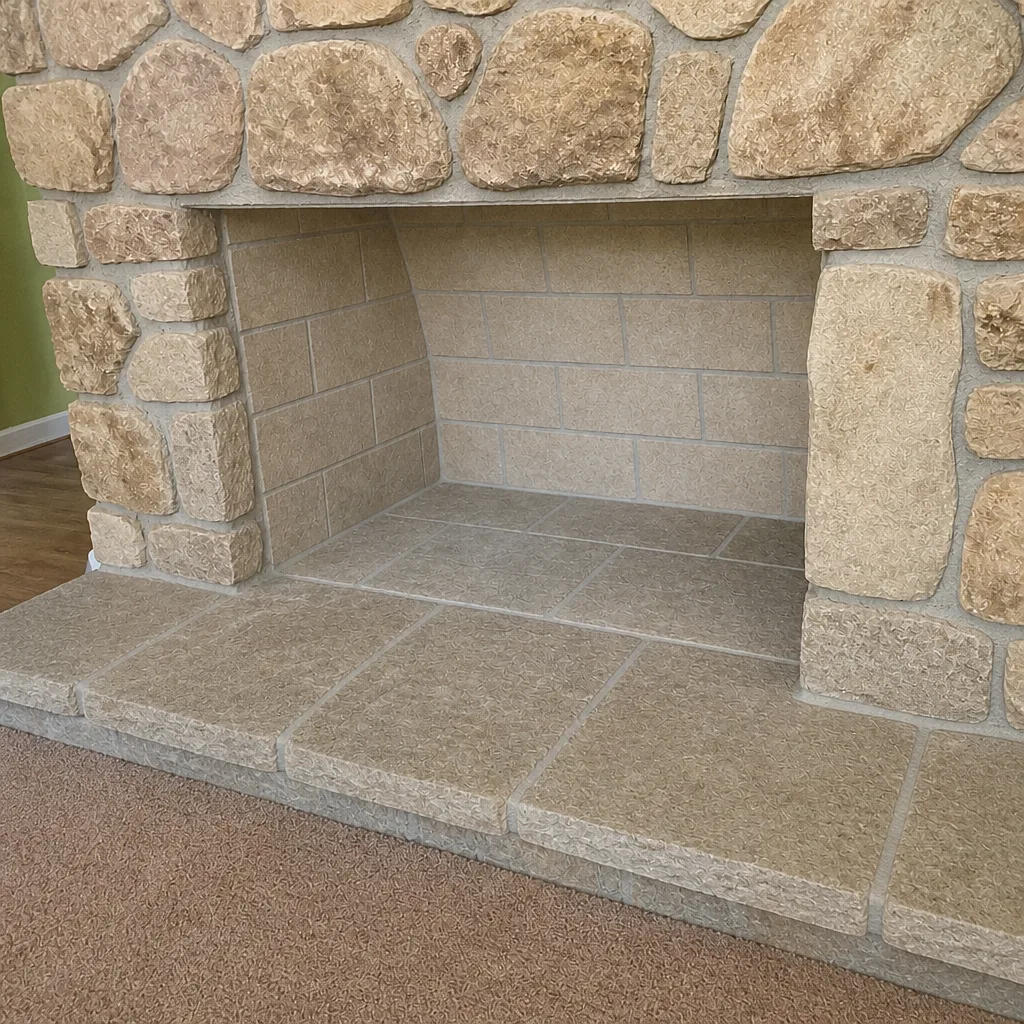 After
When to Call a Professional
Some things are maintenance. Some need a specialist. Call us if a home inspector has flagged your chimney, if you’ve just bought a Tooele home and have no service history, if it’s been several seasons since a sweep, or if your carbon monoxide detector has ever gone off while a fireplace was burning. Call us before authorizing any repair that involves a liner, a crown or a firebox – we can confirm whether the job is necessary and whether a permit is required before anything gets touched. Chimney Sweep Tooele offers free estimates in Tooele – call (877) 792-7216. We answer 24/7. Fast dispatch from 7am to 7pm, Sunday through Friday.
Frequently Asked Questions
A standard chimney sweeping in Tooele typically runs a modest amount and is quoted as a flat price before the sweep is booked. The written estimate sets the final figure. Inspections and repairs are priced separately, and requiring a permit adds a jurisdiction fee that isn’t part of our estimate. Call (877) 792-7216 for an exact quote – estimates are free.
Most structural chimney repairs in Tooele do require a permit, though the exact answer depends on the specific work and your jurisdiction. Cleaning doesn’t. Liner replacement, crown rebuilding and firebox reconstruction usually do. The practical step is to ask your Tooele building department before authorizing the job. Call (877) 792-7216 if you’d like us to help you figure out what your repair likely involves first.
Once a year, and in Tooele that’s a reasonable baseline given how long the burning season runs. Homeowners burning heavily – wood stoves running most evenings through winter – often need it more often. Homeowners running a gas fireplace with infrequent use may go slightly longer. Call (877) 792-7216 to schedule a sweep or to ask whether your usage pattern needs a shorter interval.
Creosote builds up in the flue, and at higher concentrations it becomes flammable. A chimney fire can damage the flue liner or the surrounding structure, and in some cases it escalates into the wall cavity. Missing a sweep for a single season isn’t a disaster; skipping several seasons in a Tooele winter isn’t worth the risk. Call (877) 792-7216 if you’re overdue.
It depends on the jurisdiction. HeatShield is a ceramic resurfacing of the existing liner rather than a replacement, so many building departments treat it differently from a full reline. Tooele’s answer is the one that matters; the right move is to ask your building official. Our technicians can walk you through what the restoration involves so you know what to ask. Call (877) 792-7216 for an assessment first.
You can, but you’ll need to disclose it, and it can complicate the buyer’s inspection and the lender’s review. The cleanest fix is to talk to your Tooele building department about retroactive permitting or documentation before listing. A camera inspection with a photo report documents the condition either way. Call (877) 792-7216 to schedule one.
The Bottom Line
Routine chimney sweeping and inspection in Tooele need no permit. Structural chimney work usually does – liner replacement, crown reconstruction and firebox rebuilding are the three jobs that most often cross the line. NFPA 211 is the standard behind whatever an inspector flags, and it’s the standard we work to when assessing a flue. If a technician proposes anything beyond cleaning, ask what permit is required and who’s pulling it before you authorize. Documentation protects you at insurance time and at resale. A specialist who tells you plainly when work can wait is worth the visit.
If you’ve read this far and you’re still not sure whether your chimney needs work or just a sweep, start with the inspection. Call (877) 792-7216 for a free estimate. We answer 24/7. Fast dispatch from 7am to 7pm, Sunday through Friday.
Written by the team at Chimney Sweep Tooele.