
Last updated November 23, 2026
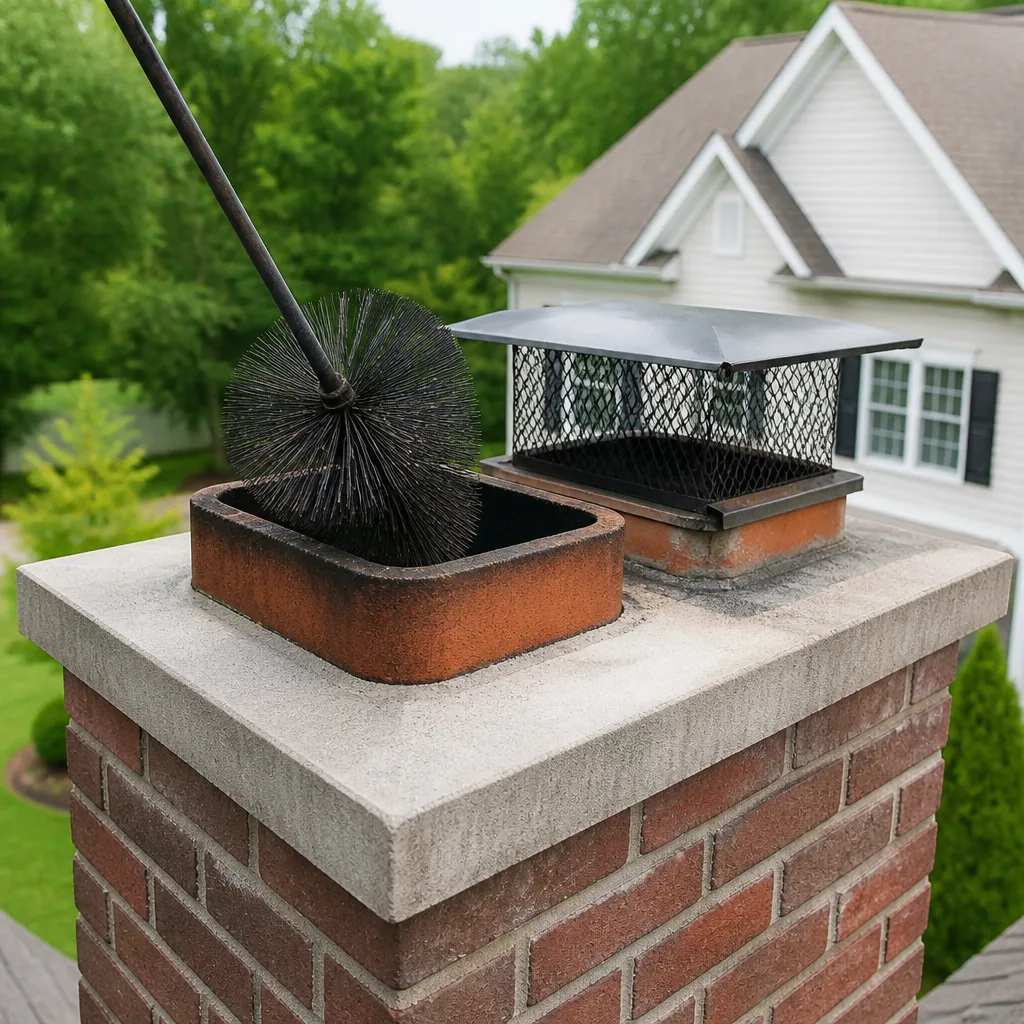 Sweep & inspection
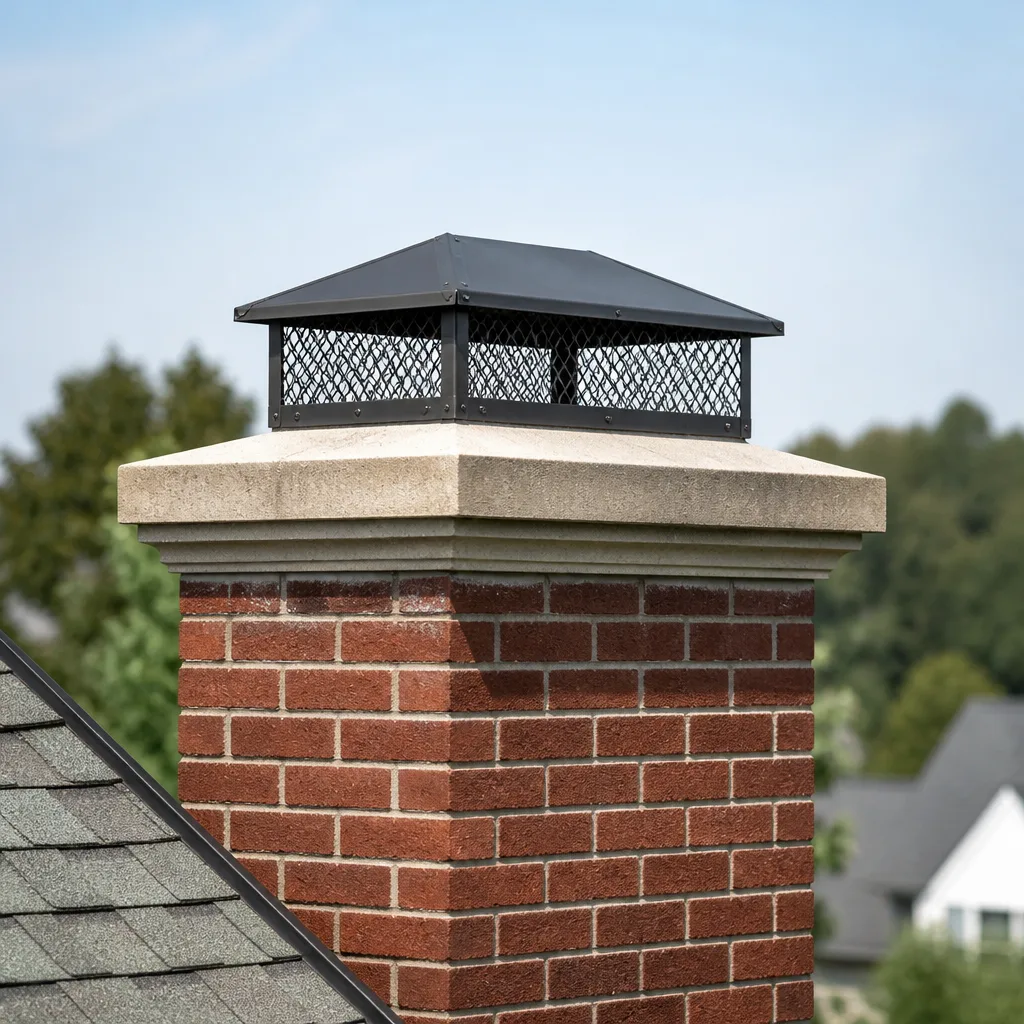 Caps & crowns
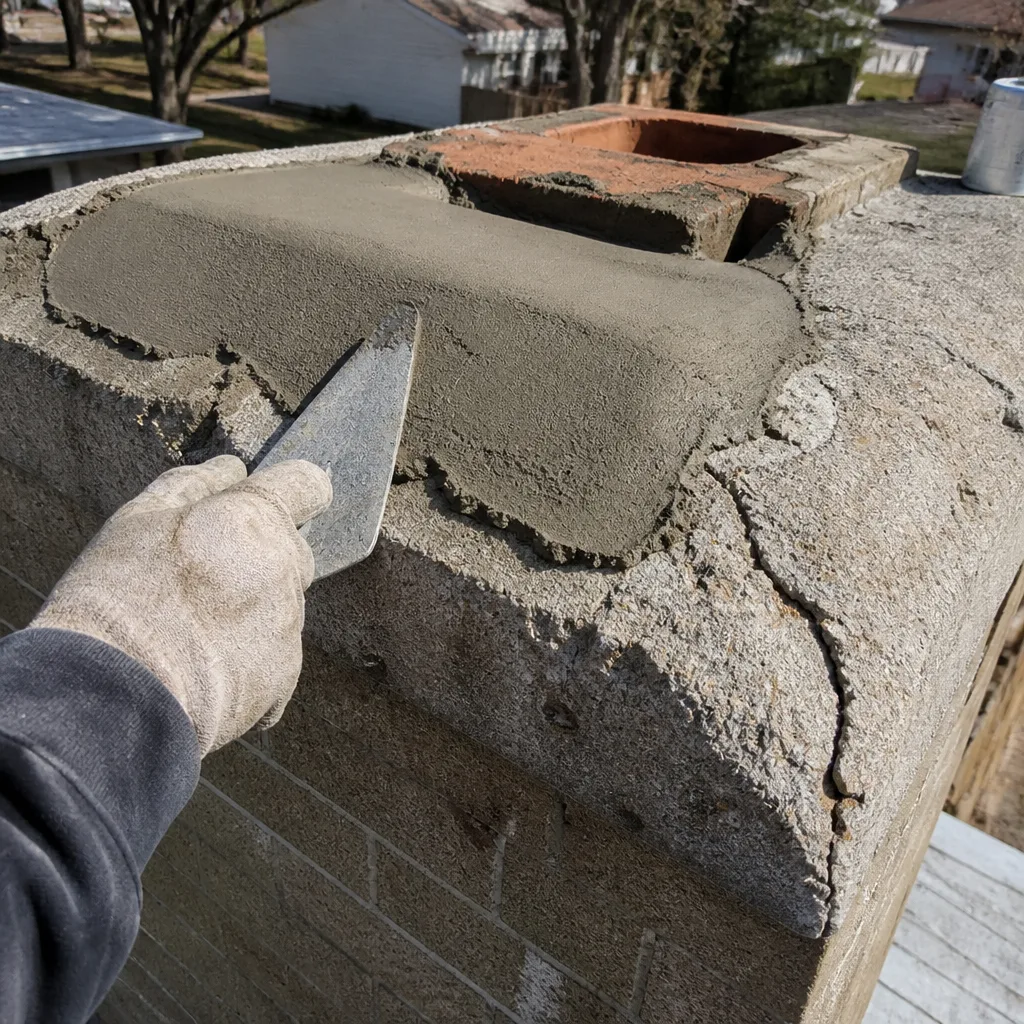
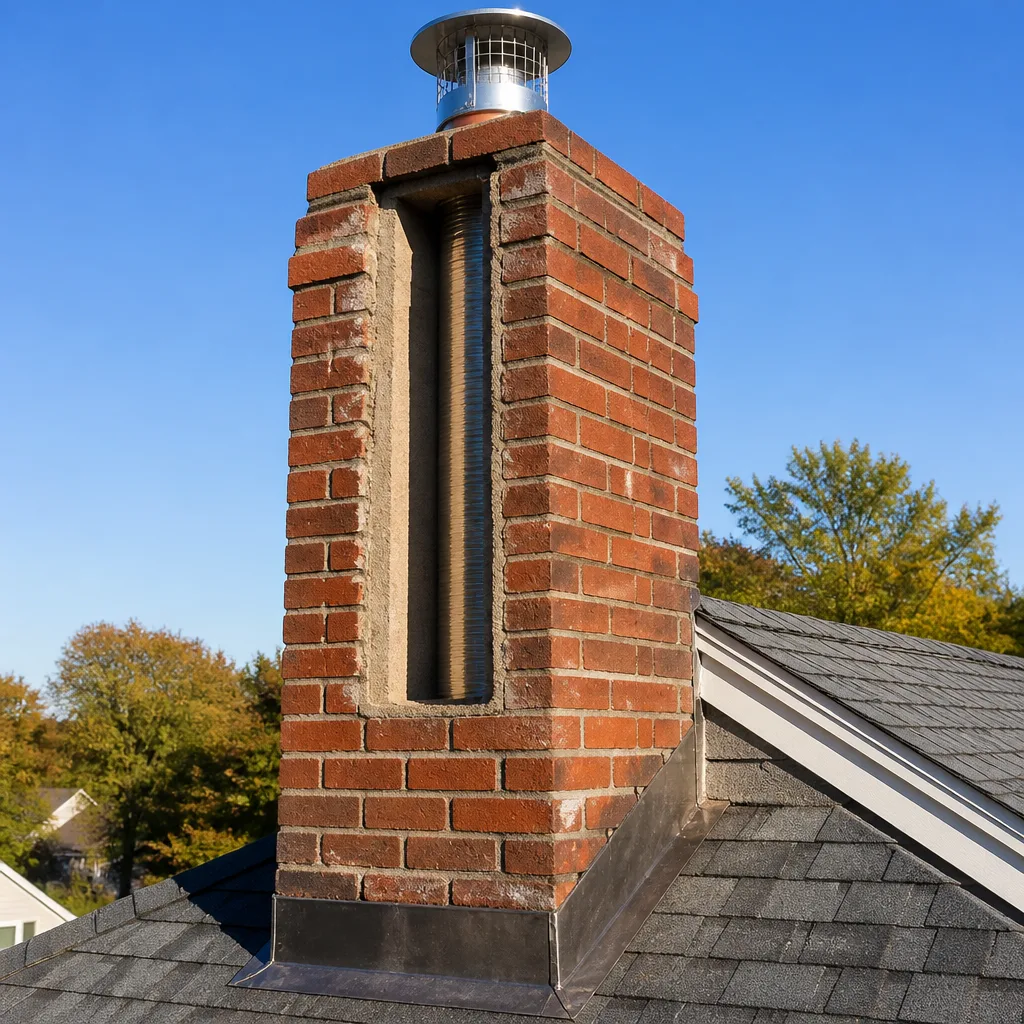 Flue relining
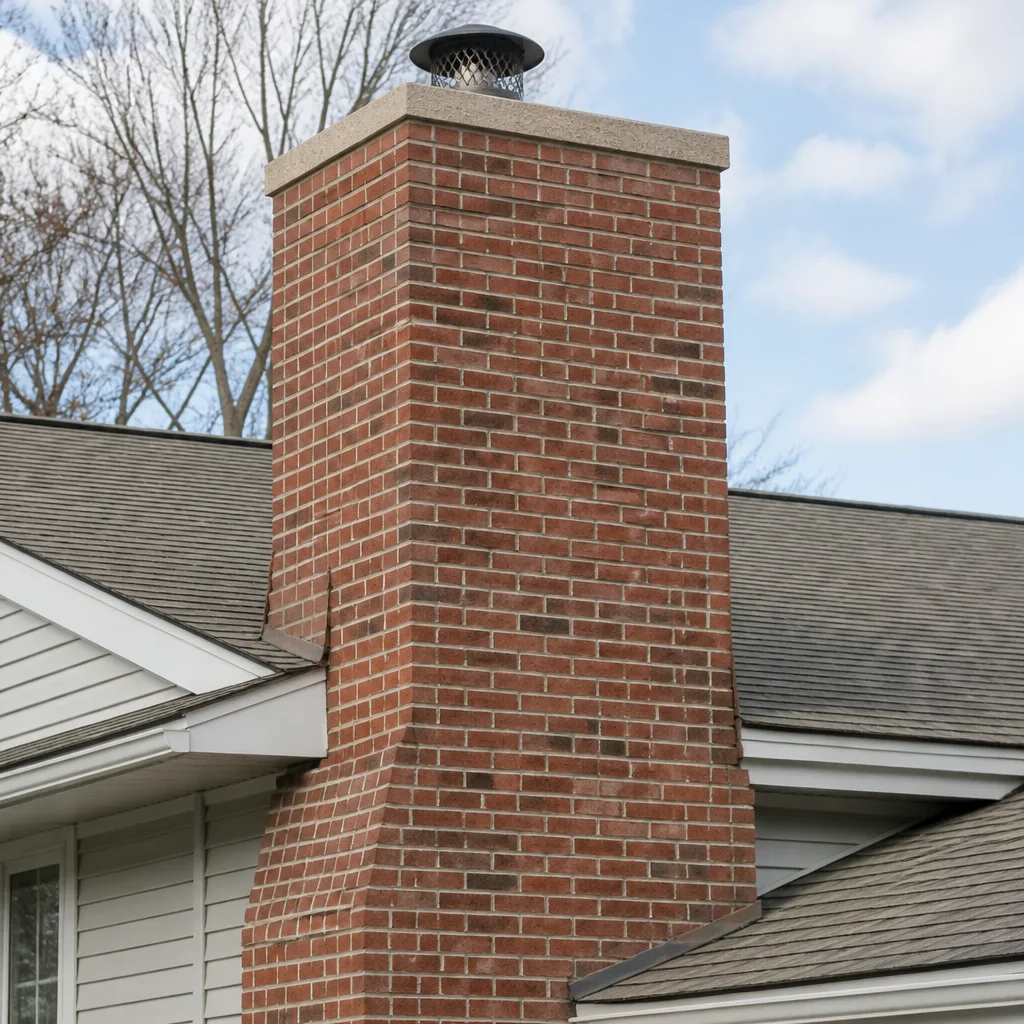 Masonry repair
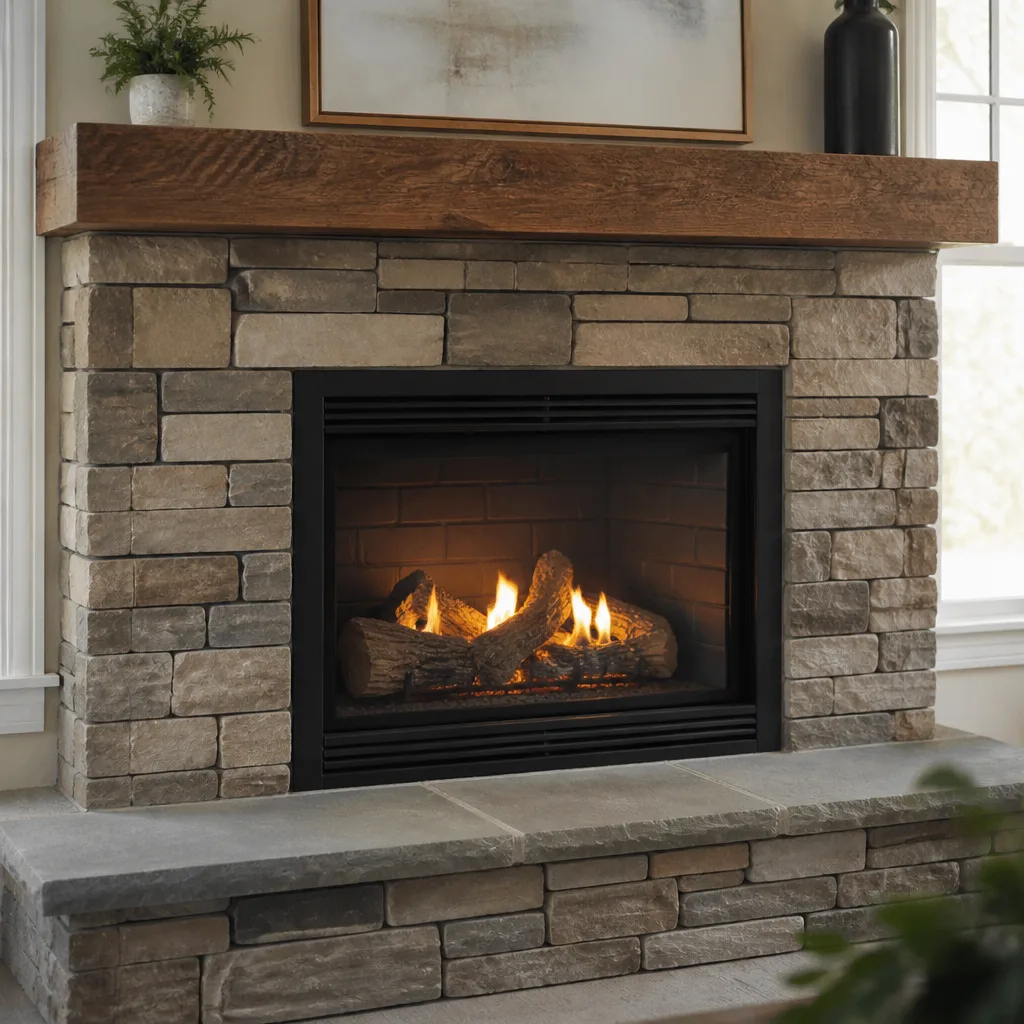 Gas fireplace service
Level 1 sweep and inspection to the NFPA 211 annual standard - flue, crown, cap, and flashing checked and photographed
Chimney sweep logs do not sweep chimneys. They loosen some creosote - which then falls where a brush and vacuum still have to collect it.
Chimney Sweep Maintenance Checklist for Tooele Homeowners
Most chimney checklists get this wrong. They tell you to sweep every fall and call it maintenance, as if the calendar alone decides when your flue needs attention. That’s not how creosote works. The real question isn’t whether you cleaned the chimney last year. It’s whether you burned more than a cord of wood since then, whether any of that wood was green or unseasoned, and whether you noticed a draft change after last February’s cold snap. Any one of those changes the answer. This guide reframes chimney maintenance for Tooele homeowners as a set of observable events you can track without tools, ladders, or a roofing background, and tells you exactly what each observation means.
Quick Answer
A Tooele homeowner should judge sweep timing by usage, not just the calendar: more than one cord of wood burned, any green or unseasoned wood, or a change in draft or smoke behavior all mean the chimney is due regardless of when it was last swept. Year-round, the owner’s job is visual only: watch the firebox, watch the cap and crown from the ground with binoculars, and keep a simple burn log. Everything that involves the roof, the flue interior, or the firebox itself belongs to a trained technician with camera equipment. Annual inspection and sweeping by a chimney specialist remains the baseline for every wood-burning or gas appliance in the home.
Styles & brands we work with
- Sweep & inspection
- Caps & crowns
- Flue relining
- Masonry repair
- Gas fireplace service
Table of Contents
- Why Usage Beats the Calendar: The Real Sweep Triggers
- What You Can Safely Observe From the Firebox Opening
- Wood Moisture and Burn Frequency: The Numbers That Matter
- The Post-Inversion-Season Check for Tooele
- Cap and Crown Inspection From the Ground
- Keeping a Burn Log for the Technician
- The Annual Sequence: A Step-by-Step Maintenance Calendar
- Common Mistakes to Avoid
- When to Call a Professional
Why Usage Beats the Calendar: The Real Sweep Triggers
Sweeping by the calendar alone is a guess. Sweeping by usage is a decision. Creosote accumulates in proportion to how much you burn, how wet the wood was, and how hot the fire ran, not to the month printed on your wall calendar. A household that burns half a cord of dry hardwood in a mild winter and a household that burns three cords of mixed wood through a hard winter should not be on the same schedule, and in Tooele they usually aren’t.
Track these triggers instead. Any single one of them tells you it’s time to book a sweep:
- Cord volume: More than one full cord burned since the last sweep is the simplest trigger. Creosote deposits build measurably faster after that point, especially in a flue that has gone a full season without service.
- Any unseasoned wood: Even one load of green or wet wood changes the picture. It burns cooler, produces more smoke, and leaves more of the sticky, flammable deposit that sweeping is designed to remove. One burn matters.
- Burn frequency: A fire used most evenings through the cold months is a heavier load than a weekend fire. Frequency combined with cord volume gives you a better signal than either alone.
- A draft change: If the chimney draws differently than it did last season, something has changed in the flue. That’s an inspection trigger, not a wait-and-see.
- Smoke smell or visible smoke in the room: Backdraft, smoky smell on cold mornings, or smoke rolling into the room when you open the damper are all signs the system needs a professional look.
If you can’t answer the cord-volume question because you’ve never tracked it, that alone is a reason to book a professional evaluation. A chimney specialist will read the flue and tell you what the deposit level looks like. When the flue needs real work rather than a sweep, HeatShield ceramic liner restoration is one method we can use to repair a damaged clay liner in eligible cases, which is worth knowing before you assume a full reline is the only answer.
What You Can Safely Observe From the Firebox Opening
You can learn a lot about your chimney without climbing anything. The firebox opening is a diagnostic window. Stand back, use a flashlight, and look at what’s visible. Nothing here requires reaching into the firebox or touching anything inside the flue, and we don’t recommend either.
- Look up at the damper. Open the damper fully and check that it moves freely and seats cleanly. A damper that sticks, is hard to operate, or won’t stay open is a repair item, not a cleaning item. Fireplace repair covers this, and a stuck damper is one of the most common reasons a fire smokes.
- Look at the smoke shelf. Shine the light up past the damper onto the shelf behind it. A heavy build-up of soot and debris there is normal between sweeps, but visible blockage or material hanging down is not. If you can see an obstruction, stop using the fireplace and call.
- Check the firebox walls. Cracked firebrick, crumbling mortar joints, or a white chalky deposit on the walls are all reasons for a professional evaluation. Cracks in the firebox can let heat reach the structure behind it.
- Note the ash level and texture. Fine, powdery ash is normal. Sticky, tar-like residue on the firebox walls signals a burn problem, likely wet wood or a cool, smoldering fire.
- Smell test. A persistent smoky smell from a cold fireplace, especially on mild days, often points to a pressure or draft issue. It doesn’t always mean a blockage, but it always deserves a professional look.
Everything from the damper up is off-limits for a homeowner. Creosote is flammable, and the flue interior is not a place to explore with a flashlight and a ladder. When a fireplace starts smoking, the number one call we take in Tooele is a fireplace repair visit, and often the fix turns out to be a damper, a smoke shelf issue, or a draft problem that a sweep and inspection would have caught first.
Wood Moisture and Burn Frequency: The Numbers That Matter
Wood moisture content is the single most controllable variable in creosote production, and it’s the one most homeowners never measure. Wet wood burns cool. Cool fires produce more smoke and more of the sticky deposit that fuel-air mixing never gets to burn off. You don’t need a lab. A cheap moisture meter from a hardware store will do the job, and the reading tells you more about your chimney’s health than the calendar ever will.
- What to aim for: Seasoned firewood reads in the teens to about twenty percent on a moisture meter. Wood above that range is contributing to creosote every time it burns.
- When to measure: Split a piece and test the freshly exposed face, not the end grain. Surface readings lie, especially after rain or snow.
- How to season in Tooele: Our high-desert climate dries wood quickly in summer, but fall and winter moisture slows the process. Wood stacked tight, covered on top only, and left to breathe will season better than wood tarped on all sides.
- What “burn frequency” really means: Count your fires. A household running a fire five or six evenings a week is in a completely different category than one that lights up on cold snaps. Both are fine; they need different sweep timing.
Gas fireplace owners aren’t off the hook here, but the concern changes. A gas log set or gas insert produces no creosote in the usual sense, but it still needs an annual inspection for venting, pilot and burner cleanliness, and debris in the flue. Gas appliance maintenance is inspection-driven, not cord-driven, so the calendar trigger does matter more for gas than for wood.
The Post-Inversion-Season Check for Tooele
Tooele’s winters bring heavy air-quality inversion periods, the cold-weather stretches when the valley holds smoke and cold air close to the ground. For chimney owners, the practical consequence is simple: those weeks are the heaviest burn periods of the year, and they’re followed by the season when your chimney has taken its biggest cumulative load. The check that follows the inversion season is the most useful single inspection window on the whole calendar.
After the worst of the cold passes, run through these observations before you let your guard down ahead of spring:
- Outside, look at the crown and cap. Ice, freeze-thaw cycling, and the sheer number of hours a fire ran during inversion season make late-winter damage visible if you look for it. Frost cracks in the crown, a shifted cap, or a damaged spark screen should be logged now, not deferred to fall.
- Inside, look at the firebox and smoke shelf. Compare what you see now to what you saw in October. A sharp increase in soot at the smoke shelf tells you the season was a heavy one and a sweep is due.
- Check for water staining inside the firebox or on the chimney breast. Staining that appeared during the winter means water got in. The most common source is the cap or crown, and letting it sit through spring and summer rains makes the damage worse.
- Note any draft changes after the coldest stretch. If the fireplace drew well in October and draws poorly in March, something changed in the flue during the season.
- Write it all down. The post-inversion observations form the middle page of your burn log and give the technician real data to work from at the next visit.
The theme here applies to the whole system: catch it at inspection, fix it at repair, protect it with the right cap. The post-inversion check is your inspection event. A chimney repair booked in early spring, when damage is fresh and small, is usually a smaller job than the same repair booked the following fall.
Cap and Crown Inspection From the Ground
You don’t need to get on your roof to inspect the top of your chimney. You need a decent pair of binoculars and a clear day. Stand back far enough to see the full chimney, and look at two things: the cap and the crown. These are the two components that decide whether water gets into your chimney, and water is the leading cause of structural chimney damage in every climate, Tooele included.
Here’s what to look for, and what each finding means:
- Hairline cracks in the crown: Normal. Watch them. If they widen visibly from year to year, get them sealed.
- Cracks wider than a hairline, or chunks missing: Call now, not next fall. Every freeze-thaw cycle widens an open crack.
- Rust staining on the cap: The cap is degrading. Rust streaks running down the chimney below a metal cap mean the finish has failed, which leads to corrosion, which leads to a cap that no longer blocks water or animals.
- A leaning, sagging, or missing cap: Call now. A compromised cap is an open flue to rainwater, snowmelt, debris, and wildlife.
- Damaged or missing spark screen or mesh: Call now. Spark screens are a code-relevant safety component on wood-burning chimneys and a wildlife-blocking feature year-round.
- Efflorescence, the white chalky staining on the exterior brick: This is mineral salt pushing out of damp masonry. It’s a sign water is getting in, and it usually points to the crown.
- Moss, dark staining, or soft or spalling brickwork: Water infiltration has been happening for a while. Call a professional.
- Bird nests or debris visibly in the flue opening: Immediate call. Don’t burn until the flue has been cleared and inspected.
Our approach to cap and crown installation is chimney-specific and uses recognized industry components like Olympia Chimney stainless caps and Famco crowns rather than generic hardware-store parts. The right cap matches the flue opening and provides a proper spark screen. The right crown sheds water away from the masonry with the right slope and sealant. Both are dedicated services, not accessories tacked onto a sweep, which is why we list them as one of our five core service categories.
Keeping a Burn Log for the Technician
Every chimney visit gets better when the technician knows exactly what’s happened in the flue since the last one. That’s what a burn log is for. It’s a page or a note on your phone with a handful of entries, and it turns a routine sweep into a targeted inspection.
Here’s a simple log format we recommend to every Tooele customer. Fill in what you can, skip what you don’t know, and keep it where you’ll actually look at it:
- Date of last sweep and inspection. The most important line, and the one most homeowners can’t answer. If you don’t know it, write “unknown” and that becomes an inspection trigger.
- Estimated cords burned since then. Round it; you don’t need decimals. Under one cord, one to two cords, or more than two cords is enough.
- Wood type and moisture reading. Species matters less than moisture. Note if the wood was seasoned and roughly what the meter read.
- Any green or wet wood loads, even one. Circle the date if it was recent. The technician will look harder at the flue in that case.
- Draft changes or smoke events. Note anything that felt off: a fire that smoked on startup, a damper that stuck, a cold fireplace that smelled of smoke.
- Post-inversion observations. One entry per year, listing what you saw at the crown and cap from the ground.
- Weather events worth remembering. High winds, ice storms, anything that could have damaged a cap or crown.
That’s it. Five minutes a year. When you call to book a Chimney Sweep Tooele, hand the log to the technician. The sweep, the inspection, and the camera review all get faster and more accurate when the technician knows your burn history. The whole point of a checklist like this is to make the professional visit more effective, not to replace it.
The Annual Sequence: A Step-by-Step Maintenance Calendar
Here’s the annual rhythm we recommend, in the order it makes sense for a Tooele household. The calendar months are guides, not rules; adjust them to your actual burn season and your observation notes.
Late summer or early fall, before the first fire:
- Book the annual inspection and sweep. Doing this before the first fire means any issue gets found before you need the fireplace.
- Check the cap and crown from the ground with binoculars while the weather is still fine for rooftop work if it turns out to be needed.
- Do a dry run on the damper. Open and close it a few times before you need it under load.
- Inspect your woodpile. Split a piece and check moisture on the freshly exposed face; if it reads wet, plan to source seasoned wood for the season.
During the burn season:
- Log each significant burn stretch. Estimate cord volume at the end of the season.
- Look at the firebox every few weeks. If something looks off, note it rather than digging in.
- Any smoke event in the room is a call trigger, not a wait-and-see.
Late winter, after the inversion season:
- Do the post-inversion check described above. Look at the cap and crown again. Look at the firebox and smoke shelf.
- Book any repair that surfaced in the inspection.
- Book the next annual sweep if you already know the burn volume was high.
Every visit, in every season:
- Sweep: routine flue cleaning with camera inspection.
- Inspect: whole-system review, from cap to firebox.
- Repair: chimney sweep findings addressed with industry-grade materials, including HeatShield where eligible and brands like Gelco and Famco where a repair calls for them.
- Protect: cap and crown installation when either component is failing.
Common Mistakes to Avoid
Here are the missteps we see most often from Tooele homeowners, and how to sidestep them.
- Treating the calendar as the only trigger. A light burner and a heavy burner on the same annual schedule don’t get the same protection. Let usage drive the decision.
- Using wet wood because it’s what’s in the pile. Wet wood burns cool and produces more creosote. Test before you burn, especially for anything you’re not sure about.
- Assuming the cap and crown are someone else’s job. They aren’t. Water infiltration is the leading structural problem on chimneys, and it starts at the top. Do the binocular inspection every year, at minimum, and after the worst of winter.
- Ignoring a draft change. A fireplace that drew well last year and draws poorly this year is trying to tell you something. Book an inspection rather than testing your luck.
- Tackling the flue with a flashlight and a ladder. Creosote is flammable, and a rooftop inspection isn’t a homeowner’s job. Don’t climb the roof, don’t reach into the flue, don’t poke at the smoke shelf. Look from the firebox floor with a light, and let a trained technician do the rest.
- Skipping the burn log. Without records, every visit starts from zero. Five minutes a year gives the technician a real picture of the flue’s history.
- Booking a sweep from a generalist. A chimney is a system, not a pipe. When the sweep, the inspection, the repair, and the cap and crown work all live with one chimney-only specialist, nothing falls into the gap between trades.
If you’ve made any of these mistakes, you’re not behind; you’re exactly where most of our new Tooele customers start. What matters is the next decision. Call (877) 792-7216. We answer 24/7. Fast dispatch from 7am to 7pm, Sunday through Friday, with the estimate free and the written estimate setting the final price.
When to Call a Professional
Call a chimney professional the moment any of these show up in your observations: visible blockage or dark material hanging in the flue when you look up from the firebox, a damper that won’t operate or won’t stay open, cracked firebrick or crumbling mortar in the firebox, smoke rolling back into the room when you open the damper, a persistent smoky smell from a cold fireplace, or a chimney that has burned more than one cord since its last sweep. Call right away if you see an obvious crown failure, a missing or damaged cap, or evidence of water infiltration like white chalky staining on exterior brick or moisture staining inside the firebox. And call before you light the first fire of the season if the chimney hasn’t been inspected within the past year. Chimney Sweep Tooele offers free estimates in Tooele.
Two more reasons the call is worth making early rather than late: safety and cost. A sweep and camera inspection catch small problems early, when they’re still small. A failing crown caught from the ground in early spring is a sealant job; caught the following winter after another freeze-thaw cycle, it’s masonry work. Same for a liner problem caught before it has spread. Call (877) 792-7216. We answer 24/7. Fast dispatch from 7am to 7pm, Sunday through Friday.
See the difference
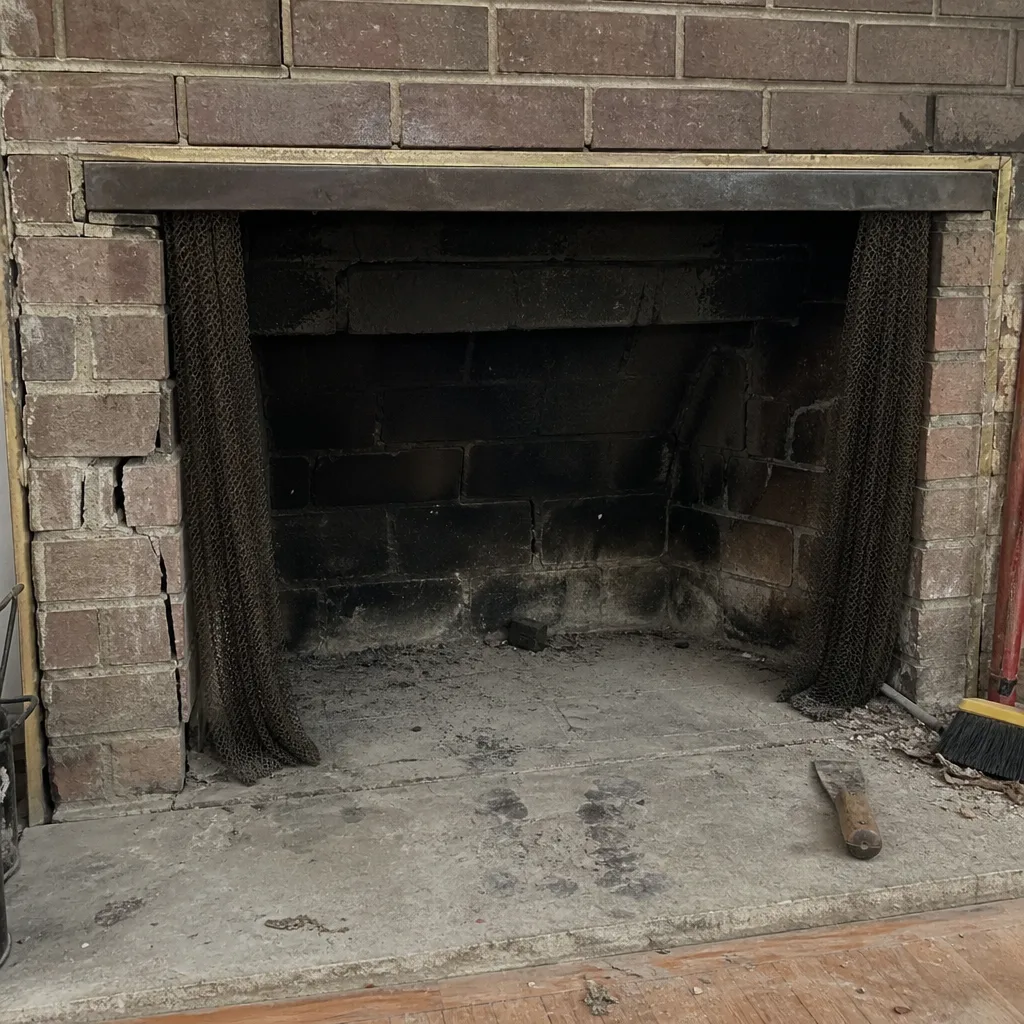 Before
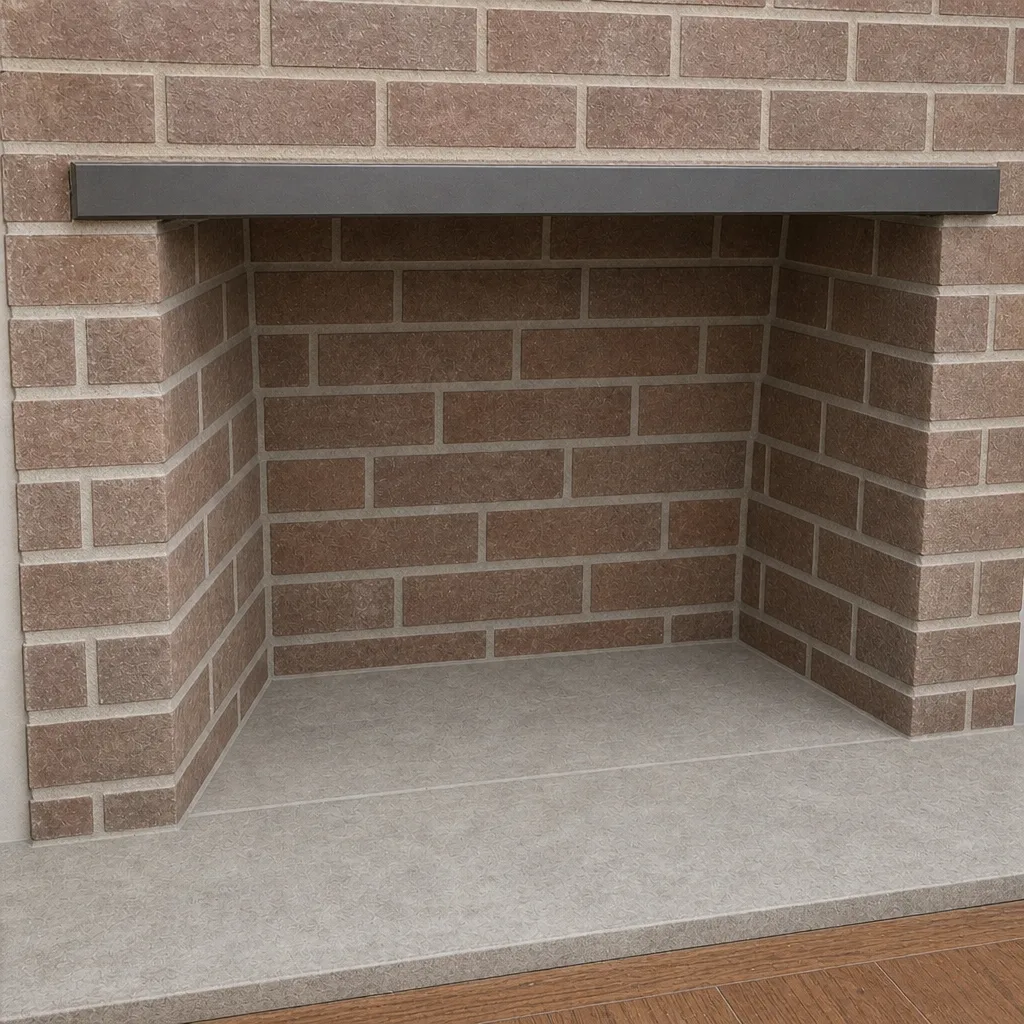 After
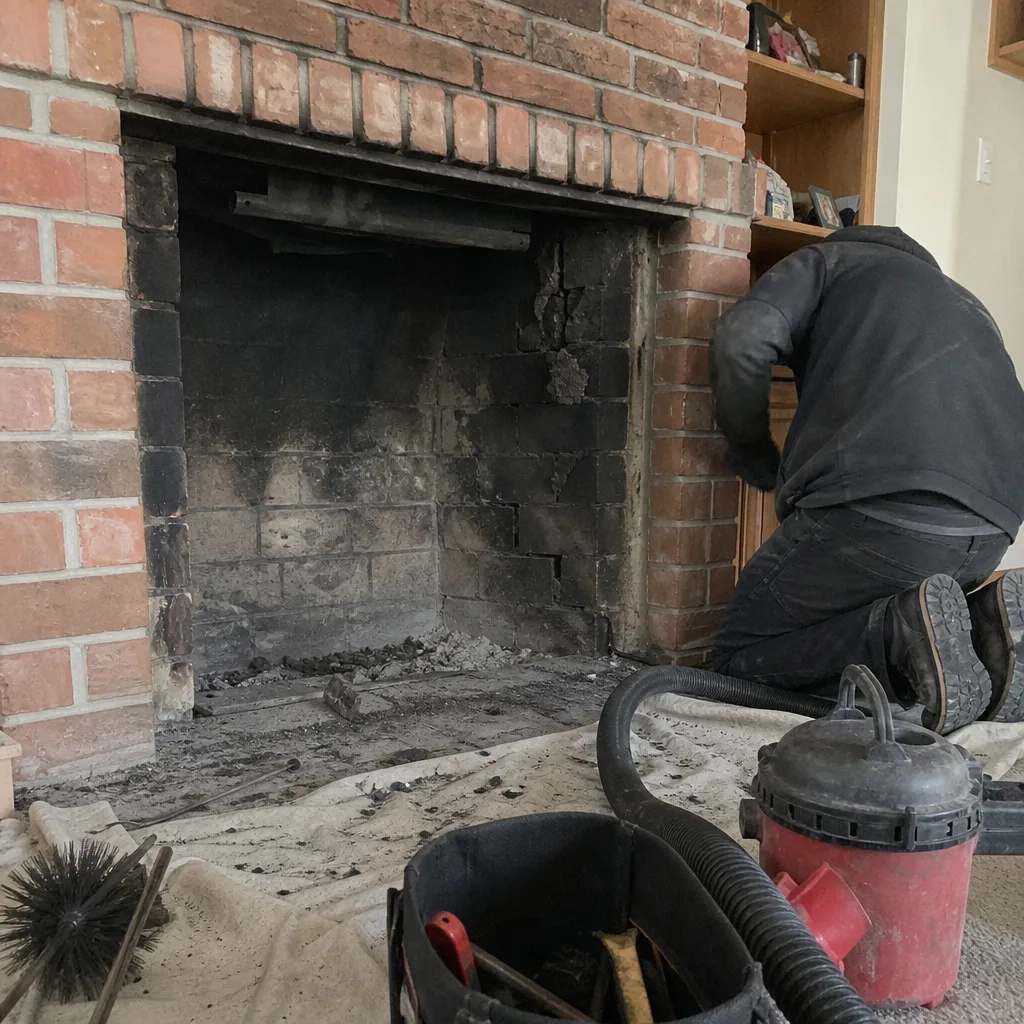 Before
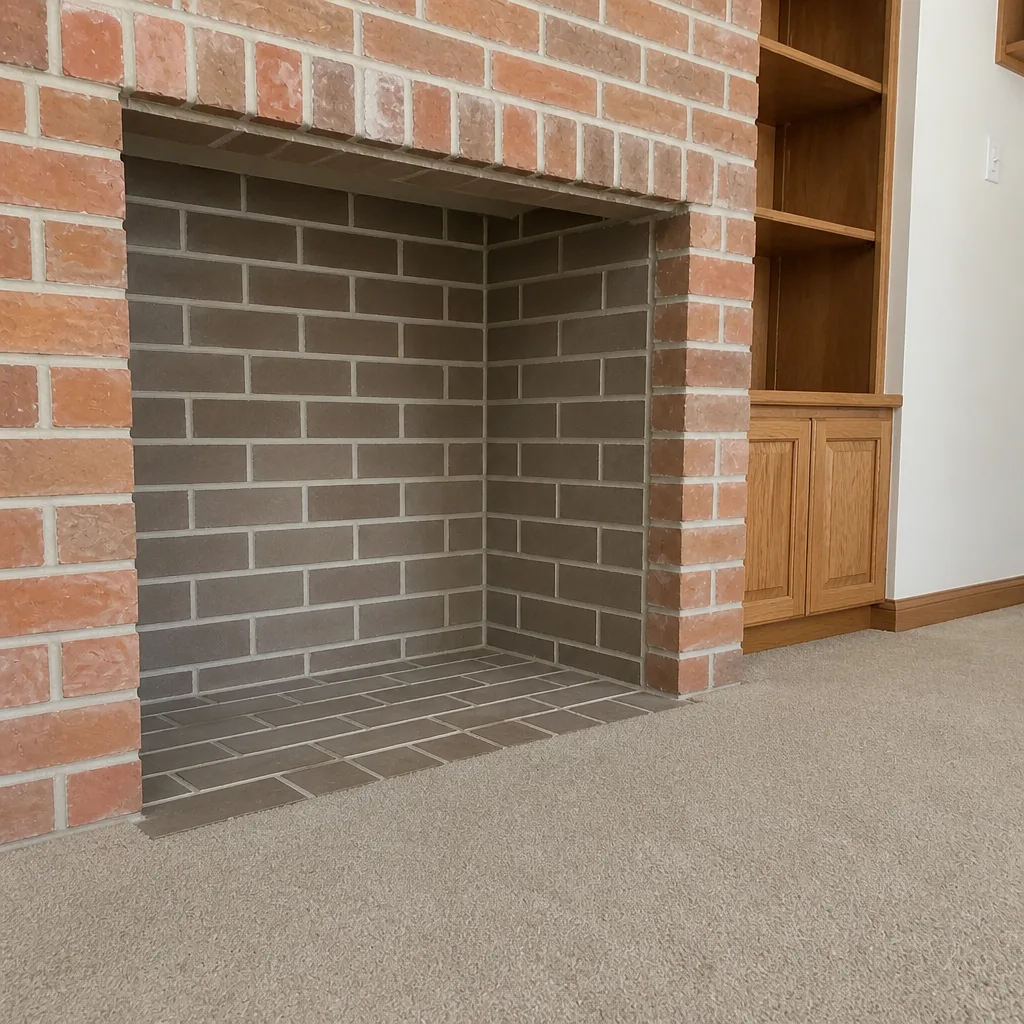 After
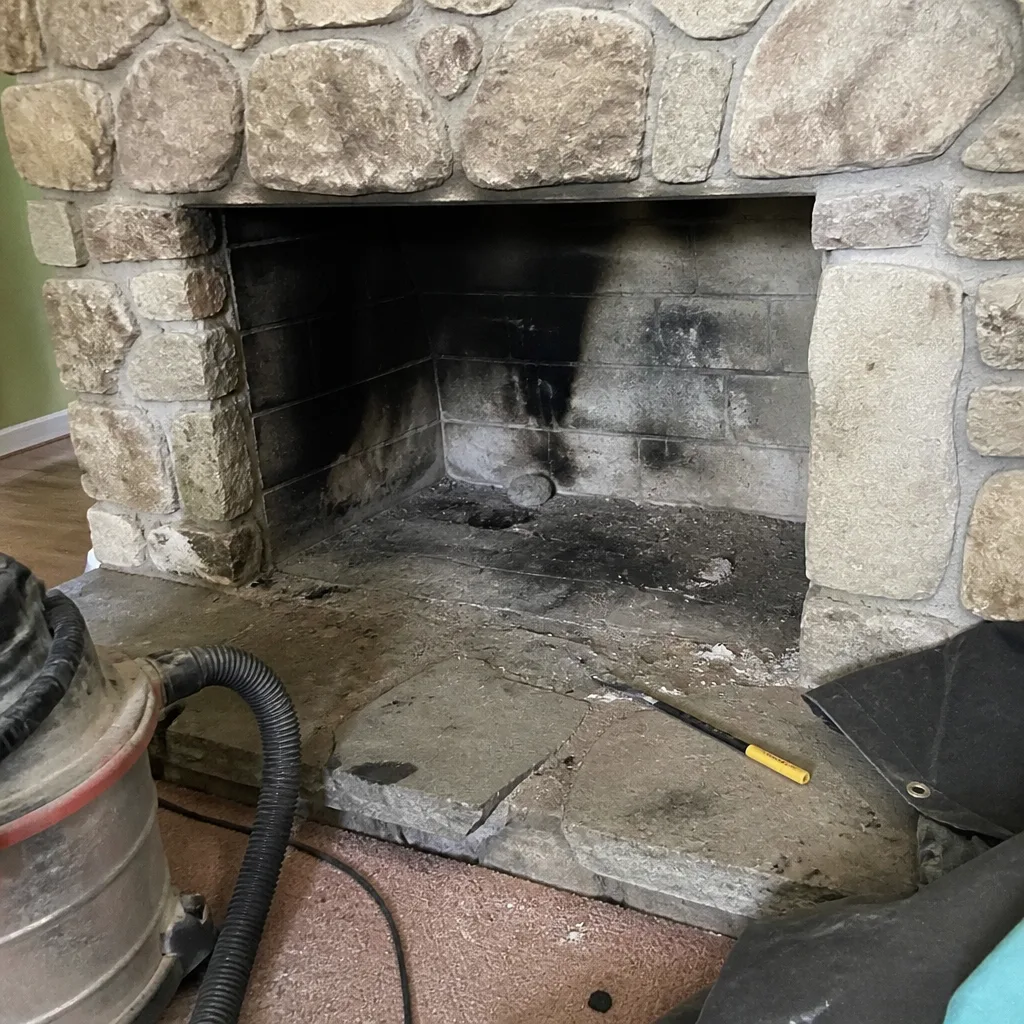 Before
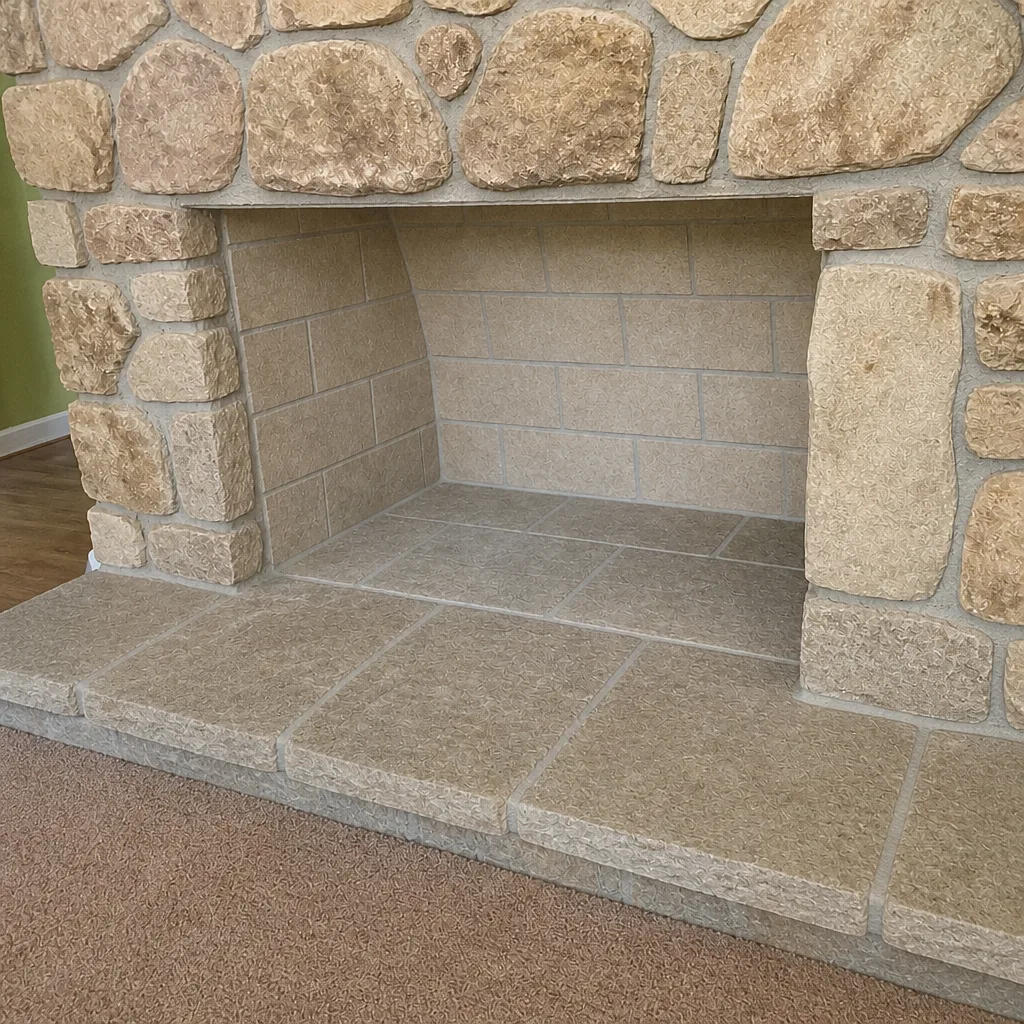 After
Frequently Asked Questions
Most Tooele chimneys should be swept and inspected once a year, but the real trigger is usage rather than the calendar. If you’ve burned more than one cord since the last sweep, used any green or unseasoned wood, or noticed a change in draft, the chimney is due regardless of what month it is. Gas fireplaces follow a similar annual inspection rhythm. Call (877) 792-7216 for a free estimate.
You can safely inspect the firebox opening, the damper, the smoke shelf, and the cap and crown from the ground with binoculars. Those are the observations this guide is built around, and they give you real signal about when to book a sweep. What you can’t safely do is inspect the flue interior, climb the roof, or work inside the firebox or flue. Creosote is flammable, and the flue is a job for a trained technician with camera equipment. Call (877) 792-7216 for an inspection.
A failing cap shows rust staining, a leaning or sagging look, or a torn or missing spark screen. A failing crown shows cracks wider than a hairline, chunks missing, or the white chalky staining called efflorescence on the exterior brick below it. Any of those findings should trigger a call, especially after a Tooele winter. Call (877) 792-7216 for a free estimate.
A draft change means something has changed in the flue or at the top of the chimney. Creosote buildup, a partially blocked flue, a damaged cap or crown, or a problem with the damper can all change the draw. Don’t guess. Book an inspection and let the camera show you what’s happening inside the flue. Call (877) 792-7216 to get it scheduled.
You still need an annual inspection, even if the cord volume is low. A light-burning fireplace is unlikely to need a full sweep every year, but inspection catches the issues that burn frequency doesn’t tell you about: a cracked firebox, a failing damper, water infiltration at the crown, or debris in the flue. Low usage justifies a lighter service, not skipping it. Call (877) 792-7216 to book the inspection.
Have your burn log ready, with the last sweep date, estimated cord volume, any green or wet wood loads, and any draft changes you noticed. Also note the post-inversion observations for the season. The technician will use the log alongside their own camera inspection to decide what the flue actually needs. If you don’t have a log, that’s fine; the inspection fills in the gaps. Call (877) 792-7216 for a free estimate.
The Bottom Line
A chimney maintenance checklist is only useful if the homeowner can actually act on it. The reusable pieces of this guide are simple: measure your wood before you burn it, track your cord volume, watch the firebox for the visible warning signs, inspect the cap and crown from the ground with binoculars after every winter, and keep a burn log so every professional visit starts with real information. Those are the observations you can make. Everything that involves the flue interior, the firebox itself, the cap and crown installation, or real repair is the technician’s job. Our technicians have up to 12 years of experience across the full chimney system. From sweep to cap, it’s one specialist. Call (877) 792-7216 for a free estimate. We answer 24/7. Fast dispatch from 7am to 7pm, Sunday through Friday.
Written by the team at Chimney Sweep Tooele.